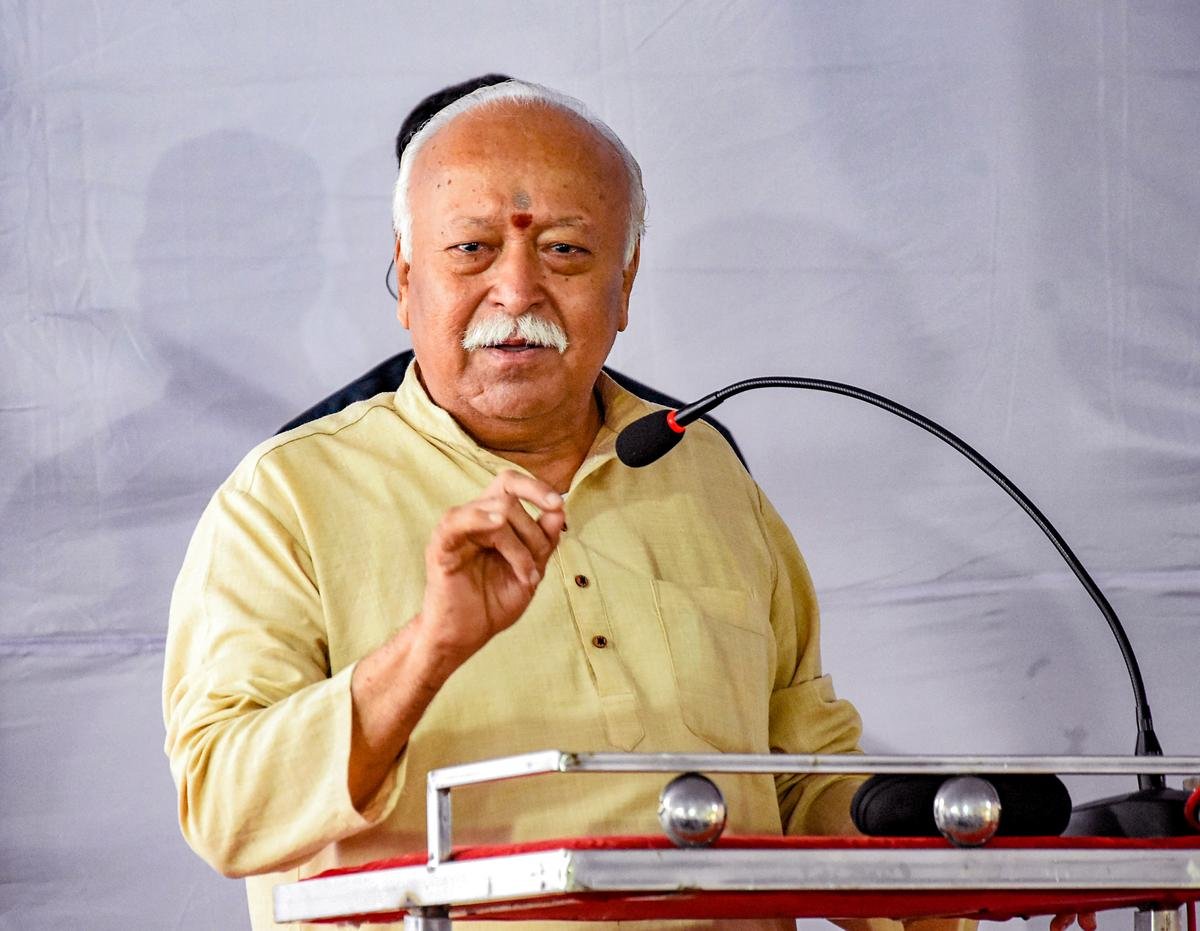
Bhagwat said efforts are underway to “bridge minds” between conflicting groups in Manipur, citing dialogue-based reconciliation used in other northeastern states.
BY PC Bureau
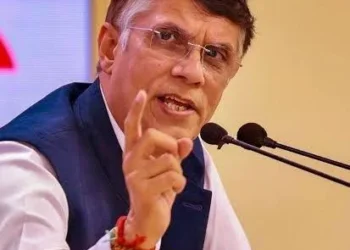
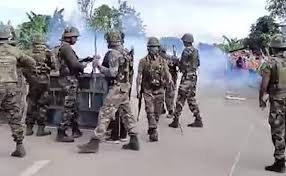
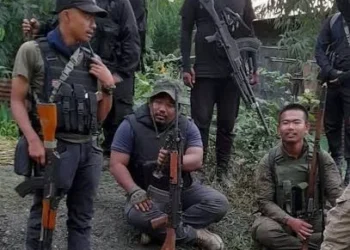
New Delhi, December 22, 2025: Rashtriya Swayamsevak Sangh (RSS) chief Mohan Bhagwat has stressed the need for patience, sustained dialogue, and trust-building to restore peace in Manipur, which has been gripped by ethnic violence since May 2023.
Addressing an event in Kolkata to mark the RSS centenary, Bhagwat described the situation in the state as a “law-and-order challenge” that is “abating slowly” and could stabilise within a year.
He, however, cautioned that rebuilding trust between communities would take longer, underscoring the need to “bridge minds” through dialogue. Drawing parallels with reconciliation efforts in other northeastern states such as Arunachal Pradesh, Meghalaya, and Nagaland, Bhagwat said similar approaches could eventually yield results in Manipur.
Visit confined to Imphal
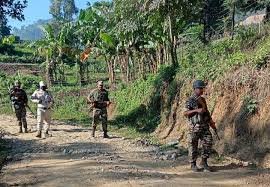
A closer look at Bhagwat’s three-day visit to Manipur from November 20 to 22 — his first since clashes between the Meitei and Kuki-Zo communities left over 260 people dead and displaced thousands — shows that his engagements were confined entirely to the Imphal Valley. He did not visit any Kuki-Zo-dominated hill districts or relief camps housing displaced families.
While Bhagwat claimed to have met “tribal leaders, social organisations, and youth representatives across the state,” available reports indicate that these interactions took place in Imphal and involved select tribal figures who travelled to the capital. There is no public record of meetings with affected Kuki-Zo organisations or victims of the violence.
READ: US Restores Trump Photo in Epstein Files After Backlash
READ: Sonia Gandhi Flags ‘Silent Dismantling’ of MGNREGA
Programme details
Bhagwat arrived in Imphal on November 20 from Guwahati and was received by senior RSS leaders. On the first day, he attended a programme at Konjeng Leikai in Imphal, where he interacted with entrepreneurs and prominent citizens.
On November 21, his schedule included meetings with tribal leaders from the hills, youth leaders, and prominent citizens — all held in Imphal. Sources confirmed that he did not travel to hill districts such as Churachandpur or Kangpokpi, which have been among the worst affected by the violence.
RSS functionaries have said visits to conflict-hit areas or relief camps were not part of the itinerary, a decision that has drawn scrutiny for limiting direct engagement with displaced communities who have been living in camps for more than two years.
Questions over tribal outreach
Bhagwat’s Kolkata’s remarks referred broadly to meetings with “tribal leaders” and “social organisations” as steps toward reconciliation. However, reports do not specify which tribal groups or organisations were represented. There has been no confirmation of interactions with prominent Kuki-Zo bodies such as the Indigenous Tribal Leaders’ Forum (ITLF), the Kuki National Organisation (KNO), or the United People’s Front (UPF).
While Manipur’s hills are home to multiple tribal communities, including Naga groups, there is no clear indication that Kuki-Zo representatives participated in the meetings. Critics note that holding interactions in Imphal rather than visiting hill areas may have constrained inclusive dialogue.
The Manipur Congress criticised the visit as ideologically driven rather than a genuine peace initiative, alleging that it prioritised RSS organisational interests over outreach to victims of the conflict. “Manipur needs healing, not polarisation,” Congress leaders said, pointing to the absence of engagement with displaced families and affected communities.
Bhagwat also highlighted the RSS’s organisational presence in the state, noting that it runs around 100 shakhas in Manipur. He reiterated that the RSS maintains organisational distance from the Bharatiya Janata Party (BJP), while acknowledging personal relationships with leaders including Prime Minister Narendra Modi and Home Minister Amit Shah.
Despite Bhagwat’s assertion that “the spirit is already there” for unity, observers argue that lasting reconciliation will require transparent, inclusive, and on-ground engagement that goes beyond meetings held in the valley. With ethnic tensions still simmering and sporadic incidents continuing, peace advocates stress that bridging the gap between rhetoric and reality remains Manipur’s most pressing challenge.