The Amnesty International chief said loss of electricity, water, and mobility could severely impact the right to life of millions of Iranians. Donald Trump had issued a blunt and expletive-filled ultimatum over the Strait of Hormuz, escalating tensions.
BY PC BUREAU
April 5, 2026: Agnès Callamard, Secretary General of Amnesty International, has sharply criticised U.S. President Donald Trump over his latest threats to strike Iranian civilian infrastructure, warning that ordinary civilians—not the government—would bear the heaviest cost.
In a strongly worded post on X, Callamard highlighted the humanitarian consequences of targeting essential services such as power plants and bridges. “No heat, no electricity, no water, no capacity to move or to flee — and all that it means for their right to life,” she wrote, describing Trump’s remarks as “a revolting statement.”
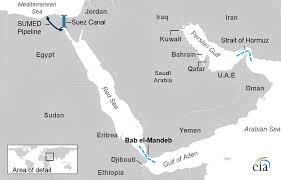
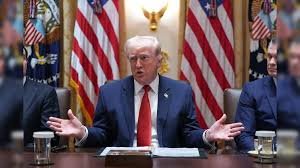
The criticism follows an incendiary post by Trump on Truth Social amid escalating tensions with Iran over control of the Strait of Hormuz, a vital global energy corridor. In the post, Trump issued a blunt ultimatum, declaring that Tuesday would be “Power Plant Day, and Bridge Day” in Iran, alongside an expletive-laden demand that Tehran reopen the strait or face severe consequences.
The language and tone of the message, which included direct insults and sarcastic religious references, have drawn widespread concern among international observers and rights groups. Critics argue that such rhetoric not only escalates tensions but also signals potential targeting of civilian infrastructure, which could have devastating humanitarian consequences.
READ: “Open the Fuckin’ Strait, You Crazy Bastards”: Trump to Iran
Trump’s comments are part of a broader pattern during the ongoing U.S.–Iran conflict, in which he has repeatedly threatened strikes on infrastructure including power grids, bridges, and industrial facilities. His administration has framed these warnings as necessary to counter Iran’s military actions and attempts to disrupt global energy supplies.
Running out of language to denounce and condemn. Iranian Civilians will be the first to suffer from the destruction of power plants and bridges. No heat, no electricity, no water, no capacity to move or to flee, and all that it means for their right to life. A revolting statement pic.twitter.com/SWMqREbjG9
— Agnes Callamard (@AgnesCallamard) April 5, 2026
However, rights organisations including Amnesty International caution that attacks on such targets risk violating international humanitarian law. Destroying critical infrastructure could trigger widespread blackouts, water shortages, and the collapse of essential services, particularly in urban areas, directly impacting millions of civilians.
Callamard’s intervention reflects growing international alarm over the potential human cost of further escalation. By combining military threats with inflammatory rhetoric, analysts say, the situation risks moving beyond strategic confrontation into a scenario where civilian populations could face severe and immediate consequences.
As tensions continue to rise, the debate is increasingly shifting from military objectives to humanitarian risks, with global attention focused on whether the conflict could cross legal and moral red lines.