With Ola, Uber, and Rapido drivers on a nationwide strike, commuters are bracing for delays, higher waiting times and possible surge pricing, underlining the growing tensions in India’s platform economy.
BY PC Bureau
New Delhi | February 7, 2026 — Commuters across India are likely to face travel disruptions on Saturday as drivers working with ride-hailing platforms Ola, Uber, and Rapido observe a coordinated nationwide strike, demanding fare regulation and stricter controls on commercial operations using private vehicles.
Dubbed the ‘All India Breakdown’, the protest will see thousands of app-based drivers log out of their platforms for at least six hours, affecting cab services, auto-rickshaws, and bike taxis across major cities and towns.
Who Called the Strike?
The strike has been called by the Telangana Gig and Platform Workers Union (TGPWU), with support from multiple labour organisations and driver collectives across the country.
The union says the protest is aimed at challenging unfair pricing practices and weak regulatory enforcement, arguing that ride-hailing aggregators continue to set fares arbitrarily despite the existence of the Motor Vehicle Aggregator Guidelines, 2025.
In a statement, the union said:
“No minimum fares. No regulation. Endless exploitation. Millions of app-based drivers are being pushed into poverty while aggregators rake in profits. Government silence has enabled platform impunity.”
READ: Echoes of May 3, 2023 as Mass Protests Sweep Manipur’s Hill Districts
READ: Analysis: Historic FNTA Accord Brings Hope to Eastern Nagaland
Why Are Drivers Protesting?
According to the union, ride-hailing platforms continue to fix fares unilaterally, creating income instability and worsening working conditions for drivers who rely solely on gig work for survival.
Despite the notification of the Motor Vehicle Aggregator Guidelines, 2025, drivers allege that meaningful regulatory oversight remains absent.
“Platforms still decide fares arbitrarily. Our demands are simple — notify minimum base fares and end the misuse of private vehicles for commercial transport,” the union said in another statement.
🚨 Uber, Rapido and Ola drivers to go on nationwide strike today, demanding minimum base fare.
The drivers have complained that aggregator companies continue to unilaterally fix fares, pushing workers into unsustainable working conditions and forcing longer working hours for… pic.twitter.com/oDdKquY69k
— Newsmatter (@NewsmatterIndia) February 7, 2026
The Two Core Demands
The striking drivers have placed two key demands before the government:
- Minimum Base Fare Notification
Immediate notification of minimum base fares for autos, cabs, bike taxis, and other aggregator-based transport services. The union says fares should be finalised in consultation with recognised driver unions and aligned with the Motor Vehicle Aggregator Guidelines, 2025, to ensure income security and prevent predatory pricing. - Ban on Private Vehicles for Commercial Use
Strict enforcement of a ban on non-commercial private vehicles being used for commercial passenger and goods transport, a practice drivers say has led to market saturation, falling incomes, and unfair competition.
Part of a Wider Wave of Gig Worker Protests
The February 7 strike is part of a broader national churn in the gig economy, with workers across delivery, ride-hailing, and quick-commerce platforms increasingly protesting low payouts, algorithm-driven work pressure, and lack of social security.
In December 2025, food delivery and quick-commerce workers staged large-scale demonstrations, including during peak business days, demanding better pay structures and safer working conditions.
Concerns around gig employment were also flagged in the Economic Survey 2025–26, released on January 30, which highlighted the rapid expansion of the gig economy but warned of serious gaps in worker protection, income stability, and regulatory oversight.
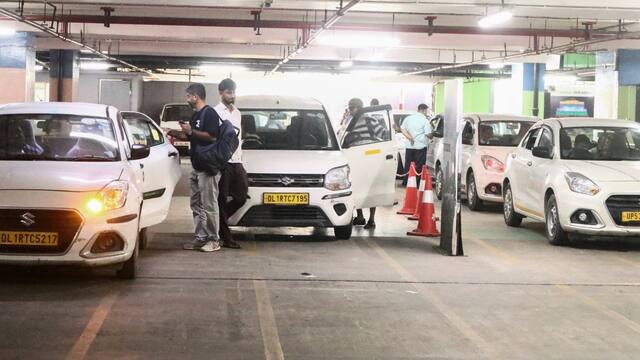
Passengers in major urban centres should expect reduced availability of cabs, autos, and bike taxis, higher waiting times, and possible surge pricing during peak hours. Authorities have advised commuters to plan travel in advance and consider public transport options where available.