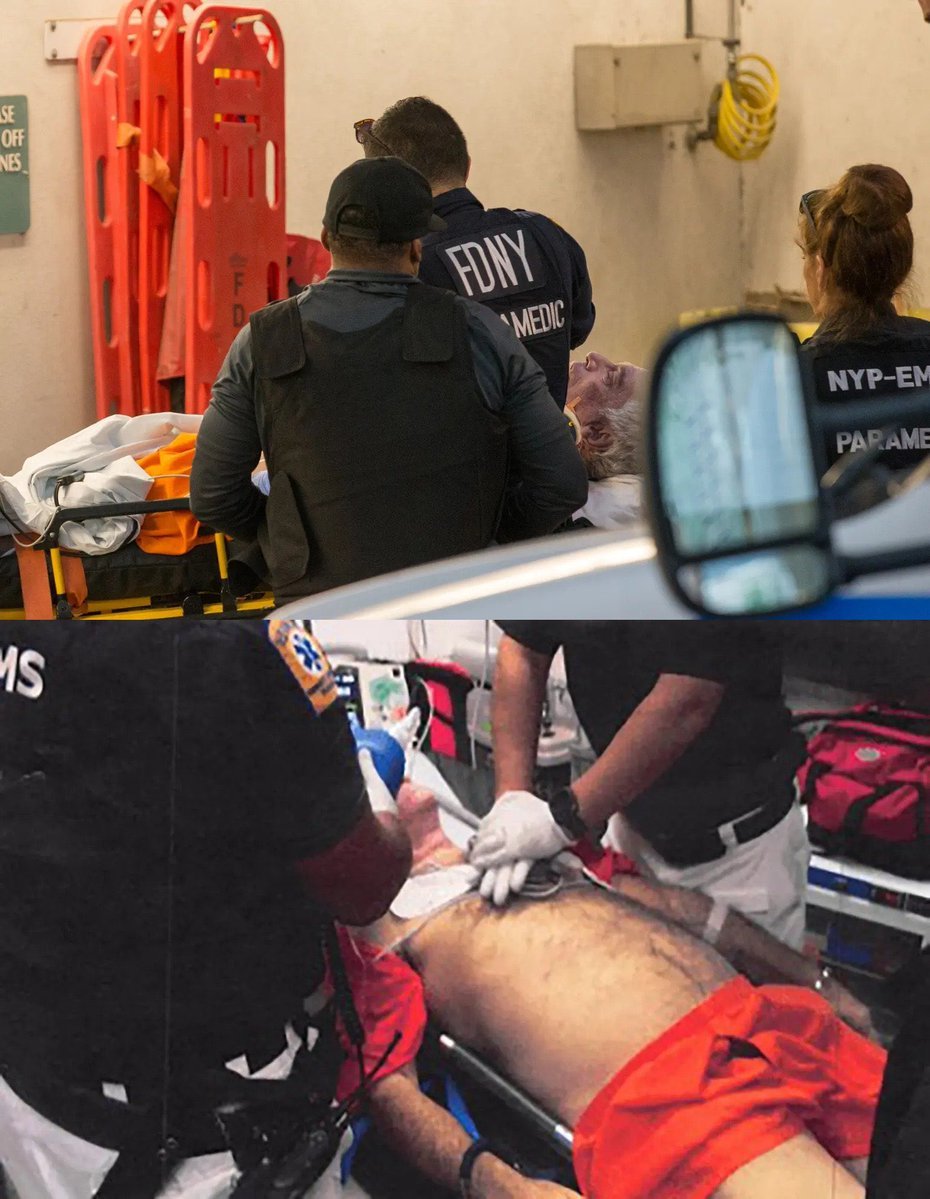
Six years after Epstein was found dead in a Manhattan prison, his brother is demanding answers from US authorities, alleging that crucial questions surrounding the circumstances of his death remain unresolved.
BY PC Bureau
November 18: Six years after convicted sex offender Jeffrey Epstein was found dead in a Manhattan prison cell, his brother Mark Epstein is demanding an independent investigation into the circumstances of his death. The demand has gained fresh momentum following the release of previously unpublished post-mortem photographs and a forensic assessment that questions the official suicide ruling.
Mark Epstein has renewed his call for authorities to investigate his brother’s death as a possible homicide, questioning whether the original investigation adequately addressed the injuries documented during the autopsy and whether important evidence was overlooked.
The latest development follows an examination of the post-mortem photographs and medical records by Dr Michael Freeman, a forensic medicine expert. Freeman argues that the injuries visible on Epstein’s neck and other parts of his body are more consistent with strangulation than suicide by hanging.
His assessment has brought renewed attention to the circumstances surrounding Epstein’s death on August 10, 2019, at the Metropolitan Correctional Center in New York, where he was awaiting trial on federal sex-trafficking charges.
Jeffrey Epstein’s brother just released graphic postmortem photos, and he’s demanding a MURDER investigation!!
According to forensic expert Dr. Michael Freeman, Epstein’s injuries point to strangulation, NOT suicide.
He says marks on Epstein’s neck, possible fingernail scratches, and other injuries suggest someone may have attacked him.
Mark Epstein is asking who killed his brother and whether the Justice Department is covering it up…
But NYC’s medical examiner still stands by the official 2019 ruling of suicide.
I wonder if we’ll ever know what really happened inside that jail cell…
Source: NY Post / Writer: Lynn
— AfrikTimes (@afriktimesint) November 18, 2026
Brother questions official account
Mark Epstein has questioned how his brother sustained the injuries recorded in the autopsy and why the authorities have continued to maintain that he died by suicide.
He is seeking an independent examination of the evidence and wants investigators to establish whether another person was involved in the death. He has also raised questions about the Justice Department’s handling of the case and whether all relevant information has been made public.
The newly released photographs were examined by Freeman, who identified what he believes could be signs of strangulation, possible fingernail marks and other injuries suggesting a physical confrontation.
Freeman has argued that the pattern of injuries warrants a fresh investigation rather than continued reliance on the original conclusion.
However, his findings remain an independent forensic interpretation and have not been accepted as an official determination of homicide.
Forensic expert challenges suicide finding
A central element of Freeman’s assessment concerns the marks around Epstein’s neck. He has questioned whether their position and appearance are consistent with the ligature injuries normally associated with suicidal hanging.
He has also pointed to possible blunt-force injuries and soft-tissue haemorrhages, arguing that these could indicate an assault before death.
Freeman’s assessment draws on autopsy photographs, medical records and biomechanical analysis. He did not personally examine Epstein’s body.
His conclusions revive questions previously raised by forensic pathologist Dr Michael Baden, who observed the original autopsy and later questioned whether the neck fractures documented during the examination were consistent with suicide.
READ: Anthropic’s IPO set to shatter all records, raising over $81 billion
Medical examiner maintains original ruling
The New York City Office of Chief Medical Examiner continues to stand by its 2019 determination that Epstein died by suicide through hanging.
The autopsy documented fractures in structures of the neck, including the thyroid cartilage and the left horn of the hyoid bone. It also recorded haemorrhages and other injuries.
The medical examiner concluded that the overall findings were consistent with hanging and classified the death as suicide. The office has not announced any revision of that determination following Freeman’s assessment.
Prison failures added to the controversy
An investigation by the Justice Department’s Office of Inspector General, published in June 2023, documented serious security failures at the Metropolitan Correctional Center.
Epstein had been left alone in his cell after his cellmate was transferred. Prison officers failed to carry out mandatory security rounds and inmate counts, while some records were falsified to suggest that the checks had taken place.
Several surveillance cameras were also not functioning properly.
Despite documenting these failures, the Inspector General found no evidence contradicting the FBI’s conclusion that there was no criminality associated with Epstein’s death. Investigators found no evidence that another person had entered the relevant secured housing area during the period under examination.
Epstein’s death has continued to attract international attention because of his connections with powerful political, business and social figures and the allegations of sexual exploitation involving underage girls.
His death before trial left major questions about the full extent of his activities and the possible involvement of other individuals.
Mark Epstein’s latest demand puts the focus back on whether the authorities are prepared to subject the original investigation to independent scrutiny. For now, however, the official finding remains unchanged: Jeffrey Epstein died by suicide.