Pentagon Officials are reportedly exploring options to divert weapons from other regions or ramp up production. Analysts warn the surge could impact US readiness for future conflicts, particularly in other strategic theater
BY PC Bureau
March 27, 2026 — The United States’ heavy use of Tomahawk cruise missiles in its ongoing conflict with Iran is raising concerns within defense circles, with officials warning that stockpiles in the region may be running dangerously low.
According to officials cited in recent reports, the US has fired more than 850 Tomahawk missiles over the past four weeks—an unusually high rate for a weapon that is produced in limited numbers each year. The pace of usage has triggered internal discussions within the Pentagon over how to sustain supply if the conflict continues.
Tomahawk missiles are both costly and time-intensive to produce. Each unit is estimated to cost around $3.6 million and can take up to two years to manufacture. Compounding the issue, last year’s defense budget reportedly accounted for just 57 new missiles, highlighting a gap between production capacity and current battlefield consumption.
Some officials have described the number of available Tomahawks in the Middle East as “alarmingly low,” warning that, without intervention, deployed stocks could be depleted in the near term. Discussions are reportedly underway on whether to divert missiles from other global theaters or accelerate production through defense contractors.
The US has fired 850+ Tomahawk missiles in 4 weeks against Iran, raising Pentagon concerns about rapidly depleting stockpiles.
Source: WaPo pic.twitter.com/Brdne5HkS8
— Clash Report (@clashreport) March 27, 2026
Despite these concerns, US officials have publicly downplayed the situation. Pentagon spokesperson Sean Parnell stated that the military “has everything it needs to execute any mission” as directed by the president, dismissing suggestions of shortages as exaggerated. White House Press Secretary Karoline Leavitt similarly insisted that US forces retain sufficient stockpiles to meet operational goals.
READ: Poppy War: Kuki Volunteers Torch Naga Poppy Fields in Ukhrul
However, analysts caution that the current rate of expenditure could have broader strategic implications. Mark Cancian of the Center for Strategic and International Studies noted that using more than 800 Tomahawks in a single campaign could leave gaps in preparedness for other potential conflicts, particularly in the Indo-Pacific region. Replenishing such stockpiles, he said, could take several years.
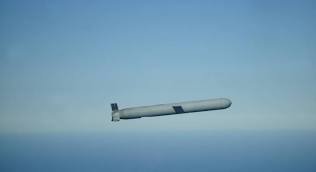
First introduced during the Gulf War, Tomahawk missiles have long been a cornerstone of US military operations. Capable of striking targets over 1,000 miles away and launched from ships and submarines, they allow precision attacks without exposing pilots to heavily defended airspace.
As the conflict continues, the balance between operational intensity and long-term readiness is emerging as a critical challenge for US military planners.