The move has intensified divisions within NATO, with major European powers reluctant to send forces into an active war zone without a clear mandate or exit strategy.
BY PC Bureau
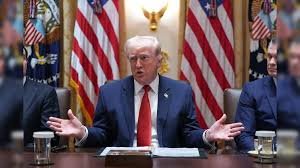
April 1, 2026 — US President Donald Trump has threatened to halt American weapons supplies to Ukraine unless European allies join a US-led coalition to secure the strategically vital Strait of Hormuz, according to a report published Wednesday.
The move marks a sharp escalation in tensions within the transatlantic alliance, as the United States presses NATO partners to support military efforts linked to the ongoing conflict with Iran.
According to the report, Trump has tied continued US military support for Kyiv to European participation in a naval mission aimed at reopening the Strait of Hormuz, which Iran has effectively shut down amid the conflict.
The linkage reflects a transactional approach: European nations seeking sustained US weapons flows for Ukraine would be expected to contribute forces to secure a critical global energy chokepoint.
Ukraine has relied heavily on US support to sustain its defence against Russia, making any potential disruption to aid flows a significant concern for Kyiv and its allies.
BREAKING
FT writes Trump has warned Europe that the USA will halt deliveries of $4.5 bn worth of USA-produced weapons for Ukraine paid for by Europe, Canada, Australia & New Zealand under the PURL program unless Europe takes part in a military mission to reopen the Hormuz Strait pic.twitter.com/ipA3TpwEiP
— Visegrád 24 (@visegrad24) April 1, 2026
Hormuz Crisis and Global Impact
The Strait of Hormuz — a narrow passage connecting the Persian Gulf to the Gulf of Oman — handles roughly a fifth of the world’s oil and liquefied natural gas shipments. Its disruption has already triggered sharp increases in global energy prices and heightened market volatility.
The current crisis follows US and Israeli strikes on Iranian targets beginning February 28, which triggered retaliatory actions by Tehran, including the deployment of mines, drones, and missiles in and around the waterway.
Washington has since called for an international naval coalition to escort tankers and ensure safe passage. Trump has described the effort as limited in scope but critical for countries dependent on Middle Eastern energy supplies.
European Resistance
Several key European NATO members, including Germany, France, Spain, and Italy, have resisted calls to join the operation, citing concerns about escalation and the absence of a clear mandate or endgame.
Officials across Europe have signalled reluctance to commit naval forces to an active conflict zone, with some arguing that the crisis does not directly constitute a European war.
The standoff has exposed divisions within NATO, with Trump publicly criticising allies for what he describes as an unequal sharing of security burdens. He has also raised broader questions about the future of US commitments to the alliance.
Alliance Strains and Strategic Risks
NATO Secretary-General Mark Rutte has expressed confidence that a compromise can be reached, though no concrete plan has yet emerged.
Analysts warn that any attempt to forcibly reopen the Strait of Hormuz could significantly escalate the conflict, risking further Iranian attacks on shipping and regional assets. Continued disruption also threatens to sustain high energy prices, with potential economic consequences worldwide.
For Ukraine, the situation introduces additional uncertainty. Elevated energy prices could benefit Russia’s export revenues, while any reduction in US military support would directly impact Kyiv’s war effort.
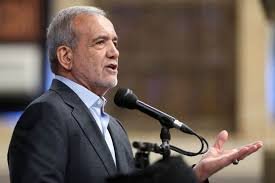
READ: Iran President Writes to US Public, Blames Washington Policy
A Developing Situation
As of now, no final decision has been announced on either the formation of a Hormuz coalition or a suspension of US aid to Ukraine. Diplomatic efforts remain ongoing, with high-stakes negotiations underway involving energy security, alliance cohesion, and the trajectory of both the Iran conflict and the war in Ukraine.
The episode underscores the growing complexity of global geopolitics, where interconnected crises are increasingly shaping strategic decisions across regions.