Up to 10,000 additional troops could be deployed to strengthen US leverage if negotiations falter. The buildup would add to Marines and 82nd Airborne Division forces already moving into the region.
BY PC Bureau
March 27, 2026: Amid President Donald Trump’s claim that peace talks with Iran are gaining traction, the Pentagon is weighing a major expansion of U.S. ground forces in the Middle East, including the possible deployment of up to 10,000 additional troops, according to officials familiar with the planning.
The proposed buildup would significantly reinforce the growing American military presence in the region, where thousands of troops have already been deployed in recent weeks as tensions with Iran intensify. Reports indicate that between 2,500 and 5,000 additional personnel, including Marines and naval units, have already been sent or are en route, underscoring the scale of the ongoing military mobilisation.
Defense officials said the latest proposal under consideration would likely include infantry and armored units, expanding the range of options available to the White House. The reinforcements would join roughly 5,000 Marines and thousands of paratroopers from the 82nd Airborne Division, forming a force capable of both deterrence and rapid offensive action.
BREAKING: The Pentagon is looking at sending up to 10,000 additional ground troops to the Middle East to give President Trump more military options even as he weighs peace talks with Tehran, Department of Defense officials with knowledge of the planning said.…
— Lara Seligman (@laraseligman) March 27, 2026
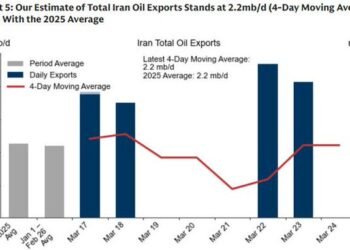
According to officials, the additional troops could be positioned at key locations across the region, placing them within operational reach of sensitive Iranian targets. Among those is Kharg Island, Tehran’s primary oil export hub, which has emerged as a strategic focal point in the conflict.
READ: Trump Extends Iran Deadline, Claims Tehran Sought More Time
The Pentagon has not publicly confirmed the plans, and officials stressed that any deployment remains under review. A final decision would rest with the president, in consultation with senior military commanders.
The deliberations reflect a dual-track strategy taking shape in Washington. Even as Trump publicly emphasizes diplomacy and has extended deadlines for potential strikes, the military is continuing to build a robust posture designed to sustain pressure on Tehran and prepare for a range of contingencies.
That approach mirrors a broader U.S. buildup underway since early 2026, described by analysts as one of the largest in the region in decades, involving air, naval and ground assets positioned for rapid escalation if required.
Officials say the objective is to maintain leverage at the negotiating table while ensuring readiness should talks collapse. But the scale of the potential deployment is also raising concerns about the risk of a wider conflict, particularly as hostilities continue across the region and multiple actors remain engaged.
For now, much remains uncertain—both about the trajectory of diplomacy and the extent to which the United States is prepared to escalate militarily if negotiations fail.