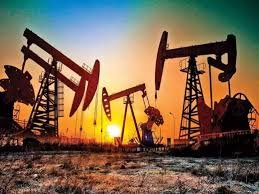
With nearly 90% of Iran’s crude flowing through Kharg, any US move risks retaliation and disruption across the Strait of Hormuz.
BY PC Bureau
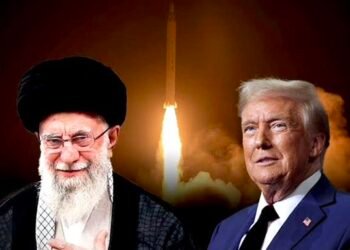
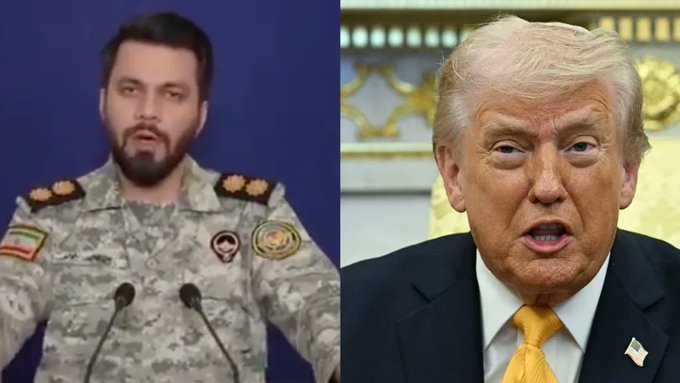
March 30,2026: Donald Trump has signalled that the United States could move to seize Iran’s oil assets—including the strategic Kharg Island—as the Middle East conflict entered its fifth week. In remarks to the Financial Times, Trump said his “preference” would be to “take the oil,” drawing a comparison with earlier US actions in Venezuela following the capture of leader Nicolás Maduro.
BREAKING
President Trump tells the FT:
— He wants to seize Iran’s oil: “To be honest with you, my favourite thing is to take the oil in Iran.”
— Specifically considering taking Kharg Island, Iran’s main oil export hub
— Compares it to Venezuela, saying the U.S. could control… pic.twitter.com/0e7OlL8ZfK
— Yashar Ali 🐘 (@yashar) March 30, 2026
Kharg in Focus
“To be honest, my favourite thing is to take the oil in Iran,” Trump said, dismissing critics at home. He suggested that such a move could involve capturing Kharg Island, Iran’s primary oil export hub. “Maybe we take Kharg Island, maybe we don’t. We have a lot of options… but it would mean staying there for some time,” he added.
The comments come as the conflict spills across Gulf states, heightening fears of attacks on energy infrastructure and pushing crude prices higher. A report by the The Washington Post said the Pentagon is preparing for a potentially prolonged ground engagement, with thousands of troops—including Marines and elements of the 82nd Airborne—being deployed.
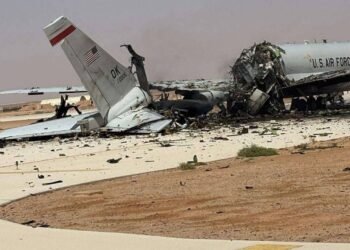
READ: Iran Claims Destroying US AWACS in Saudi Air Base Strike
Strategic Risks
Military analysts warn that any attempt to seize Kharg could prove costly. Located about 26 km off Iran’s coast and roughly 483 km from the Strait of Hormuz, the island handles nearly 90% of Iran’s oil exports. Control of the facility would give Washington significant leverage over Tehran’s economy—but could also expose US forces to sustained retaliation.
Experts caution that Iran could respond by mining surrounding waters or targeting shipping lanes, further disrupting already strained maritime traffic in the Gulf.
“More Targets”
Trump downplayed the risks, saying US forces could capture the island “very easily.” He also claimed indirect negotiations with Iran—reportedly facilitated by Pakistani intermediaries—were progressing, though he offered no specifics on a potential agreement over the Strait of Hormuz.
“We’ve got about 3,000 targets left… we’ve already hit 13,000,” he said, adding that a deal could come “fairly quickly.” He reiterated an April 6 deadline for Tehran to comply with US demands or face further strikes on energy infrastructure.
Claims of Concessions
Trump further alleged that Iran had allowed more Pakistan-flagged oil tankers to transit the Strait of Hormuz as a “gesture,” doubling the number from 10 to 20—claims that remain unverified. He attributed the move to Iranian parliamentary speaker Mohammad Bagher Ghalibaf.
The US president also claimed that Iran is undergoing a “regime change” following early strikes that reportedly killed senior leaders, including Supreme Leader Ali Khamenei. He further suggested that Khamenei’s son, Mojtaba Khamenei, may be dead or severely injured.
Tehran, however, has rejected these claims, insisting that its leadership structure remains intact and that Mojtaba Khamenei is safe despite his absence from public view. In a written message to people of Iran, Khamenei “expressed his appreciation to the supreme religious authority (in Iraq) and the people of Iraq for their clear stance against aggression against Iran and their support for our country”, the ISNA news agency said. he was , referring to the Iraq-based Grand Ayatollah Ali Sistani, one of the most revered figures in Shia Islam.