The White House has yet to confirm Trump’s claim that oil tankers passing through the Strait of Hormuz were part of a goodwill gesture.
BY PC Bureau
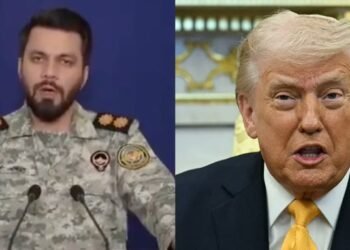
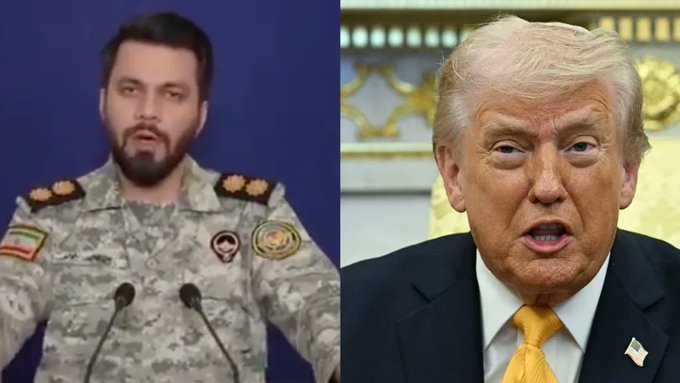
March 27, 2027: US President Donald Trump said he has extended his deadline for Iran to reach an agreement with Washington or face further strikes, claiming the move came at Tehran’s request—even as Iranian officials dismissed a US proposal as “one-sided and unfair.”
Speaking to Fox News, Trump said Iran had asked for a seven-day pause in US attacks on its energy infrastructure. He said he instead granted a ten-day extension, pushing the new deadline to April 6.
“They said, very nicely, through my people, ‘Could we have more time?’” Trump said. “They asked for seven days, and I gave them ten.”
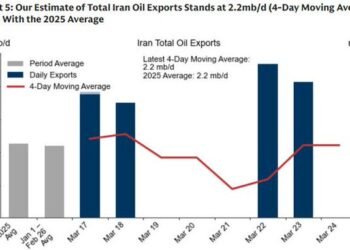
Trump added that his decision was influenced by what he described as a “gesture” from Tehran: allowing several oil tankers to pass through the Strait of Hormuz. He portrayed the move as a goodwill signal during ongoing negotiations.
President Trump extends Iran deadline to Monday, April 6 at 8PM ET to allow time for negotiations. pic.twitter.com/usY3Ms4VP4
— Politics & Poll Tracker 📡 (@PollTracker2024) March 26, 2026
“We talked about the ships—the present I mentioned the other day,” he said. “They asked for seven, and I gave them ten. They were very thankful.”
However, details surrounding the claim remain unclear. The White House has not confirmed specifics about the vessels, their cargo, or any formal arrangement. Trump suggested the ships were foreign-flagged, possibly Pakistani, but offered no further evidence.
In a post on Truth Social, Trump reiterated that the pause on strikes would now run until 8 p.m. Eastern Time on April 6, framing it as part of ongoing diplomacy.
“Talks are ongoing and… are going very well,” he wrote, while criticizing media reports suggesting otherwise.
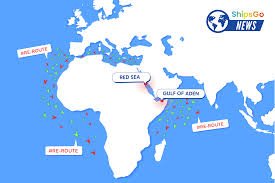
READ: Another Hormuz in the Offing: Houthis Gearing Up to Strike Red Sea Shipping Lanes
The shifting timeline—first a short reprieve, now a longer pause—highlights the fluid nature of the crisis and Trump’s push for a negotiated truce. At the same time, the US has deployed thousands of additional troops to the Middle East, raising concerns about a possible escalation, including a ground operation.
Diplomatic efforts appear to be unfolding through multiple channels. Pakistan has indicated it is relaying messages between Washington and Tehran, while countries such as Turkey and Egypt are also supporting mediation.
Iran, however, has hardened its position since the conflict began. According to regional sources, Tehran is demanding guarantees against future US military action, compensation for wartime losses, and greater control over key maritime routes. It has also insisted that Lebanon be included in any broader ceasefire framework.
It remains unclear which Iranian officials are directly engaged in the talks, particularly after heavy losses among senior leadership during the ongoing conflict.