After weeks of eerie calm, Kangpokpi is poised to erupt, with civil bodies mobilising thousands to challenge the political legitimacy of Nemcha Kipgen’s decision to join the Manipur cabinet.
BY PC Bureau
February 6, 2026: Next week, Kangpokpi is set to witness a direct political confrontation — one that local leaders describe as Nemcha Kipgen versus the people of her own constituency.
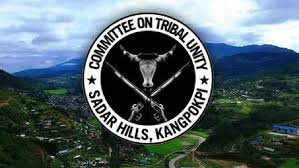
Leading Kuki-Zo civil society organisations (CSOs), under the banner of the Committee on Tribal Unity (CoTU), on Thursday announced a massive district-wide protest rally against the inclusion of Kuki-Zo MLAs — including local BJP legislator and Deputy Chief Minister Nemcha Kipgen — in the newly formed Manipur government.
The decision followed a high-level CoTU meeting attended by representatives of major tribal bodies, student organisations, women’s groups, and village authorities, who resolved to mobilise Kangpokpi in what they termed a “decisive political statement” against participation in a government they reject.
“The entry of our MLAs into this government is a betrayal of the collective mandate of the Kuki-Zo people,” a CoTU leader said. “Until our core political demands are constitutionally guaranteed, we reject any participation in the Manipur government.”
READ: Fear Over Fury: Why Nemcha Kipgen’s Hometown Defied Manipur’s Protest Wave
READ: Amid Protests, Kuki-Zo Hills to Imphal: ‘Your Govt Is Not Ours’
A Political Test Like No Other
The planned rally is being widely viewed as a watershed moment — a test not only of the strength and unity of Kuki-Zo civil society in Kangpokpi, but also of the enormous influence wielded by Semtinthang Kipgen, chairman of the United People’s Front (UPF) and leader of the Kuki National Front–Presidential (KNF-P).
Seminthang Kipgen, husband of Deputy Chief Minister Nemcha Kipgen, heads the UPF, an umbrella organisation of seven to eight armed groups under the Suspension of Operations (SoO) agreement with the Centre. Collectively, the UPF commands more than 1,000 armed cadres and exercises deep operational control across Kangpokpi and adjoining hill districts.
For weeks, Kangpokpi remained conspicuously calm even as massive protests, shutdowns, and clashes swept across Churachandpur, Pherzawl, Tengnoupal, Saikul, and parts of Chandel against the three Kuki-Zo MLAs joining the cabinet.
That silence, civil society leaders insist, did not reflect acceptance — but fear.
“The coming rally will test whether civil society can reclaim democratic space in a district long dominated by armed authority,” said a senior Kuki activist. “This is a confrontation between people’s power and shadow power.”
Nemcha Kipgen at the Centre of Public Fury
Nemcha Kipgen’s elevation as Deputy Chief Minister has placed her at the heart of intense political anger across Kuki-Zo areas. Many in the community accuse her of legitimising a government they reject and weakening the collective struggle for a separate administration or Union Territory for the hills.
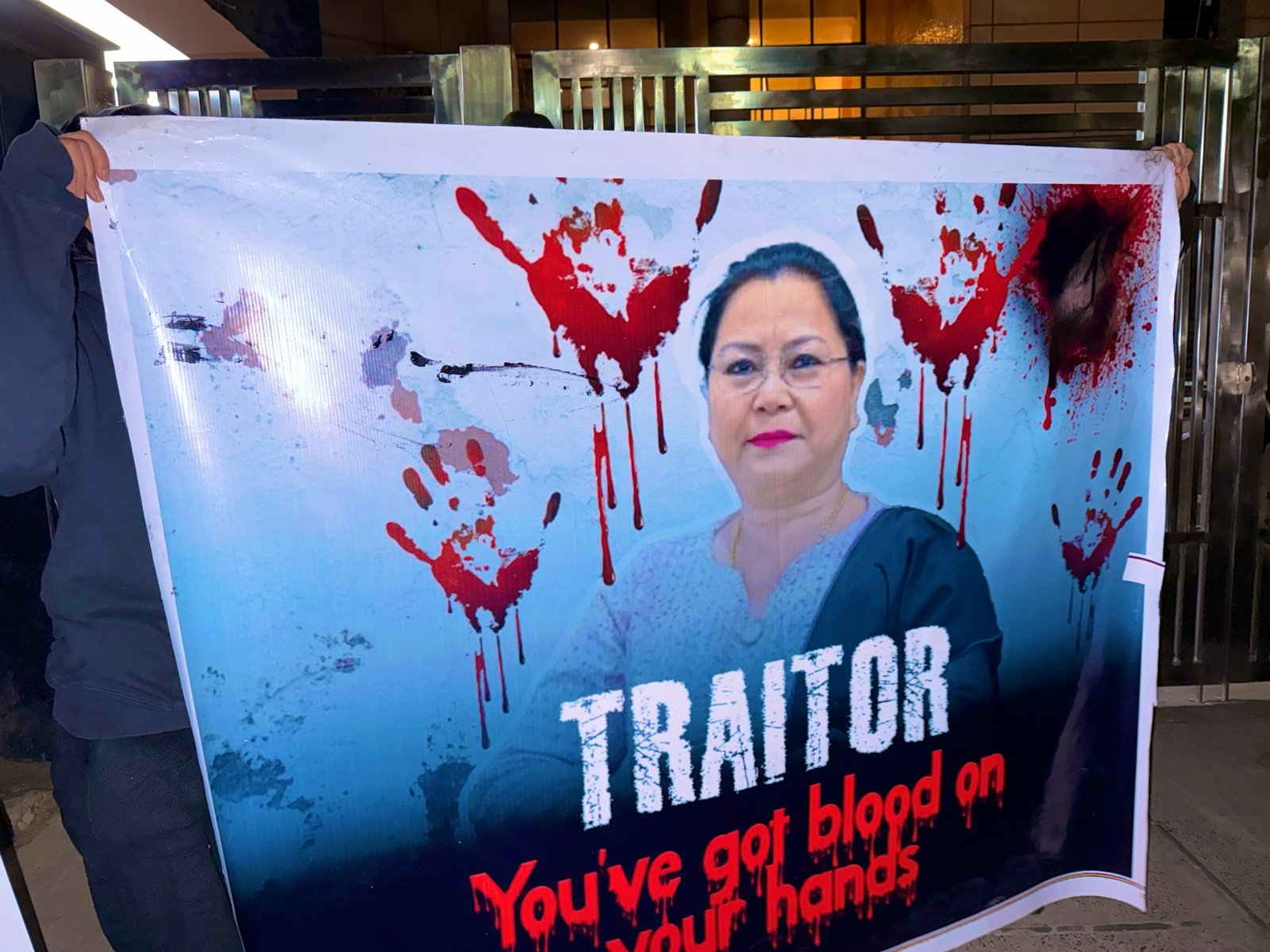
Posters, slogans, and demonstrations across Manipur’s hill districts and in New Delhi have branded her a “traitor to the cause,” while apex tribal bodies have imposed social boycotts on Kuki-Zo MLAs participating in the government.
Yet, in her home constituency of Kangpokpi, protest remained strikingly absent — until now.
High Stakes in Kangpokpi
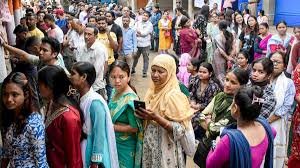
Next week’s rally is expected to draw thousands from across Kangpokpi district. Organisers say mobilisation efforts are already underway at village and block levels, with civil bodies determined to ensure mass participation.
Security agencies are closely monitoring developments, viewing the rally as a critical test of public sentiment in one of Manipur’s most militarised political landscapes.
“If Kangpokpi rises, it will shatter the myth of unquestioned control,” said a political analyst based in Imphal. “If it doesn’t, it will confirm how deeply entrenched shadow authority has become.”
As Manipur struggles to rebuild after months of ethnic conflict, the unfolding confrontation in Kangpokpi could reshape the balance between democratic assertion and militant power — and may well determine the future trajectory of Kuki-Zo politics in the state.