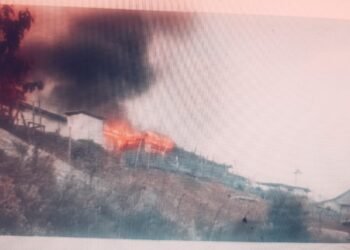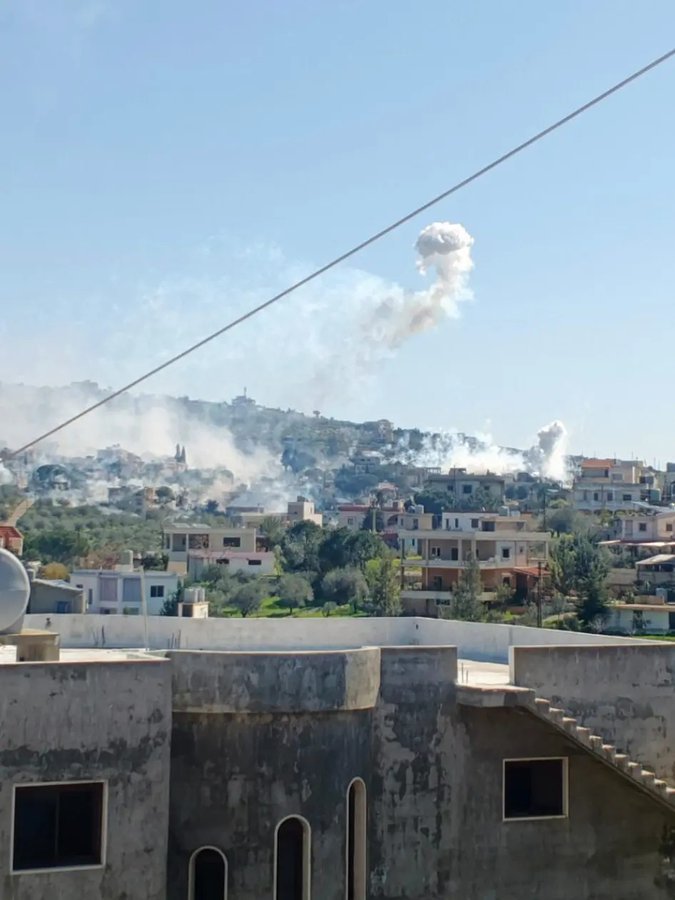
Verified images from the town of Yohmor appear to show airburst incendiary munitions igniting fires in homes and vehicles, according to investigators from Human Rights Watch.
PC Bureau
March 9: Tensions across West Asia are deepening as new allegations raise concerns about the conduct of Israeli military operations in southern Lebanon. A report by Human Rights Watch claims that Israeli forces used white phosphorus munitions over a residential neighborhood, a move the organization says could violate international humanitarian law and endanger civilians.
According to the rights group, the incident took place on March 3 in the town of Yohmor in southern Lebanon. Human Rights Watch said it verified and geolocated seven images that appear to show airburst white phosphorus munitions detonating above residential buildings. The images also show civil defense workers responding to fires in at least two homes and a vehicle in the affected area.
Ramzi Kaiss, a Lebanon researcher with Human Rights Watch, described the alleged attack as deeply troubling. He warned that deploying white phosphorus in civilian areas risks severe humanitarian consequences.
“The Israeli military’s unlawful use of white phosphorus over residential areas is extremely alarming and will have dire consequences for civilians,” Kaiss said.
“The incendiary effects of white phosphorus can cause death or cruel injuries that result in lifelong suffering.”
What White Phosphorus Does
White phosphorus is a chemical substance commonly used in artillery shells, rockets, and bombs. When exposed to oxygen, it ignites and burns intensely, producing thick smoke and extreme heat. Militaries sometimes use it to create smoke screens, mark targets, or signal troop movements.
However, the weapon is controversial when used in populated areas. When fired as an airburst munition, the projectile scatters burning wedges of phosphorus over a wide radius—often between 125 and 250 meters. These fragments can ignite homes, farmland, and vehicles, posing a significant risk to civilians and civilian infrastructure.
Under international humanitarian law, the use of incendiary weapons in densely populated areas is widely considered indiscriminate because it becomes extremely difficult to control the spread of fire and limit harm to noncombatants.
ISRAEL DROPS LIVING HELL ON LEBANESE CIVILIANS 🔥
Human Rights Watch just Confirmed it: #Israel is blanketing residential areas in Southern Lebanon with White Phosphorus.
Not Technically Banned.
But using it over Homes, Schools And Families? Straight-up War Crime Under… pic.twitter.com/RcXiiFyC9W
— তন্ময় l T͞anmoy l (@tanmoyofc) March 9, 2026
Evidence From Images and Social Media
Human Rights Watch said it examined an image shared online on the morning of March 3 that appears to show at least two artillery-fired white phosphorus rounds exploding mid-air over a residential section of Yohmor.
The organization noted that the smoke pattern in the image resembles the distinctive “knuckle-shaped” bursts associated with the M825-series 155mm artillery shell, a munition known to contain white phosphorus.
READ: Oil Shock Looms: Prices Could Rocket to $150 If Gulf Supplies Collapse
Evacuation Warnings Signal Possible Escalation
The allegations come at a time of heightened tensions between Israel and Hezbollah. Israeli officials recently urged residents of Beirut’s southern suburbs—areas believed to be under Hezbollah influence—to evacuate.
According to Reuters, an Israeli military spokesperson released a map highlighting four districts in the Lebanese capital that civilians were advised to leave and move north or east. Analysts see the warning as a sign that Israel may be preparing for a wider escalation in its campaign against the Iran-backed group.
Previous Allegations
This is not the first time Israel has faced accusations over the use of white phosphorus. In October 2023, Human Rights Watch reported similar incidents in Gaza and along the Israel–Lebanon border, claiming it verified videos showing multiple airbursts of the substance.
At the time, the Israel Defense Forces denied the allegations.
Human rights advocates say the latest claims highlight the urgent need for independent investigations and stronger accountability mechanisms in conflicts where civilian populations remain highly vulnerable. Critics argue that the continued reports of incendiary weapons being used near residential areas risk further inflaming an already volatile regional conflict.