Beyond the immediate human toll, Gulf airstrikes have disrupted shipping, tourism, and oil exports, hitting global markets. Countries heavily dependent on Gulf trade, including India, are experiencing economic volatility amid the escalating military conflict.
BY PC Bureau
March 2, 2026: Air raid sirens screamed across Tel Aviv on Monday as Iran launched another wave of missiles and drones, sending shockwaves through Gulf cities including Dubai, Doha, Abu Dhabi, and Manama. The attacks followed a US-Israel operation over the weekend that killed Iran’s supreme leader, Ayatollah Ali Khamenei, and several top officials, plunging the region into escalating violence. Since Saturday, explosions and intercepted attacks have become a constant presence across the Gulf, hitting civilian infrastructure and key US military installations.
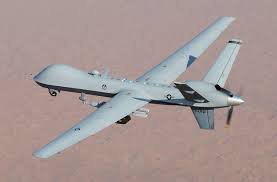
As the strikes entered their third day, multiple missiles were intercepted over Tel Aviv and Jerusalem. In Iraq, AFP reporters witnessed air defense systems shoot down at least two drones near Erbil airport, which hosts US-led coalition troops and a major US consulate. In Kuwait, smoke billowed from the American embassy after drone strikes.
Report said Iran just slammed Saudi Aramco’s Ras Tanura refinery. Iran’s drones hit the refinery — one of the world’s largest oil export and processing facilities — forcing a temporary shutdown amid escalating Middle East tensions
The Gulf states neighboring Iran, rich in oil and gas and home to US military bases, have seen extensive damage to airports, seaports, hotels, and residential buildings. On Sunday, drones struck Bahrain’s Manama airport, causing minor damage. In the UAE, debris from intercepted drones injured two residents in Dubai, while fires ignited at landmarks including The Palm seafront development and Burj Al Arab hotel.
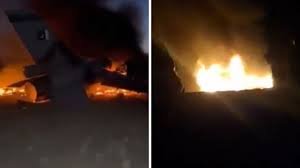
READ: F-15 Seen in Flames Over Kuwait in Dramatic Footage Shared by Iran
At Abu Dhabi airport, authorities reported at least one fatality and seven injuries during what they called an “incident,” while another person died earlier from falling debris. Dubai and Kuwait airports, major hubs for international traffic, were also hit, creating one of the largest disruptions to global air travel in recent years.
In Saudi Arabia, Iranian missiles targeting Riyadh’s international airport and the Prince Sultan Airbase, which houses US personnel, were intercepted. Qatar, home to the region’s largest US military base, reported that Iran launched 65 missiles and 12 drones; most were intercepted, but eight people were injured, one critically. Oman, which had avoided attacks on the first day, saw two drones strike the port of Duqm.
BOOM 💥 Iran just slammed Saudi Aramco’s Ras Tanura refinery! Retaliation in full effect—Gulf on fire, oil prices about to rocket! Epic Fury loading🔥 #Iran #Aramco pic.twitter.com/YEzWZJhrem
— Sad Boys Don’t Fold. (@donpizzy01) March 2, 2026
Diplomatic Fallout
The United States and its Arab allies strongly condemned the attacks. In a joint statement with Bahrain, Jordan, Kuwait, Qatar, Saudi Arabia, and the UAE, the US State Department called the targeting of civilians and neutral countries “reckless and destabilizing.”
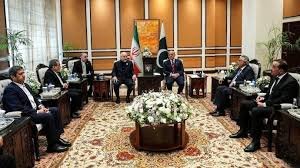
The Gulf Cooperation Council (GCC), comprising the UAE, Bahrain, Saudi Arabia, Oman, Qatar, and Kuwait, convened to formulate a unified response. The council demanded an “immediate cessation of these attacks” and stressed that Gulf stability is “not merely a regional concern but a fundamental pillar of global economic stability.”
In a notable diplomatic escalation, the UAE closed its embassy in Tehran and recalled its ambassador.
Iran’s Retaliation and Internal Turmoil
Iranian officials reported that more than 200 people have died since the strikes that killed top leadership. In retaliation, Iran fired missiles and deployed drones targeting Israel, US military bases across the Gulf, Saudi Arabia’s capital, and Dubai. The Islamic Revolutionary Guards Corps also claimed attacks on three US and UK oil tankers in the Gulf and the Strait of Hormuz, along with military bases in Kuwait and Bahrain.
Amid the turmoil, Iran appointed a 66-year-old cleric to the three-member leadership council that will govern until a new supreme leader is selected. However, questions remain about Tehran’s long-term political stability following the death of 86-year-old Ayatollah Ali Khamenei, who had ruled since 1989.
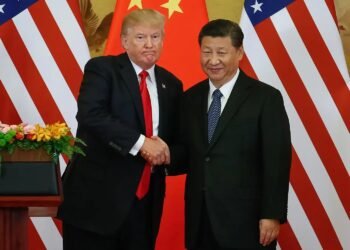
Ali Larijiani, a top Iranian security official, declared on X that Iran would not negotiate with the United States, even as former US President Donald Trump suggested openness to dialogue with Iran’s new leadership. Experts note that while the deaths of Khamenei and other leaders represent a major blow, they are unlikely to dismantle the country’s entrenched clerical system or the influence of the Revolutionary Guards.
Human and Economic Impact
The attacks have left Gulf cities reeling. Airports, seaports, residential buildings, and hotels have sustained damage, with casualties reported in Dubai, Abu Dhabi, and Qatar. Global air traffic has been severely disrupted, and markets—including India’s Dalal Street—have suffered heavy losses.
As the situation unfolds, the region faces a volatile mix of military escalation, political uncertainty in Tehran, and heightened economic risk for countries dependent on Gulf oil and trade routes.