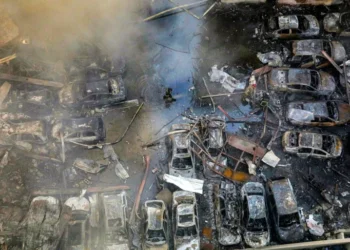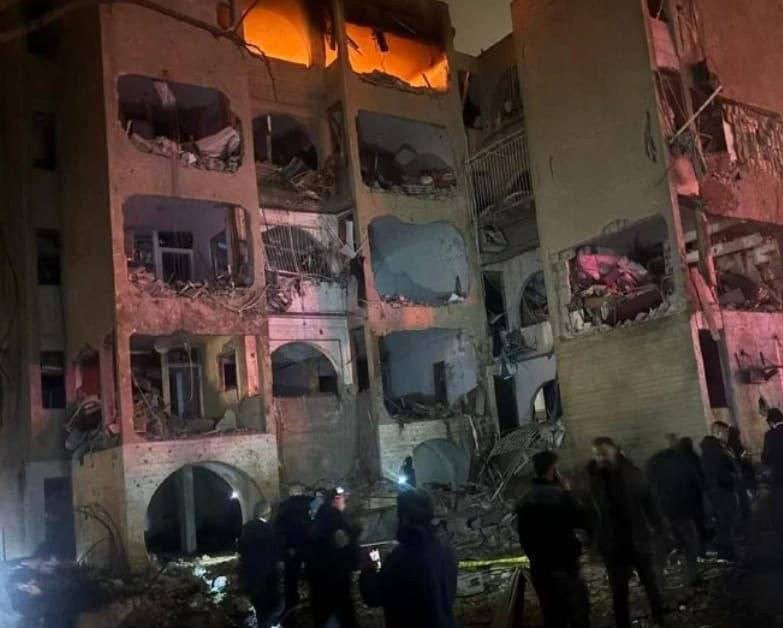
Shimon Peres Negev Nuclear Research Center in Dimona was targeted; residential areas suffered heavy damage. Israel’s air defense systems failed to intercept the incoming missiles, prompting a full IDF investigation
BY PC Bureau
March 22, 2026: In a dramatic escalation of tensions in the Middle East, Iran launched missile strikes on the Israeli towns of Dimona and Arad late Saturday night, leaving more than 100 people injured. Israeli officials have described the attacks as a retaliatory response to recent Israeli airstrikes on Iran’s Natanz nuclear facility.
The Shimon Peres Negev Nuclear Research Center in Dimona, Israel’s primary nuclear site, was reportedly a key target. The Iranian missiles caused substantial damage, tearing open the fronts of residential buildings and leaving large craters in the surrounding areas. Interceptors were launched, but according to AFP, they failed to stop the incoming missiles, which carried warheads weighing several hundred kilograms.
Magen David Adom, Israel’s national emergency medical and disaster response service, reported that 84 people were wounded in Arad, with 10 in serious condition, while 33 were injured in Dimona. Paramedic Karmel Cohen described scenes of “extensive damage and chaos,” adding that residents were in shock as rescue operations unfolded.
READ: Is Trump Losing It? Pearl Harbor Goof and Mueller Remarks Spark Outrage
Images from the sites show collapsed walls, debris scattered across streets, and Israeli soldiers inspecting the impact. Video footage captured a fireball streaking across the sky before hitting residential areas, sparking panic among local populations.
IDF spokesperson Brigadier General Effie Defrin wrote on X (formerly Twitter): “My heart is with the residents of Arad and Dimona tonight. Emergency forces are on the scene conducting rescue operations. Follow the Home Front Command instructions—they save lives.” He confirmed that Israel’s air defense systems had operated but did not intercept the missiles and assured the public that a full investigation into the failures would be conducted.
🚀🇮🇷🇮🇱 BREAKING: Iran targeted a bunker likely sheltering Israeli nuclear scientists, located 10km away from the Dimona nuclear facility pic.twitter.com/TX4MP6Omxr
— Asif Ali Baloch (@AsifBal68453589) March 21, 2026
Iran’s Perspective and Natanz Nuclear Facility
Earlier on Saturday, Iran’s Natanz nuclear enrichment facility was reportedly struck by air attacks. The official Iranian news agency, Mizan, stated there was no radiation leakage. Natanz, located about 220 kilometers southeast of Tehran, is Iran’s principal uranium enrichment site and has previously been targeted by Israeli and U.S. strikes, including during the 12-day war between Israel and Iran in June 2025. Satellite imagery from previous attacks showed significant damage to several buildings, though the United Nations’ nuclear watchdog confirmed no radiological consequences were expected.
The missile strike on Israeli soil marks a dangerous escalation in the ongoing conflict between the two countries, raising fears of a broader regional confrontation. Analysts note that Tehran’s ability to target cities over 4,000 kilometers away demonstrates the strategic depth of Iran’s missile program.
Regional and Global Reactions
The strikes come amid growing international concern over the conflict’s potential spillover effects. Israeli Prime Minister addressed the nation early Sunday, assuring citizens that emergency response teams were fully mobilized and reinforcing that Israel would protect its population and infrastructure. Meanwhile, the United Nations called for calm and restraint, urging both sides to avoid further civilian casualties.
Observers warn that retaliation cycles like this risk triggering a wider escalation across the Middle East, potentially drawing in regional allies and major powers with vested interests.