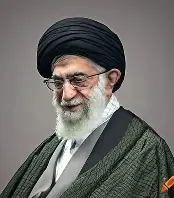
Three days of national mourning gatherings in Tehran will continue, while authorities plan a future formal farewell for Khamenei once conditions allow.
BY PC Bureau
March 4, 2026 — Iran has indefinitely postponed the state farewell ceremony for Supreme Leader Ayatollah Ali Khamenei, killed in a joint U.S.-Israeli airstrike over the weekend, due to expected massive crowds and the need for enhanced security and infrastructure, according to state-affiliated media.
The Fars News Agency, citing official sources, reported that the ceremony—originally scheduled to begin Wednesday at 10 p.m. local time (1830 GMT) at Tehran’s Imam Khomeini Prayer Hall (Mosalla) and run for three nights—has been delayed. “Previously it was announced that mourning would begin at 10 p.m. on Wednesday night and continue for three nights; however, due to the anticipated presence of millions and the need to provide proper infrastructure, the program has been postponed,” Fars stated. No new date has been provided.
The decision comes as Iran navigates the sudden vacuum left by Khamenei’s death on February 28 (or early March 1 local time), during the opening days of the ongoing U.S.-Israeli military campaign against Iranian targets. The 86-year-old cleric, who led Iran for nearly 37 years since succeeding Ayatollah Ruhollah Khomeini in 1989, was reportedly killed alongside family members—including a daughter, son-in-law, and grandchild—and senior aides in strikes targeting leadership compounds in Tehran.
READ: Submarine Strike Sinks Iranian Ship, Over 100 missing
READ: Iran Claims It Struck $1.1 B US Early Warning Radar in Qatar
Despite the Mosalla ceremony’s postponement, three days of national mourning gatherings will proceed in Tehran’s public squares, confirmed Hojjatoleslam Seyed Mohsen Mahmoudi, head of the Islamic Propaganda Coordination in Tehran. Earlier plans had envisioned a large procession and public viewing of Khamenei’s body, with heightened security amid ongoing strikes.
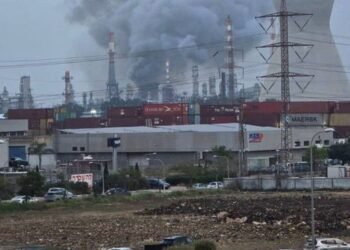
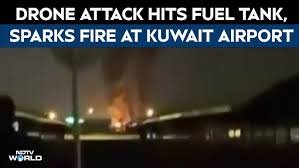
Logistical challenges are severe in a nation under bombardment, with continuing Israeli strikes on Tehran and other cities, Iranian missile and drone retaliations targeting Israel and U.S. assets in the region—including recent incidents near Al Udeid in Qatar—and widespread disruptions to infrastructure, communications, and transport. Authorities warn that millions could attend if the ceremony proceeds, echoing massive turnouts for past state funerals, complicating crowd management in a conflict zone.
Khamenei’s body is expected to be buried in Mashhad, his birthplace and a major religious center, though no firm date has been set. A formal farewell in Tehran remains anticipated once conditions allow.
Meanwhile, Iran’s leadership transition has moved swiftly. An interim council—including President Masoud Pezeshkian, the head of the judiciary, and a Guardian Council jurist—has assumed temporary duties of the Supreme Leader. Israeli and some Iranian reports indicate that Mojtaba Khamenei, the late leader’s 56-year-old son and a cleric with IRGC ties, has been positioned as the new Supreme Leader by the Assembly of Experts, though official confirmation remains limited amid ongoing chaos.
Public reactions in Iran have been deeply polarized: state-organized mourning in Tehran squares has drawn large crowds, while social media and reports suggest quiet celebrations in some areas among regime opponents. Iran has declared 40 days of national mourning—traditional for a “martyr”—alongside seven days of public holidays and office closures in some sectors.
Officials emphasize that the postponement reflects extraordinary circumstances: a country at war, facing airstrikes, internal divisions, and the unprecedented assassination of its paramount leader. Delaying formal rites also allows additional time for security assessments amid fears of attacks during large gatherings.
Iranian authorities have vowed continued resistance and retaliation, framing Khamenei’s death as martyrdom to galvanize the nation. International observers warn that the leadership vacuum and succession process could influence Iran’s strategic responses as the regional conflict intensifies. Citizens are urged to follow official announcements for updates on the rescheduled ceremony.