Explosions rocked Tel Aviv as Iran described the strike as part of a broader “ferocious” retaliation campaign targeting Israeli and US-linked sites across the region.
BY PC Bureau
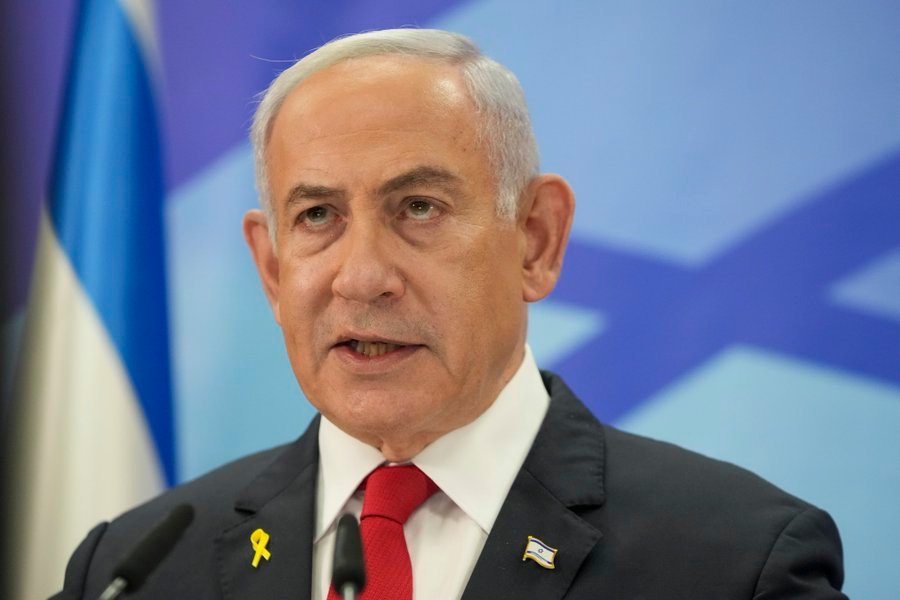
March 2: In a dramatic escalation of the conflict between Iran, Israel, and the United States, Iran’s Islamic Revolutionary Guard Corps (IRGC) announced on Monday, March 2, 2026, that it had launched a missile strike targeting the office of Israeli Prime Minister Benjamin Netanyahu in Tel Aviv.
The claim follows the assassination of Iran’s Supreme Leader, Ayatollah Ali Khamenei, who was killed on February 28, 2026, in a joint US-Israeli airstrike — an operation that has pushed the region into one of its most volatile crises in decades.
READ: Iran’s Drones Bomb Saudi Arabia’s Ras Tanura Oil refinery
IRGC Claims “Targeted and Surprise Attack”
The IRGC described the missile strike as part of a broader “ferocious” retaliation against what it termed the “American-Zionist axis.” In a statement carried by Iranian state media, the IRGC said it used “Kheybar Shekan” ballistic missiles in a “targeted and surprise attack” on Netanyahu’s office, as well as on the reported location of the Israeli Air Force commander.
According to the statement, the strike was part of the “10th wave” of Iranian operations. Loud explosions were reported in Tel Aviv. It remains unclear whether Benjamin Netanyahu was present at the time of the alleged strike. Some unverified reports suggest he may have sustained injuries, though no official confirmation has been provided by Israeli authorities.
The latest confrontation stems from the unprecedented joint US-Israeli military operation on February 28. Khamenei, 86, was killed in an airstrike on his residential compound in Tehran alongside several family members and senior officials.
The broader assault reportedly targeted more than 1,000 sites across Iran, including IRGC headquarters, missile production facilities, air defense systems, and command centers. Israeli military footage showed strikes on key facilities such as the Thar-Allah Headquarters, a central IRGC security hub in Tehran.
US President Donald Trump confirmed Khamenei’s death in a post on Truth Social, describing the operation as a major strategic success. Netanyahu, speaking from Israel’s military headquarters in Tel Aviv, warned that operations against Iran would “only increase” in intensity.
Iranian state media confirmed Khamenei’s death on March 1 and declared a 40-day national mourning period. Having ruled since 1989, Khamenei was known for his hardline anti-Western stance, backing of regional proxy groups, and firm control over domestic dissent.
Breaking 🚨
NETANYAHU TARGETED BY IRGC – HIS FATE REMAINS UNKNOWN
“Iran’s IRGC says its latest missile attack targeted the Netanyahu’s office and the location of the Israeli Air Force commander in a “surprise” strike.
It claims Netanyahu’s fate is “unclear” following the… pic.twitter.com/CABBIStFCc
— Iran Times (@IranTimes9) March 2, 2026
Iran’s Retaliatory Campaign
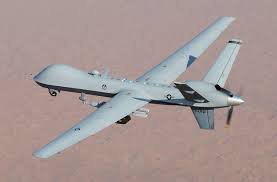
In response, Iran launched waves of missile and drone strikes beginning February 28. State media reported attacks on US military bases in Bahrain, Kuwait, Qatar, the UAE, and Jordan, as well as Israeli military and intelligence facilities in Tel Aviv.
Casualties have been reported across multiple locations. At least three US troops were reportedly killed in regional base attacks, while Israel has reported significant injuries and infrastructure damage. One missile strike reportedly destroyed a synagogue in Beit Shemesh, causing multiple fatalities.
Videos circulating on social media show ballistic missiles impacting Tel Aviv, triggering air raid sirens and widespread panic. Iranian officials described the retaliation as a “legitimate right” following what they called a “cynical violation of human morality.”
Global Reactions and Rising Risk of Wider War
The crisis has sparked international concern. Russian President Vladimir Putin condemned Khamenei’s killing as a violation of international norms. Regional actors, including Hezbollah in Lebanon, have reportedly exchanged fire with Israel.
Analysts warn that the power vacuum in Tehran — combined with the elimination of several potential successors — could destabilize Iran’s internal political structure. While some Western officials suggest the possibility of regime change, others caution that Iran’s entrenched clerical and military institutions remain deeply resilient.
With Gulf airspace under strain, oil markets fluctuating, and global trade routes facing disruption, experts warn that continued escalation could evolve into a broader regional war.
President Trump has indicated that the operation could conclude within “four weeks or less,” but with the IRGC vowing intensified attacks, the trajectory remains uncertain.
As funerals for Khamenei proceed in Tehran and retaliatory strikes continue across the region, the international community watches closely for signs of either de-escalation — or further bloodshed in an increasingly volatile geopolitical crisis.