As tensions escalate in the Gulf, an India-bound fuel tanker has successfully navigated the Strait of Hormuz, easing immediate fears of supply disruption.
BY PC Bureau
New Delhi, March 13 — An LPG tanker heading to India successfully crossed the strategically critical Strait of Hormuz on Friday, even as tensions remain high following Iran’s blockade of the vital shipping corridor during the ongoing conflict with the United States and its allies.
Sources said the vessel passed through the narrow waterway without incident earlier in the day. Another tanker carrying fuel supplies to India is expected to attempt the passage soon.
The development came as Iran’s Ambassador to India, Mohammad Fathali, indicated that Tehran would allow safe transit for vessels bound for India through the strait, citing the longstanding ties between the two countries.
“Iran and India are friends. We share common interests and a common future,” Fathali said while responding to questions on the movement of Indian-bound tankers. “The suffering of the people of India is our suffering, and vice versa. For that reason, we will help each other.”
READ: USS Abraham Lincoln Targeted? Iran Claims Success, US Says No
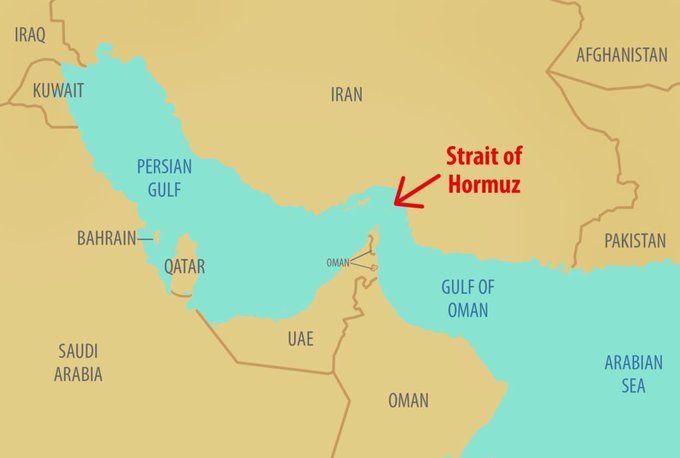
The Strait of Hormuz, one of the world’s most critical energy chokepoints, has been under intense scrutiny since Iran announced it would enforce restrictions on shipping in response to escalating hostilities with the United States and Israel. The waterway, barely 50 kilometres wide at some points and relatively shallow, is particularly vulnerable to military disruption.
Since the conflict began more than two weeks ago, many oil and gas tankers have remained stranded or delayed amid fears of attacks or naval interception.
The tensions have also rattled global energy markets. India, which imports around 50 percent of its natural gas requirements, sources about 20 percent of its LNG imports from Qatar. However, production at Qatar’s gas fields was halted after Iranian missile strikes targeted facilities in the region, creating uncertainty in supply across Asian markets.
To manage the situation, India’s Ministry of Petroleum has introduced contingency guidelines prioritizing the allocation of natural gas across critical sectors.
Despite the regional turmoil, Indian officials have sought to reassure the public about domestic energy supplies. At an inter-ministerial briefing, Sujata Sharma, Joint Secretary (Marketing and Oil Refinery) at the Ministry of Petroleum and Natural Gas, said the country’s energy situation remains stable.
More than 70 percent of India’s crude imports are currently being routed through alternative shipping lanes outside the Strait of Hormuz, officials said.
India’s large refining capacity — the fourth-largest in the world — is providing an additional buffer against supply disruptions. Domestic LPG production has also been ramped up by 28 percent in recent weeks.
Authorities noted that bookings for LPG cylinders surged after reports of supply disruptions triggered panic buying in several regions. Officials stressed there is no shortage of LPG and urged the public not to stockpile cylinders.
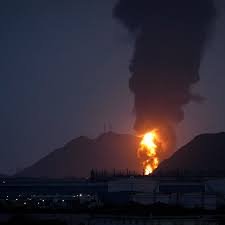
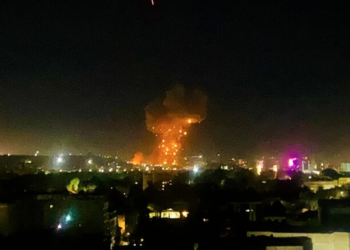
The Middle East conflict intensified following the killing of Iran’s Supreme Leader Ayatollah Ali Khamenei in joint strikes by the United States and Israel. Iran responded with retaliatory attacks on American and Israeli assets across the Gulf region, triggering widespread disruptions to shipping routes and raising fears of a broader global energy crisis.
With tensions still simmering, the safe passage of India-bound tankers through the Strait of Hormuz remains a crucial test of whether vital energy supplies can continue to flow despite the escalating conflict.