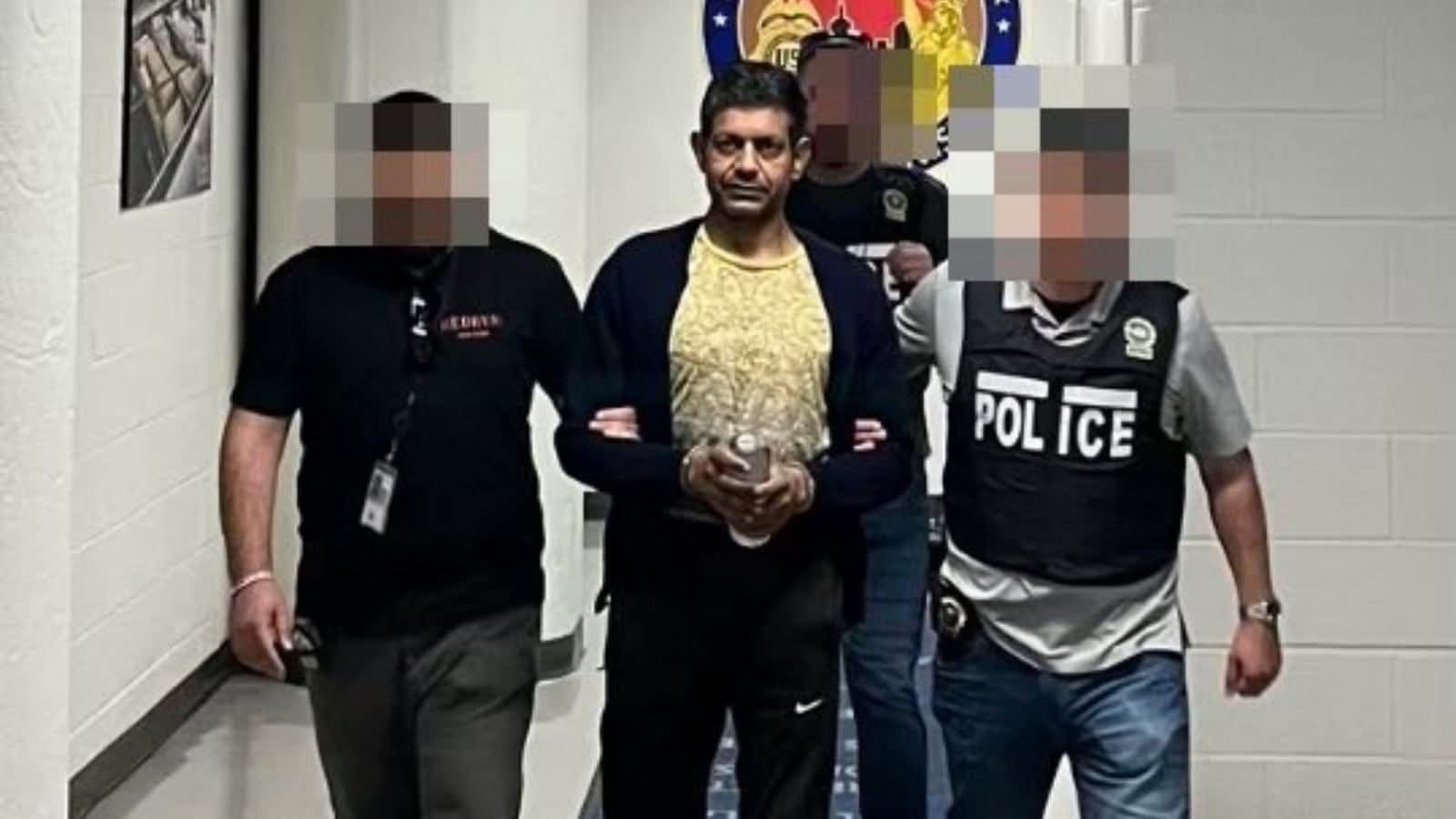
Nikhil Gupta, who pleaded guilty in the US case involving an alleged plot to kill Sikh separatist Gurpatwant Singh Pannun, says he wants to reunite with his family and devote his life to helping others.
BY PC Bureau
November 15: “I wish I could turn back time to 2023 and undo my mistakes.” In a deeply personal letter to a US federal judge, Indian national Nikhil Gupta has expressed remorse over his role in the alleged plot to assassinate Sikh separatist leader Gurpatwant Singh Pannun, describing a period of heavy drinking, psychological turmoil and suicidal thoughts following his arrest.
Gupta, who pleaded guilty in February 2026 to charges arising from the alleged murder-for-hire conspiracy, submitted the letter to US District Judge Victor Marrero ahead of his sentencing on November 20, 2026.
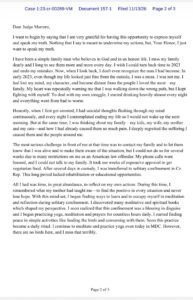
In the letter, filed on November 13 as Document 157-1 in Case No. 1:23-cr-00289-VM, Gupta recounts his arrest in the Czech Republic, months of solitary confinement, his extradition to the United States and his subsequent incarceration at the Metropolitan Detention Center (MDC) in Brooklyn.
He also describes how yoga, meditation, prayer and spiritual reading helped him cope with imprisonment and, in his words, brought him closer to his conscience.
Media reports have highlighted Gupta’s assertion that he planned the operation alone. His letter, however, focuses largely on personal remorse, the consequences of his actions for his family and what he describes as a transformation during his imprisonment.
‘I Had Lost My Mind’: Regrets His Past
Opening his letter, Gupta thanked the court for giving him an opportunity to present his account.
“I want to begin by saying that I am very grateful for having this opportunity to express myself and speak my truth. Nothing that I say is meant to undermine my actions, but, Your Honor, I just want to speak my truth,” he wrote.
Describing himself as a family man who believes in God and an honest life, Gupta said he deeply missed his wife, children and mother.
Looking back at his life in early 2023, he said he had become a person he could barely recognise.
“I wish I could turn back time to 2023 and undo my mistakes. Now, when I look back, I don’t even recognize the man I had become,” he wrote.
He said that although his life appeared normal from the outside, he was struggling internally and had become increasingly distant from those closest to him.
“My heart was repeatedly warning me that I was walking down the wrong path, but I kept fighting with myself,” he wrote, adding that he had started drinking heavily almost every night in an attempt to deal with his personal struggles.
Suicidal Thoughts And Guilt Over Family’s Suffering
Nikhil Gupta described the period immediately following his arrest in June 2023 as particularly traumatic. He said he experienced persistent suicidal thoughts and repeatedly contemplated ending his life.
“Honestly, when I first got arrested, I had suicidal thoughts flashing through my mind continuously, and every night I contemplated ending my life so I would not wake up the next morning,” he wrote.
He said thoughts of his wife, children, mother and two cats stopped him from giving in to those impulses. He was tormented by the thought of the pain his incarceration had caused his family.
“I deeply regretted the suffering I caused them and the people around me,” Nikhil Giupta said.
One of his most pressing concerns during the initial weeks in custody was establishing contact with his family and informing them that he was alive.
“The most serious challenge in front of me at that time was to contact my family and to let them know that I was alive and to make them aware of the situation,” he wrote.
He said restrictions prevented him from speaking to his family for several weeks. He also recounted difficulties in obtaining vegetarian food and described his subsequent transfer to solitary confinement in the Czech Republic.
READ: Nikhil Gupta Says He Acted Alone In Pannun Assassination Plot
Solitary Confinement, Spiritual Reading And Yoga
Gupta said the long periods of isolation gave him time to reflect on his actions. He recalled his mother’s advice to find something positive in every situation and never lose hope.
He gradually turned to meditation, prayer, yoga and spiritual literature, spending several hours each day on these practices.
Another source of comfort was feeding birds and talking to them. He said the activity became part of his daily routine and helped him find peace during an otherwise lonely period.
He continues to practise yoga and meditation at the Brooklyn detention facility, although he misses the birds that had become companions during his confinement in the Czech Republic.
Looking back, Gupta described his solitary confinement as “a blessing in disguise”.
Extradition To US And Life At Brooklyn Detention Centre
Gupta said his circumstances changed again in June 2024, when he was extradited to the United States after spending about a year in Czech custody.
He was subsequently lodged at the Metropolitan Detention Center in Brooklyn, where he said threats of violence from fellow inmates and prison gangs became a constant concern.
He recalled being struck by the calm and helpful demeanour of prison officers and staff who worked in what he described as a difficult environment. Their conduct, he said, encouraged him to stop complaining and concentrate on improving himself.
He continued reading, practising yoga and meditation, praying and reviewing government discovery documents related to his case.
His yoga routine eventually attracted fellow inmates. Gupta said he began guiding others through the exercises, sometimes spending additional hours helping them.
He claimed that officers and inmates began referring to him as “Indian Yoga”, with some staff encouraging other prisoners to follow his example.
‘A Better Human Being’: Gupta’s Promise For The Future
Reflecting on his time in prison, Gupta said the experience had changed his outlook on life and helped him confront his shortcomings.
He wrote that he sometimes became overwhelmed with emotion when thinking about what he had gained through his imprisonment, despite the suffering and losses it had brought.
“Nothing is more powerful than positivity, faith, kindness, love and selfless service towards others,” he wrote.
Nikhil Gupta also cautioned against turning to alcohol or other substances to cope with personal crises, saying that he had learnt the importance of confronting problems rather than seeking escape through drinking.
Gupta said he had resolved never again to follow a path that disturbed peace and wanted to devote his life to helping people and animals in need.
In his concluding appeal, Nikhil Gupta thanked the court for providing him with legal representation and an opportunity to present his case. He acknowledged that he desperately wanted to reunite with his family but said he would accept whatever sentence the judge imposed.
“Whatever the decision of this Court may be, I will accept it as I have full faith in Your Honor,” he wrote, adding that he hoped to become a better person for himself, his family and society.
The Pannun Assassination Plot Case
Gupta’s letter comes in a case that has strained India-US relations. US prosecutors accused him of participating in a conspiracy to arrange the killing of Pannun, a US-based Sikh separatist and advocate of Khalistan.
Gupta was arrested in Prague in June 2023 and extradited to the United States in June 2024. He pleaded guilty in February 2026 to charges including conspiracy to commit murder-for-hire.
US prosecutors have alleged that Gupta worked with an individual identified in court filings as an Indian government employee, linked to Vikash Yadav, in the alleged assassination conspiracy. New Delhi has rejected allegations of state involvement.
Gupta’s claim that he acted alone has attracted particular attention, although his personal account in the sentencing letter should be distinguished from the prosecution’s wider allegations.
The sentencing hearing is scheduled for November 20, 2026. Federal prosecutors have also sought permission for Pannun to address the court for approximately 20 minutes before the sentence is pronounced.