Images featuring Bill Clinton, Prince Andrew, Ghislaine Maxwell and other high-profile figures dominate the unsealed Epstein files dump, alongside heavily redacted records and unexplained material that raise fresh questions about Epstein’s network.
BY PC Bureau
December, 20, 2025: The release of thousands of pages of long-sealed documents related to convicted sex offender Jeffrey Epstein has opened a sprawling and unsettling archive that places some of the world’s most powerful and famous figures in close proximity to one of the most notorious criminals of the modern era. As journalists and investigators continue to sift through the material, the disclosures underscore not only the scale of Epstein’s network, but also the opacity that still surrounds it.
The files—released under the Epstein Files Transparency Act—contain photographs, handwritten notes, police records, seized electronic data, and investigative material accumulated over years. While the US Department of Justice has stressed that appearing in these documents is not evidence of criminal conduct, the sheer number of prominent names has reignited public scrutiny of Epstein’s elite connections.
High-Profile Figures Named or Pictured
Among the most prominent individuals appearing in images or documents are:
- Bill Clinton, former US president, shown in multiple photographs alongside Epstein and Ghislaine Maxwell. One image shows Clinton in a swimming pool with Maxwell present, while another features a painting depicting Clinton wearing a dress and red high heels. Clinton has previously acknowledged travelling on Epstein’s plane and has said he regrets the association, stating it was “not worth the years of questioning afterward.”
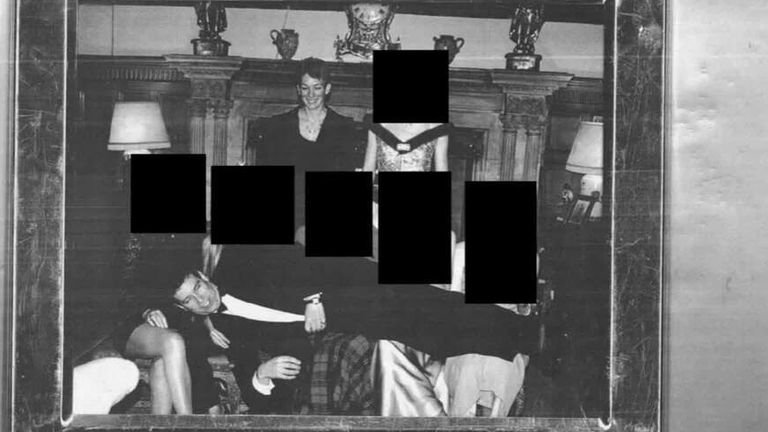
- Prince Andrew, Duke of York, appears in a photograph lying across women whose identities have been redacted, with Ghislaine Maxwell standing nearby. Andrew continues to deny allegations linked to Epstein and has stepped back from public life, relinquishing royal titles and duties.
(Prince Andrew Seen lying across women)
- Ghislaine Maxwell, Epstein’s longtime associate, appears extensively throughout the files. Convicted in 2021 on child sex trafficking charges, Maxwell is seen in multiple photos with Epstein and others, including images where she appears to be massaging Epstein’s foot.
- Lord Peter Mandelson, senior UK Labour figure and former British ambassador to the US, appears in photographs showing him seated with Epstein during what appears to be a birthday celebration. Previously released emails revealed prolonged contact between the two. Mandelson has publicly expressed deep regret for the association, describing Epstein as a “charismatic criminal liar,” while denying any knowledge of wrongdoing.
- Sarah Ferguson, Duchess of York, is also pictured in released images, seated and standing next to unidentified individuals whose faces have been redacted.
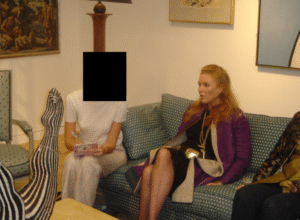
(Sarah Fergusson figures in the picture trove but no context is given)
- Michael Jackson, the late pop icon, is pictured standing next to Epstein in at least one photograph. Another image shows Jackson alongside Clinton and singer Diana Ross. No allegations of misconduct are attached to these appearances.
- Mick Jagger, lead singer of The Rolling Stones, appears in a photograph with Ghislaine Maxwell. No claims of wrongdoing have been made in relation to the image.

(Singer Mick Jagger and convicted child sex trafficker Ghislaine Maxwell)
GALLERY | Previously sealed Jeffrey Epstein files dropped Friday, spotlighting well-known names while stopping short of alleging wrongdoing.
MORE: https://t.co/plUhVHr8cM pic.twitter.com/8jRXDsTmq9— WPEC CBS12 News (@CBS12) December 19, 2025
Disturbing Objects, Notes and Uncontextualised Material
Beyond famous faces, the files include a disturbing assortment of images and documents whose meaning remains unclear:
- Photographs of a vibrator, an electric massage device, and a massage chair in rooms decorated with masks—features consistent with earlier searches of Epstein properties.
- A chalkboard drawing of a naked woman, with no contextual explanation.
- Handwritten notes reading phrases such as “for a good time call”, adorned with hearts and Epstein’s printed name.
- Images of a scrapbook containing cryptic phrases like “Is my cover blown?” and “I played the cards I was dealt.”
The lack of explanatory context for much of this material has complicated interpretation, prompting media outlets to proceed cautiously.
READ: High-Profile Figures Named So Far in Jeffrey Epstein Files
Police Records and Investigative Documents
Among the documents released is a 2006 Palm Beach Police Department photo lineup, in which five women—whose identities remain protected—identified Epstein. The files also include a search warrant for Epstein’s private island, detailing the seizure of computers, iPads, documents, photographs, and handwritten notes following his arrest in 2019.
More than 119 pages of grand jury material have been entirely redacted, rendering them unreadable. Additionally, hundreds of images of women—some described as suggestive or labelled “nude”—have been blacked out, reportedly to protect potential victims.
Political Fallout and Transparency Concerns
The release has drawn sharp political reactions. Senate Minority Leader Chuck Schumer criticised the disclosure process, arguing that the extensive redactions undermine both the spirit and letter of the transparency law. Democrats have accused the Trump administration of releasing “mountains of blacked-out pages” while withholding meaningful information.
Further controversy has emerged over the technical execution of the release. Despite a legal requirement that the files be searchable, the search function reportedly fails to return results even for well-known names such as Epstein, Clinton, or Maxwell. The Justice Department has cited “technical limitations” and handwritten materials as contributing factors.
The Department of Justice has indicated that hundreds of thousands more pages may be released in stages over the coming weeks. A coroner-style review of the material, combined with ongoing journalistic scrutiny, is expected to yield further revelations.
For now, the Epstein files paint a fragmented but troubling picture: one of extraordinary access, blurred boundaries between power and privilege, and a justice process still struggling to balance transparency with the protection of victims. While guilt cannot be inferred from association alone, the disclosures continue to fuel public demands for accountability—and for answers that have remained elusive long after Epstein’s death.