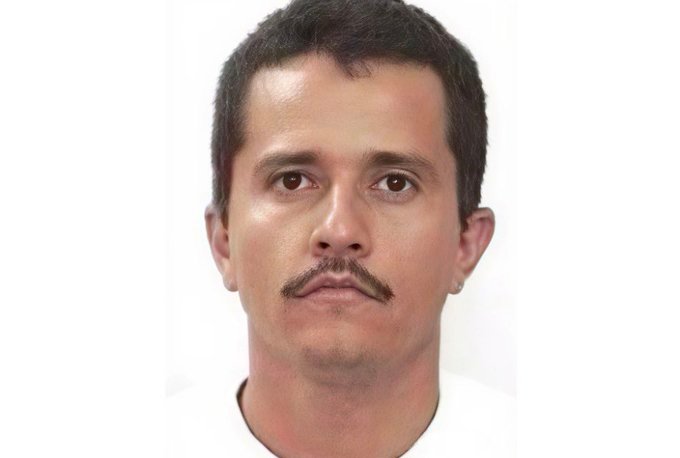
As co-founder and head of the Jalisco New Generation Cartel, El Mencho oversaw a vast narcotics network responsible for trafficking fentanyl, methamphetamine, heroin, and cocaine into the United States, fueling a deadly opioid crisis.
By PC Bureau
February 23, 2026: In a major breakthrough against organized crime, Mexican military forces have killed Nemesio Rubén Oseguera Cervantes—better known as “El Mencho”—the feared leader of the Jalisco New Generation Cartel (CJNG), in a high-risk operation in western Mexico, authorities confirmed Sunday.
The 59-year-old kingpin was fatally wounded during a fierce gun battle with Mexican army special forces in the town of Tapalpa, located in the cartel’s stronghold state of Jalisco. According to official reports, soldiers had launched the raid after tracking intelligence on Oseguera’s movements. He was shot during the confrontation and later died while being transported under heavy guard to Mexico City for emergency medical treatment.
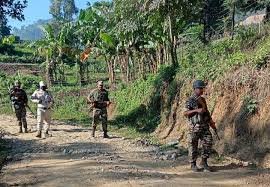
The operation resulted in the deaths of several CJNG gunmen, the arrest of at least two suspects, and the seizure of military-grade weapons, including rocket launchers and armored vehicles. Three Mexican soldiers were injured in the clash.
Mexican officials described the mission as one of the most significant blows against organized crime in recent years.
🏆 Mexico just killed the most wanted drug lord on Earth. And it was never supposed to happen this way.
This morning. Mountains of Tapalpa, Jalisco. Mexican Army special forces — backed by U.S. intelligence — ended a decade-long manhunt. Nemesio “El Mencho” Oseguera Cervantes,… pic.twitter.com/f47Q95to4l
— Jake (@JakeCan72) February 22, 2026
Immediate Violent Retaliation Across Multiple States
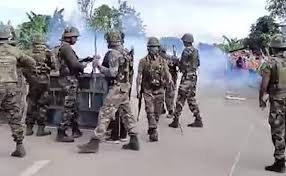
Within hours of El Mencho’s death, CJNG members launched coordinated retaliatory attacks across western Mexico. Criminal groups blocked highways with burning trucks, set vehicles ablaze, and engaged security forces in multiple states, including Jalisco, Michoacán, Colima, and Guanajuato.
Major urban centers such as Guadalajara were paralyzed as frightened residents stayed indoors and businesses shut down. Violence and roadblocks were also reported in the tourist destination of Puerto Vallarta, raising concerns about tourist safety.
READ: Chanakya of Bengal Politics’ Mukul Roy Passes Away After Prolonged Illness
READ: Man Shot Dead After Breaching Security at Trump’s Estate
Authorities canceled public events, suspended classes, and deployed additional troops and federal police to restore order.
Mexican President Claudia Sheinbaum urged citizens to remain calm, stating that federal and state authorities were working together to stabilize affected areas.
“Our armed forces acted with courage and professionalism,” Sheinbaum said. “We will continue our efforts to guarantee peace and security.”
United States Hails Operation as Major Victory
The United States government praised the killing as a major victory in the fight against drug trafficking.
El Mencho had long been one of the most wanted criminals in the world, with the U.S. Drug Enforcement Administration offering a $15 million reward for information leading to his capture. He was accused of overseeing massive shipments of fentanyl, methamphetamine, cocaine, and heroin into the United States.
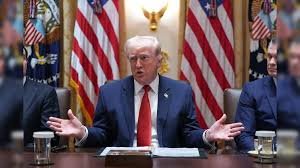
U.S. President Donald Trump had previously pressured Mexico to intensify its crackdown on fentanyl trafficking, even threatening economic penalties if stronger action was not taken.
Deputy U.S. Secretary of State Christopher Landau called El Mencho’s death “a major step forward in the fight against transnational criminal organizations.”
“This is a victory not only for Mexico, but for the United States and the global community,” Landau said.
Travel warnings were issued following the violence, and several airlines temporarily suspended flights to affected regions.
From Farm Boy to One of the World’s Most Powerful Drug Lords
El Mencho’s rise to power was as dramatic as it was brutal.
Born in 1966 in rural Michoacán, he grew up in poverty in an agricultural family. As a young man, he illegally migrated to the United States in search of work, eventually settling in California.
In 1992, he was arrested on drug-related charges and served time in a U.S. prison before being deported back to Mexico. Rather than abandoning crime, he used his experience to deepen his involvement in organized trafficking networks.
Upon his return, he joined criminal groups linked to the Sinaloa Cartel, where he gained experience as an enforcer and operational strategist. He also briefly served as a local police officer, a role believed to have helped him understand law enforcement tactics.
After the collapse of the Milenio Cartel in the late 2000s, he founded CJNG around 2009.
Under his leadership, the cartel expanded rapidly, becoming one of the most powerful and feared criminal organizations in the world.
Architect of a Violent Criminal Empire
El Mencho transformed CJNG into a highly organized and heavily armed force that rivaled Mexico’s most powerful cartels.
His organization became notorious for:
Mass killings and public displays of violence
Attacks on military and police forces
Use of armored vehicles and heavy weapons
Industrial-scale fentanyl and methamphetamine production
CJNG expanded its presence across Mexico and internationally, establishing networks throughout Latin America, Europe, and Asia.
His rise placed him alongside infamous drug lords such as Joaquín “El Chapo” Guzmán and Ismael “El Mayo” Zambada, but unlike them, El Mencho maintained a far lower public profile, rarely appearing in photographs or videos.
He relied heavily on family members and loyal lieutenants to manage operations, making him difficult to locate and capture.
Uncertain Future for CJNG and Mexico’s Drug War
Security experts warn that El Mencho’s death could destabilize the criminal landscape, potentially triggering violent internal power struggles within CJNG and conflicts with rival cartels seeking to seize territory.
While his killing marks a major symbolic and operational victory for authorities, CJNG remains a powerful and deeply entrenched criminal organization.
His death closes one of the most consequential chapters in modern cartel history—but the violence and criminal networks he built may endure long after his fall.