A moment of truth approaches as both US amd Iran come face-to-face in Islamabad, with the outcome set to signal either renewed confrontation or a step toward lasting peace.
BY PC Bureau
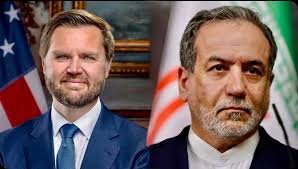
April 11, 2026: In a rare and closely watched moment of direct diplomacy, JD Vance has arrived in Pakistan’s capital to lead high-level negotiations with a senior Iranian delegation that includes Foreign Minister Abbas Araghchi. The talks, hosted by Pakistan, aim to transform a fragile two-week ceasefire into a lasting agreement and prevent renewed conflict in the Middle East.
The US delegation, which landed in Islamabad on Saturday morning, is led by Vance and includes key figures from the Trump administration such as Steve Witkoff and Jared Kushner. The Iranian team arrived late Friday, headed by Parliament Speaker Mohammad Bagher Ghalibaf, alongside Araghchi and a large group of security, political, military, and economic advisers. Pakistani authorities extended red-carpet reception and enforced extraordinary security measures, including heavy military escort for the US convoy.
From Conflict to Fragile Truce
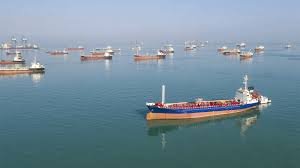
The negotiations follow weeks of escalating tensions between Washington and Tehran, including direct clashes and disruptions in the strategically vital Strait of Hormuz, through which a significant portion of the world’s oil supply passes. A surprise ceasefire earlier this month was largely brokered by Pakistan’s leadership, particularly Army Chief Asim Munir.
Prime Minister Shehbaz Sharif has described the current round of talks as “make or break,” underscoring the high stakes involved.
US Vice President JD Vance in Islamabad pic.twitter.com/Fx30u49PTv
— Tehran Times (@TehranTimes79) April 11, 2026
Key Issues on the Table
This is among the highest-level US–Iran engagements in years, with both sides represented at senior leadership levels. The agenda is expected to include:
- Ceasefire consolidation: Ensuring safe passage through the Strait of Hormuz and preventing further military incidents.
- Sanctions relief: Iran’s long-standing demand in exchange for nuclear constraints.
- Regional de-escalation: Addressing tensions involving proxies, Lebanon, and Gulf security.
- Verification mechanisms: Establishing trust through enforceable implementation frameworks.
Pakistani officials are facilitating the talks but allowing direct engagement between the two sides. Security across Islamabad has been tightened significantly, with reports of armoured vehicles, electronic countermeasures, and aerial surveillance.
Signals from Both Sides
Before departure, Vance struck a cautious tone, saying the US is open to dialogue if Iran negotiates in good faith, while warning against attempts to exploit the process. He added that Donald Trump had given “clear guidelines” to the negotiating team.
On the Iranian side, Ghalibaf and Araghchi reiterated that progress depends on Washington meeting key preconditions, including sanctions relief. Iranian state media reported that Tehran has brought a “15-point proposal” to the table, while stressing it will not negotiate under pressure.
BREAKING: Pakistan’s army chief General Asim Munir and Foreign Minister Ishaq Dar receive high-level Iranian delegation led by parliament speaker Bagher Ghalibaf and Foreign Minister Abbas Araghchi in Islamabad, Pakistan pic.twitter.com/gAsWXvYChm
— Insider Paper (@TheInsiderPaper) April 10, 2026
READ: BSF Jawan Killed in Firing in Manipur’s Ukhrul
Uncertain Prospects
Analysts describe the talks as tense but potentially productive. Iran’s decision to send top leadership figures signals serious intent, and Tehran reportedly sought Vance’s direct involvement, viewing him as a credible interlocutor within the Trump administration.
However, major challenges remain. Iran’s negotiating style—described by Araghchi as persistent and exhaustive—could prolong discussions, while Washington appears reluctant to offer sweeping concessions. Any agreement would also face political scrutiny in both countries.
Pakistan’s role as host has been pivotal. By bringing the two adversaries together on neutral ground, Islamabad has positioned itself as a key diplomatic player in a volatile region.
As talks begin, global attention is fixed on Islamabad. A breakthrough could stabilize a fragile region and ease pressure on global energy markets, while failure risks reigniting conflict with far-reaching consequences.