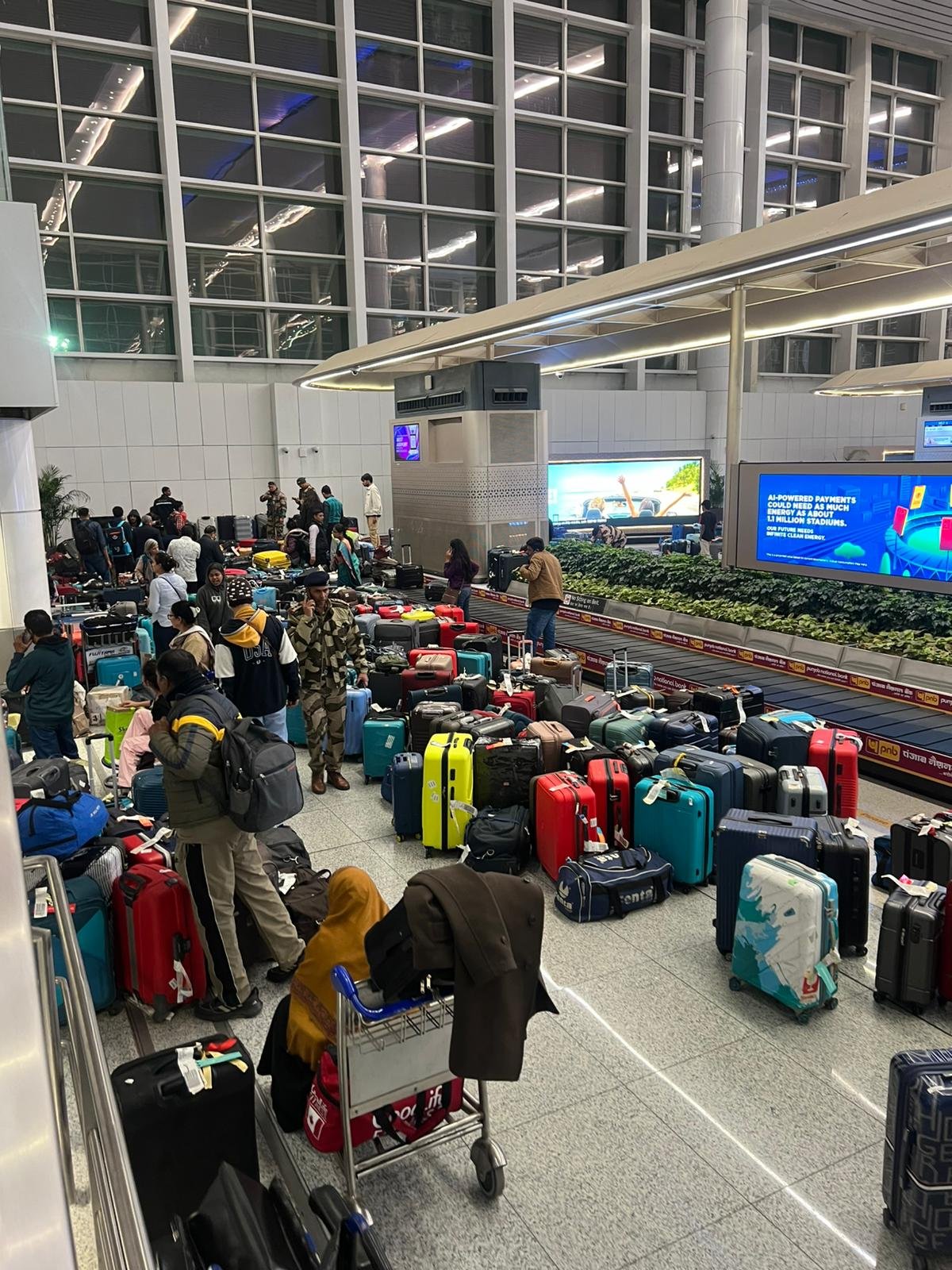
The move follows three tumultuous days in which over 500 IndiGo flights were canceled as the carrier struggled to comply with stricter pilot fatigue norms introduced on November 1.
New Delhi, December 5, 2025: In a significant development to ease the widespread flight cancellations plaguing India’s largest airline, the Directorate General of Civil Aviation (DGCA) has granted IndiGo a temporary partial waiver from key provisions of the newly implemented Flight Duty Time Limitations (FDTL) rules. The decision comes after three days of mounting chaos that stranded thousands of passengers across major airports, with over 500 flights canceled since Tuesday.
And, @DGCAIndia caves in to Indigo blackmail. Passenger safety has been ejected to ensure that the DGCA Indigo nexus continues pic.twitter.com/nChVBzlrXJ
— Swati Chaturvedi (@bainjal) December 5, 2025
The exemption will remain in effect until the airline stabilizes operations.
What the Waiver Covers
The DGCA has relaxed restrictions related to:
Night duty hours
Night encroachment operations for A320 aircraft
IndiGo said the flexibility will help it rebuild its depleted pilot roster and improve schedule reliability over the coming days.
Why the Crisis Escalated
The turmoil began intensifying on December 2, when IndiGo began struggling to implement Phase 2 of the revised FDTL norms that took effect on November 1, 2025. The rules — mandated by the Delhi High Court to combat pilot fatigue — include:
Mandatory weekly rest increased from 36 to 48 hours
Night landings capped at two per week (down from six)
“Night duty” definition extended by one hour
Stricter caps on total cumulative duty hours
IndiGo, which operates over 2,300 flights daily and controls 60% of India’s domestic aviation market, cited a mix of factors for the chaos: a severe pilot shortage, winter scheduling pressures, and inadequate planning ahead of implementation.
The airline’s typical 4% crew buffer has fallen to zero, forcing large-scale reassignments and extensive deadheading (pilots flying as passengers to reach operational bases).
Key Impacts and Passenger Fallout
Scale of Cancellations
On Thursday alone, at least 175 flights were cancelled, including:
Bengaluru: 73 cancellations
Mumbai: 85 cancellations
Disruptions also hit Delhi, Hyderabad, Pune, and multiple international routes
(UAE-bound services saw delays but domestic hubs suffered the worst.)
Passenger Strife
Airports saw:
Hours-long queues
Reports of “toddler-level tantrums” as tempers frayed
Mass demands for clarity on rescheduling
IndiGo issued apologies and offered rebookings, meals, and accommodation, but its on-time performance plunged to 19.7% on Wednesday, an unprecedented low.
Economic Ripple
Shares of InterGlobe Aviation (IndiGo’s parent) fell 6% this week.
Sharp fare spikes prompted the DGCA to monitor pricing closely.
Disruption Snapshot: December 2–7
| Date | Estimated Cancellations | Worst-Affected Airports | On-Time Performance |
|---|---|---|---|
| Dec 2 (Mon) | ~100 | Delhi, Mumbai, Bengaluru | ~50% |
| Dec 3 (Tue) | ~200 | Hyderabad, Pune, nationwide | 35% |
| Dec 4 (Thu) | 175+ | Bengaluru (73), Mumbai (85) | 19.7% (Wed data) |
| Projected (Dec 5–7) | 100–150/day | Improving gradually | Expected to stabilise post-waiver |
Government Response and IndiGo’s Recovery Plan
Civil Aviation Minister Ram Mohan Naidu held an emergency meeting with IndiGo leadership on Thursday, expressing “strong displeasure” at the airline’s handling of the transition.
The government has instructed:
AAI to assist stranded passengers
DGCA to ensure timely normalization without fare exploitation
IndiGo’s Commitments
Full restoration by February 10, 2026 through:
Accelerated hiring (target 500+ pilots)
Expanded training
Phased flight reinstatement
Short-term steps:
2–3 more days of targeted cancellations for “schedule stabilization”
Voluntary 20–30% reduction in flights beginning December 8
Fortnightly progress reports to the DGCA on staffing and rostering
The DGCA emphasized that airlines were given more than a year’s notice (rules announced in 2024) and termed the crisis a “strategic planning failure.”
Pilot Unions Hit Back
Pilot bodies — including ALPA (India) and the Federation of Indian Pilots — strongly criticised IndiGo’s staffing strategy, arguing:
The airline has long relied on lean manpower models
Cancellations appear to be an attempt to pressure regulators into easing fatigue rules
IndiGo pilots have previously flown 55–57 hours per week, far above sustainable limits
ALPA urged the DGCA to link slot approvals to demonstrated pilot availability under FRMS (Fatigue Risk Management System).
Broader Context
All Indian carriers, including Air India, had sought delays in FDTL implementation. But IndiGo’s high-volume, low-cost model — dependent on tight turnarounds and overnight rotations — made it disproportionately vulnerable.
While Air India faced scrutiny after the June crash, it reported relatively fewer FDTL-related disruptions.
The crisis highlights the growing strain between:
Safety reforms prioritizing fatigue mitigation, and
Operational imperatives in India’s fast-growing aviation market — where IndiGo alone commands a $9-billion revenue footprint.