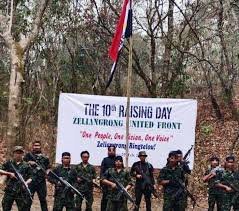
Tensions between ZUF and NSCN-IM have deep roots, dating back to ethnic clashes in the 1990s. ZUF alleges prolonged exploitation, intimidation, and suppression of the Zeliangrong people, raising
BY PC Bureau
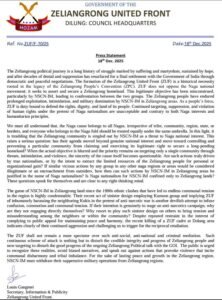
December 19, 2025: The Zeliangrong United Front (ZUF) has openly accused the National Socialist Council of Nagalim (Isak-Muivah), or NSCN-IM, of targeting Zeliangrong-inhabited areas through what it calls “suppressive military operations.” In a statement released from its Dilung Council Headquarters on December 18, 2025, ZUF framed its position as a defence of Zeliangrong rights, dignity, and territorial integrity, while reaffirming its commitment to achieving a political settlement with the Government of India through democratic means.
Renewed Divergence Within the Naga Movement
The ZUF’s statement highlights the growing fissures within the broader Naga movement, reflecting long-standing disagreements over representation, territorial claims, and political priorities. While asserting that it does not oppose the overall Naga national cause, ZUF emphasises that the Zeliangrong community has unique historical and political aspirations, anchored in the legacy of the Zeliangrong People’s Convention. The group argues that recognition of Zeliangrong-specific demands is essential for a truly inclusive Naga settlement, countering attempts to portray these assertions as anti-Naga.
Accusations Against NSCN-IM
ZUF claims that NSCN-IM has subjected Zeliangrong areas to intimidation, resource exploitation, and military dominance, contributing to recurring confrontations between the two groups. The statement questions whether NSCN-IM’s operations are genuinely motivated by Naga nationalism or by a desire to control Zeliangrong resources and territory. It denounces what it describes as “targeting, suppression and violation of human rights” carried out under the banner of Naga unity, insisting such tactics undermine both humanitarian principles and the credibility of Naga political aspirations.
Legacy of Clashes and Communal Tensions
The ZUF revisits historical clashes dating back to the 1990s, blaming NSCN-IM for fuelling communal tension between the Zeliangrong and neighbouring communities. The statement specifically references the use of “Kamson group” elements and anti-narcotics campaigns allegedly tied to Kukis, arguing that such measures exacerbate mistrust and inter-tribal animosities. ZUF contends that genuine anti-drug initiatives should not compromise the social cohesion of Zeliangrong and neighbouring communities.
Call for Public Awareness and Restraint
While asserting that it “shall not remain a mute spectator,” ZUF called on civil society, local populations, and other Naga groups to recognise patterns of aggression it associates with NSCN-IM. The group reiterated its commitment to political dialogue with the Government of India and stressed that its response to aggression will focus on restraint and defensive measures, rather than retaliation. ZUF warned that unchecked military or coercive actions could escalate inter-Naga tensions, threatening both peace and ongoing political negotiations.
READ: From Grief to Rage: Anatomy of Bangladesh’s Anti-India Protests
READ: Explosive Epstein Photos: Handwritten Messages on Women, Chomsky Link
Demand for Immediate Withdrawal
In closing, ZUF, through Secretary of Information and Publicity Louis Gangmei, demanded an immediate halt to what it termed NSCN-IM’s “suppressive military operations” in Zeliangrong areas. The group stressed that withdrawal is crucial to restoring peace, safeguarding the integrity of the political process with the central government, and building trust among Naga communities. According to ZUF, meaningful recognition of Zeliangrong rights and territorial claims is a precondition for sustainable peace within the Naga movement.