Demonstrations that began in Tehran have expanded nationwide, driven by a collapsing Iranian currency, soaring inflation and years of economic stagnation. The protestors are seeking to oust Iran’s ruling regime. With Trump backing them indirectly, the protesdt is likely to intensify
BY PC Bureau
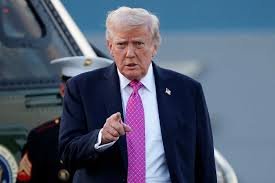
January 2, 2026: As protests driven by economic hardship intensified across Iran, US President Donald Trump on Wednesday issued a blunt warning, saying the United States was “locked and loaded and ready to go” if the Iranian regime “shot and killed” protesters. The remark was posted on Trump’s social media platform, Truth Social, amid reports of deadly clashes between demonstrators and Iranian security forces.id reports of deadly clashes between Iranian security forces and protesters across several provinces.
At least seven people have been killed in the unrest, according to media reports, as demonstrations that began in Tehran on Sunday spread rapidly to other parts of the country. The protests have been fuelled by mounting public anger over a steep fall in the value of Iran’s currency, years of economic stagnation and soaring inflation, which officially reached 42.5 per cent in December.
The demonstrations initially saw shopkeepers and small traders taking to the streets, protesting falling purchasing power and rising costs. The movement gained further momentum on Tuesday when students from at least 10 universities joined the protests, broadening the scope of the unrest and increasing pressure on the government. Markets in several cities were shut as tensions escalated, disrupting daily life and commerce.
In an apparent attempt to curb the unrest, authorities declared a public holiday citing cold weather conditions, a move that effectively brought large sections of the country to a standstill. However, reports suggest the measure did little to ease tensions, as demonstrations and confrontations continued in several areas.
According to CNN, protests over the past 24 hours escalated into violent clashes in multiple locations. Iran’s semi-official Fars news agency reported that demonstrators clashed with police, pelted security personnel with stones and set vehicles ablaze. The agency also claimed that armed “disturbers” had taken advantage of the gatherings, adding that security forces later seized firearms from a number of individuals.
Iran’s civilian government, led by President Masoud Pezeshkian, has sought to strike a conciliatory tone amid the growing unrest. Addressing an event broadcast on state television, Pezeshkian acknowledged public frustration and anger over economic hardship. “From an Islamic perspective… if we do not resolve the issue of people’s livelihoods, we will end up in Hell,” he said, underscoring the severity of the economic crisis facing the country.
Iran’s economy has been under sustained strain for years due to US and Western sanctions imposed over Tehran’s nuclear programme. The impact of sanctions has been compounded by regional tensions and security challenges, including a 12-day conflict with Israel in June, which further weakened state finances, disrupted trade and deepened public discontent.
READ: Shah Rukh Khan Under Fire Over KKR’s Signing of Bangladeshi Player
The latest unrest has raised fresh concerns about stability in Iran and the potential for wider regional repercussions, particularly amid heightened tensions between Tehran and Washington. While the Iranian government has blamed foreign interference and armed provocateurs for parts of the violence, protesters have continued to voice grievances over unemployment, inflation and declining living standards.
With no immediate signs of the protests abating, the situation remains volatile, as international attention focuses on both Iran’s internal response and the implications of Washington’s hardline rhetoric.