Tarique Rahman’s return to Dhaka comes amid political turbulence following Sheikh Hasina’s ouster and is expected to strengthen the Khaleda Zia-led BNP as the main opposition force in the upcoming polls.
BY PC Bureau
December 25, 2025: Bangladesh Nationalist Party (BNP) acting chairman Tarique Rahman returned to Bangladesh on Thursday, landing at Sylhet airport and ending more than 17 years of self-imposed exile in the United Kingdom. Rahman had left the country in 2008 for medical treatment amid mounting legal cases and political pressure.
The return of Rahman, the elder son of former prime minister and BNP chairperson Khaleda Zia, marks a significant moment ahead of the country’s parliamentary elections scheduled for February 2026. With Khaleda Zia, 80, battling serious health issues, Rahman is widely viewed as the BNP’s principal electoral face and a potential prime ministerial candidate.
His homecoming comes against a backdrop of political volatility. Bangladesh has seen repeated bouts of violence since the ouster of former prime minister Sheikh Hasina following a mass uprising last year. Tensions resurfaced recently after the killing of Osman Hadi, a youth leader who played a key role in Hasina’s removal. Hadi’s brother has alleged the murder was intended to “sabotage the polls.”
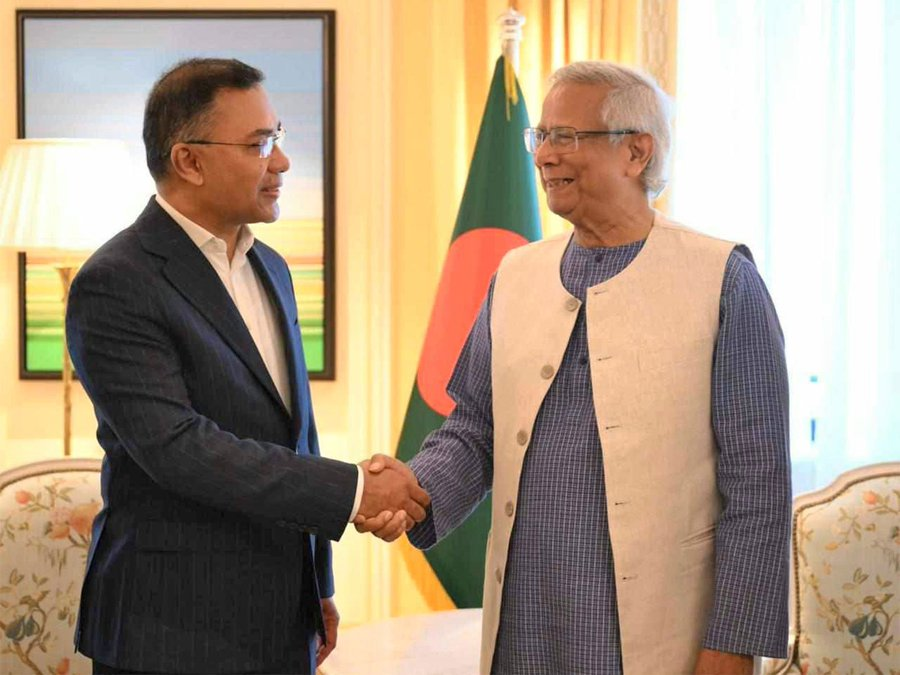
Rahman’s return was facilitated by the Yunus-led interim government. Earlier this month, Foreign Affairs Adviser Md Touhid Hossain said the government could issue a one-time travel pass within a day if Rahman chose to return. Chief Adviser Muhammad Yunus also discussed the matter at a recent meeting, officials said.
Rahman, 58, has lived in London since 2008 after being convicted in multiple cases, including money laundering and charges related to an alleged plot to assassinate Sheikh Hasina. However, over the past year, Bangladesh’s higher courts have acquitted him in all major cases, including the 2004 grenade attack and the Zia Orphanage Trust graft case, removing legal barriers to his political comeback.
Historic moment. After 17 long years, the son of the land, “Tarique Rahman”, has stepped into the land of Bangladesh with his family. pic.twitter.com/vika3csghz
— BD Force🇧🇩 (@BDF0RCE) December 25, 2025
READ: Sub-Zero Chill, Frost Blanket Turn Ooty into Tourist Magnet
Widely regarded as the BNP’s de facto leader, Rahman has announced plans to contest the February 2026 general elections. “For some reasonable reasons my return has not happened… but the time has come, and I will return soon. I am running in the election as well,” he told BBC Bangla earlier.
Bangladesh’s political landscape has been reshaped since the violent 2024 uprising that led to Hasina’s resignation and exile. The interim government, headed by Nobel laureate Muhammad Yunus, was formed to oversee reforms and ensure a fair electoral process. With the Awami League barred from contesting elections, traditional alliances have fractured, and new political forces — including the student-led National Citizen Party — have entered the fray.
BNP leaders say Rahman’s return ends years of remote leadership and strengthens the party’s position as the main challenger in the upcoming polls. He is expected to complete voter registration formalities on December 27, enabling him to take a direct role in electoral politics.
According to BNP standing committee member Salahuddin Ahmed, senior party leaders received Rahman at the airport before he proceeded to a reception venue on the July Expressway, where he was scheduled to address the nation. Rahman is also set to visit Khaleda Zia at the hospital and later return to his residence in Gulshan.
Over the next two days, Rahman is expected to visit the graves of BNP founder and former president Ziaur Rahman and slain youth leader Osman Hadi, complete national identity card procedures, and meet those injured during the July mass uprising.
Political observers see the BNP as a frontrunner in the first election in nearly two decades without the Awami League. Rahman’s return is viewed as a move to consolidate party unity, reclaim the Zia family’s political legacy, and project the BNP as a credible governing alternative in a rapidly shifting political landscape.