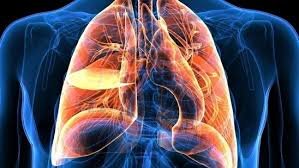
Vulnerable groups such as children, the elderly, pregnant women, and those with respiratory or heart conditions face heightened risks of hospitalisation and long-term health damage. friom prolonged exposure to toxic smog.
BY PC Bureau
New Delhi, December 13, 2025: Every winter, Delhi slips into a familiar yet deadly cycle of toxic smog, plunging air quality into the “very poor” and “severe” categories. The thick haze that blankets the city is not just an environmental problem—it is a major public health emergency. The sharp rise in fine particulate matter, especially PM2.5, combined with unfavourable weather conditions, turns the capital’s air into a slow poison, posing grave risks to everyone, particularly people who are already ill or vulnerable.
The most harmful component of Delhi’s polluted air is PM2.5—microscopic particles small enough to bypass the body’s natural defenses. These particles penetrate deep into the lungs and enter the bloodstream, triggering widespread inflammation and oxidative stress. Once inside the body, PM2.5 can affect multiple organs, including the lungs, heart, brain, and kidneys.
Health Risks to Different Groups
Respiratory System:
Exposure to toxic smog causes irritation of the airways, persistent coughing, chest tightness, wheezing, and shortness of breath. People with asthma, chronic obstructive pulmonary disease (COPD), bronchitis, or tuberculosis are at high risk of sudden flare-ups, severe breathing distress, and hospitalisation.
Cardiovascular Health:
Fine particulate matter increases the risk of heart attacks, strokes, irregular heart rhythms, and high blood pressure. It thickens the blood and inflames blood vessels, making cardiovascular events more likely—especially in people with heart disease or hypertension.
Brain health:
Exposure to toxic smog, particularly high levels of PM2.5, also poses serious risks to brain health. These ultrafine particles can enter the bloodstream and reach the brain, where they trigger inflammation and oxidative stress in neural tissues. Prolonged exposure has been linked to impaired cognitive function, memory loss, reduced attention span, and slower information processing. Studies indicate that air pollution may accelerate neurodegenerative conditions such as Alzheimer’s and Parkinson’s disease, especially among the elderly. In children, developing brains are particularly vulnerable, with polluted air associated with lower cognitive performance, behavioural issues, and potential long-term impacts on learning and mental health.
Children:
Children are particularly vulnerable because their lungs are still developing. Exposure to toxic air can permanently reduce lung capacity, increase the risk of asthma, and lead to frequent respiratory infections. Long-term exposure may affect cognitive development and overall growth.
Elderly:
Older adults face a higher risk of rapid health deterioration during severe smog episodes. Reduced lung function, weakened immunity, and pre-existing conditions make them more susceptible to respiratory failure, cardiac complications, and fatigue.
Pregnant Women:
Poor air quality is linked to increased risks of low birth weight, preterm birth, and pregnancy complications. Toxic pollutants can cross the placental barrier, affecting fetal development.
READ: Toxic Smog Engulfs Delhi as AQI Nears ‘Severe’ Zone
“During surgery, we now find black deposits even in young non-smokers, which is a change that strongly correlates with long-term exposure to polluted air,” says Dr. Arvind Kumar, founder-trustee, Lung Care Foundation.
When young professionals are leaving Delhi just to protect… pic.twitter.com/mSiMoXGPDk
— Lung Care Foundation (@icareforlungs) December 9, 2025
People with Weak Immunity:
Cancer patients, organ transplant recipients, and those with autoimmune diseases face a heightened risk of infections and complications when breathing polluted air.
Healthy Individuals:
Even people without underlying conditions may experience headaches, eye irritation, throat pain, fatigue, poor sleep, and reduced physical endurance. Long-term exposure raises the risk of chronic lung disease and heart problems later in life.
How to Minimise Health Risks
While toxic smog cannot be avoided entirely, its impact on health can be reduced through precautionary measures:
- Limit Outdoor Exposure: Avoid outdoor exercise, long walks, and physical exertion during high AQI days.
- Use Protective Masks: Wear well-fitted N95 or equivalent masks when stepping outside to reduce inhalation of fine particles.
- Stay Indoors When Possible: Keep windows and doors closed during peak pollution hours, especially early morning and late evening.
- Improve Indoor Air Quality: Use air purifiers and avoid indoor sources of pollution such as incense, candles, or smoking.
- Follow Medical Advice: People with asthma, heart disease, or other chronic illnesses should keep medications readily available and seek medical attention if symptoms worsen.
- Hydration and Nutrition: Staying well-hydrated and consuming antioxidant-rich foods may help the body cope with inflammation caused by pollution exposure.
A Silent but Serious Health Emergency
Toxic smog is not just an inconvenience—it is a direct threat to human health. Repeated exposure to high PM2.5 levels can lead to long-term damage, shorten life expectancy, and severely affect quality of life. For the sick, elderly, and children, even short-term exposure can be dangerous, underscoring the urgent need for heightened health awareness and precaution during severe air pollution episodes.