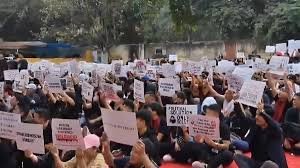
Experts argue that coordinated street-level action by the Kuki-Zo activists and people, digital advocacy, and unified messaging are essential to sustain momentum for the UT demand and counter misinformation.
By Dr.Chinkholal Thangsing
December 10, 2025: The call for constitutional protection under a Union Territory with legislature remains the most urgent political demand of the Kuki-Zo people today. It is a collective cry for safety, dignity, and a guaranteed framework of self-governance after enduring unparalleled violence, displacement, and systematic marginalization.
Yet in recent months, there has been a noticeable lull in visible public activity. The major civil society platforms, including the CSO group led by the KZC, have been quieter on the streets—no sit-ins, no rallies, no prayer gatherings, no candlelight vigils, no seminars, no peaceful public demonstrations.
Meanwhile, the Nampi Conclave has provided valuable clarity, coherence, and intellectual direction. But without equal visibility on the ground, the movement risks appearing muted at a time when national attention is most needed.
The aspiration has not faded—but visibility must be revitalized.
READ: Why Justice Swaminathan Faces Impeachment Heat?
Why Public Visibility Matters
In a democratic struggle for constitutional rights, visible presence is not symbolic—it is strategic. Public mobilization:
- Demonstrates unity and discipline
- Keeps the narrative alive nationally and internationally
- Pressures policymakers to recognize the urgency
- Counters adversarial propaganda
- Strengthens morale within the community
Silence creates a vacuum that others can easily fill with misinformation.
How should we Make the Demand Visible, Viable, and Unignorable
- Relaunch Periodic Community Mobilization
Visibility does not require daily agitation, but consistent, well-organized events:
- Candlelight vigils
- Silent marches
- Village- or town-level prayer assemblies
- Women-led peace walks
- Youth-led cultural assertion programmes
- Monthly solidarity observances for those displaced or affected
These activities keep the cause alive and demonstrate collective determination.
The Nampi Conclave Must Empower the People and Provide Active Direction
The Conclave should evolve from an advisory platform to a guiding and mobilizing force. It can:
- Offer monthly strategic direction
- Encourage synchronized symbolic actions across all districts and relief camps
- Issue unified messages for CSOs, church bodies, and youth groups
- Create communication clarity so every citizen knows what we demand and why we demand it
- Bridge intellectual leadership with grassroots energy
An empowered people, led by active and consistent direction, will revitalise the movement with purpose and discipline.
Build a Multi-Dimensional Visibility Strategy
Visibility must resonate at all levels:
Local: community meetings, peaceful gatherings, awareness sessions
National: policy briefings, media engagement, seminars in Delhi, outreach to academics and think tanks
Global: diaspora webinars, human rights networks, coordinated international advocacy
A multi-layered approach ensures momentum is never lost.
Strengthen Digital Advocacy
In an era of information warfare, digital presence equals political presence.
Key actions must include:
A central communication team to issue clear statements
- Fact-sheets, timelines, and visual explainers on the UT demand
- Short videos highlighting historical injustices and legal arguments
- Regular myth-busting responses to misinformation
- Coordinated social media campaigns with unified messaging
Digital activism sustains visibility even when physical gatherings are paused.
Deepen Church and Faith-Based Involvement
The church remains the moral anchor of the Kuki-Zo community. Their structured leadership ensures:
- Non-violent discipline
- Moral legitimacy
- Mass participation across all age groups
- Emotional and spiritual resilience
Regular prayer meetings and peace assemblies powerfully express unity and resolve.
Encourage Youth and Women to Lead
Movements gain strength when youth and women step forward.
Their creativity, clarity, and courage can reshape the narrative through:
- Peaceful demonstrations
- Storytelling and documentation
- Cultural assertion
- Digital campaigns
- Community awareness programmes
A movement that belongs to everyone is a movement that endures.
Defining the Next Steps
The struggle for constitutional protection under a UT with legislature is not a momentary protest—it is a historic journey toward justice, equality, and survival. The current lull should not be seen as weakening but as a moment to reorganize, recalibrate, and re-energize.
Visibility—disciplined, strategic, and sustained—is the heartbeat of this movement.
And as long as the Kuki-Zo people continue to speak, march, pray, and stand together, the call for constitutional protection will not and cannot be ignored.
The movement is alive.
Now it must be visible.
(Dr. Chinkholal Thangsing is the President of Lamka City of Hope and a prominent Kuki-Zo voice.)