Air raid sirens rang out across southern Israel as the Houthis signaled readiness to escalate in support of Iran, despite previously staying on the sidelines.
BY PC Bureau
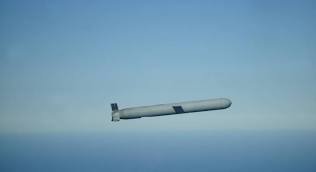
March 28, 2026: The conflict in West Asia expanded sharply early Saturday after Israel said a missile was launched from Yemen for the first time since the war began, opening a new front in an already volatile region.
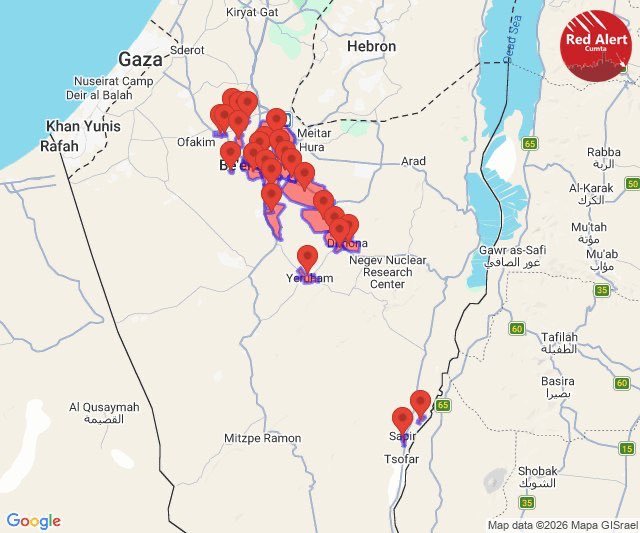
Air raid sirens sounded across southern Israel, including Beersheba and areas near the country’s main nuclear research facility, marking the third wave of alerts overnight as Iran and Hezbollah intensified cross-border fire.
The Iran-backed Houthi movement, which controls Yemen’s capital Sanaa, did not immediately claim responsibility. The group had largely stayed out of direct confrontation until now, maintaining a fragile ceasefire with Saudi Arabia after years of war.
However, in a prerecorded statement Friday, Houthi military spokesman Yahya Saree warned the group was ready for “direct military intervention” if attacks on Iran escalated.
🚨🚨🚨According to #Israeli sources, #Yemen’s #Houthis have launched missiles toward #Israel. Their entry into the war is significant not necessarily because of the scale of damage they can inflict on Israel directly, but because of the broader strategic implications. The key… pic.twitter.com/6gDEnoTwm8
— Arman Mahmoudian (@MahmoudianArman) March 28, 2026
READ: War Could End in Weeks, No Ground Troops Needed: Rubio
READ: Iran Strikes Israel, US Base in Saudi Arabia, and UAE
Israel Hits Nuclear Targets, Iran Retaliates
Hours before the Yemen strike, Israel launched attacks on key Iranian nuclear facilities, targeting sites including the Shahid Khondab heavy water complex in Arak and a uranium-processing plant in Yazd province.
Iran vowed swift retaliation. Missiles struck the Prince Sultan Air Base in Saudi Arabia, wounding at least 10 U.S. personnel and damaging aircraft, according to American officials.
Iranian Foreign Minister Abbas Araghchi warned that Israel would “pay a heavy price,” signaling a further escalation cycle already pulling multiple countries into direct confrontation.
Shipping Risks Return to Red Sea
The potential entry of the Houthis raises fears of renewed attacks on commercial shipping in the Red Sea — a vital artery through which roughly $1 trillion in goods once passed annually.
During earlier phases of the war, Houthi forces targeted over 100 merchant vessels using missiles and drones, disrupting global trade and forcing rerouting of shipping lanes.
Any renewed campaign could compound existing pressures from Iran’s control over the Strait of Hormuz — a chokepoint for a significant share of the world’s oil and gas supplies.
Fragile Diplomatic Openings Undercut
The escalation comes despite tentative signs of de-escalation. Iran had recently agreed to facilitate humanitarian and agricultural shipments through the Strait of Hormuz following discussions at the United Nations.
But diplomatic efforts remain stalled. A U.S.-backed ceasefire framework has been rejected by Tehran, which is demanding reparations and recognition of its maritime authority.
Fighting Intensifies Across Multiple Fronts
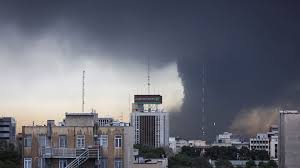
Explosions were reported in Tehran following Israeli strikes, while in Israel, emergency services responded to multiple missile impact sites in Tel Aviv and surrounding areas.
Elsewhere:
- Saudi defenses intercepted missiles targeting Riyadh
- Lebanon reported casualties amid continued clashes
- Ports in Kuwait sustained damage in strikes linked to the widening conflict
Israeli Defense Minister Israel Katz said Iran would face “increasing costs” for its actions, as Israeli forces also expanded operations into southern Lebanon against Hezbollah.
Rising Toll and Risk of Wider War
The human cost continues to climb, with thousands reported dead across Iran and Lebanon and dozens killed in Israel. U.S. troop deployments to the region are increasing, though Washington insists it can meet its objectives without ground combat operations.
Aid agencies warn the conflict risks spiraling into a humanitarian disaster, with tens of thousands of buildings damaged and large-scale displacement already underway.
With Yemen now drawn in, analysts warn the war is entering a more dangerous phase — one that threatens not only regional stability but global trade, energy markets, and food security.