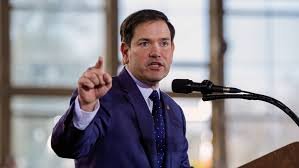
Secretary of State Marco Rubio said troop movements to the region are aimed at maintaining flexibility, not preparing for a land war.
BY PC Bureau
March 28, 2026: The United States believes its military campaign against Iran could wrap up within weeks and does not require the deployment of ground troops, Secretary of State Marco Rubio said on Friday.
Speaking after meetings with G7 counterparts in France, Rubio said US operations were progressing “on or ahead of schedule” and could conclude “in a matter of weeks, not months.” He stressed that while additional American forces are being moved into the region, the goal is to give Donald Trump greater flexibility to respond to evolving situations rather than signal a ground invasion.
His remarks come as the conflict continues to expand across the Middle East.
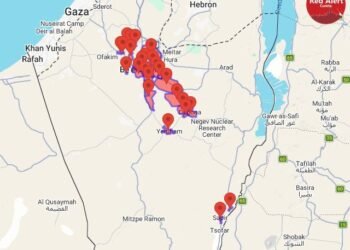
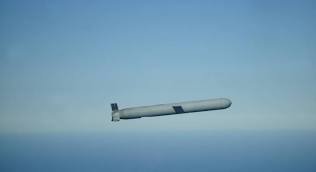
A US official told Reuters that a recent Iranian missile and drone strike on Prince Sultan Air Base in Saudi Arabia wounded 12 American personnel, including two seriously, and damaged military equipment. The attack underscores the growing risks to US assets as Iran widens its response.
US Secretary of State Marco Rubio said the US expects its war on Iran to conclude “in a matter of weeks, not months”, adding that progress is ahead of schedule and can be achieved without deploying ground troops. pic.twitter.com/6s2tvS9pKG
— Al Jazeera Breaking News (@AJENews) March 27, 2026
READ: Iran Strikes Israel, US Base in Saudi Arabia, and UAE
The war, which began on February 28 with US and Israeli airstrikes, has also rattled global energy markets. Disruptions around the Strait of Hormuz—a critical artery for nearly 20 million barrels of oil per day—have driven volatility in crude prices and broader commodity markets. Rubio warned that even after active hostilities subside, the threat of Iran imposing costs or restrictions on shipping through the strait remains a concern. He suggested that countries reliant on the route, particularly in Europe and Asia, should share responsibility for securing it.
The US has already moved thousands of Marines and airborne troops closer to the տարածաշրջան, fueling speculation about a possible escalation. However, Trump has indicated a preference for winding down the conflict and pursuing a negotiated settlement.
Trump has claimed that Iran is seeking talks, though officials in Tehran have denied any direct negotiations. He has also set a deadline for Iran to reopen the Strait of Hormuz, warning of further strikes on civilian energy infrastructure if it does not comply.
US envoy Steve Witkoff said Washington is awaiting Tehran’s response to a proposed 15-point framework aimed at ending the war, including provisions related to Iran’s nuclear and missile programmes.
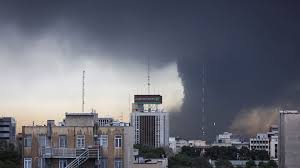
Meanwhile, strikes continue inside Iran, targeting industrial and nuclear-linked sites. Iranian authorities have said there were no radiation leaks following attacks on a uranium processing facility, a claim echoed by international monitors.
The conflict has already caused heavy losses and economic disruption. More than 1,900 people have reportedly been killed in Iran, while oil prices have surged sharply, with Brent crude rising above $112 a barrel. Fuel prices in the United States have also climbed, adding pressure to inflation.
Despite sustained airstrikes, US intelligence assessments indicate that only about one-third of Iran’s missile arsenal has been destroyed, suggesting Tehran retains significant strike capability.
As fighting continues, Gulf nations are pushing for any eventual agreement to include strict limits on Iran’s missile and drone programmes, along with guarantees to prevent future disruptions to global energy supplies.