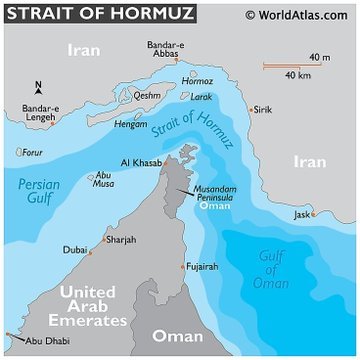
With roughly 20% of the world’s oil supply affected, the toll threatens to spike war-risk insurance premiums and intensify geopolitical friction.
BY PC Bureau
March 23, 2026 — In a bold assertion of control over one of the world’s most critical maritime chokepoints, Iran has begun charging select vessels up to $2 million for safe passage through the Strait of Hormuz, according to Iranian officials and shipping industry reports.
Tehran describes the move as the establishment of a “new sovereign regime” in the strait, coming amid intensifying tensions with the United States and Israel. The strait, through which roughly one-fifth of global oil supplies and a significant share of liquefied natural gas flow, has seen drastically reduced traffic in recent weeks due to regional hostilities and threats of blockade.
READ: As US Battles Iran, Russia Steps Up Offensive in Eastern Ukraine
Lawmaker Confirms Policy
Iranian lawmaker Alaeddin Boroujerdi, a member of parliament’s national security and foreign policy committee, confirmed the policy on state broadcaster IRIB:
“Collecting $2 million as transit fees from some vessels crossing the strait reflects Iran’s strength. Now, because war has costs, naturally we must do this and take transit fees from ships passing through the Strait of Hormuz.”
Boroujerdi framed the charges as part of a broader shift after decades of what Iran views as restraint, emphasizing that the fees demonstrate the Islamic Republic’s authority amid ongoing threats to its infrastructure.
Implementation and Enforcement
The toll appears to be managed through the Islamic Revolutionary Guard Corps (IRGC), which has reportedly established a “safe corridor” near Larak Island. Ships seeking passage must provide details on ownership, cargo, and routing, often via intermediaries. At least one private tanker operator has already paid roughly $2 million (around £1.5 million) for guaranteed transit, according to shipping intelligence firm Lloyd’s List and the Financial Times. Payments have been made in cash, cryptocurrency, or barter arrangements despite international sanctions complicating transactions.
Tehran has forced ships crossing the Strait of Hormuz to pay a $2 million fee says Boroujerdi of parliament’s national security committee
“We have established a new regime governing the Strait after 47 years,” he said smirking. “We have to fund the war”
The presenter smirks pic.twitter.com/nL4dsVSZp3
— Fazel Hawramy (@FazelHawramy) March 22, 2026
While not yet a blanket toll, the system effectively creates a two-tier approach: compliant or non-adversarial vessels (potentially from countries such as India or China) may pass for a price, while others risk detention, attacks, or denial of access. Tanker traffic has plummeted, with estimates suggesting a 95% drop from pre-conflict levels, straining global energy supplies and driving up war-risk insurance premiums.
Background and Diplomatic Implications
The announcement follows speculation that Iran would monetize its geographic leverage. Earlier this month, lawmakers including Somayeh Rafiei proposed formal “security taxes” or tolls on users of the strait for energy, shipping, and food supplies, citing Iran’s role in “providing security” in the region.
Iranian President Masoud Pezeshkian addressed the issue on social platform X:
“The illusion of erasing Iran from the map shows desperation against the will of a history-making nation. Threats and terror only strengthen our unity. The Strait of Hormuz is open to all except those who violate our soil.”
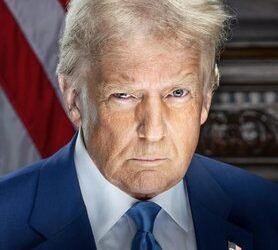
The policy escalates following U.S. President Donald Trump’s warning that the United States could strike Iranian power infrastructure—including major plants—if the strait is not reopened within a tight deadline. Iranian officials have hinted at retaliatory strikes on Israeli energy facilities or a complete closure if attacked.
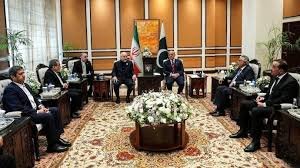
Countries such as India and China have reportedly engaged Tehran to secure transit rights for their vessels. Under international law, the Strait of Hormuz is recognized as an international strait granting transit passage rights without obstruction or fees, raising questions about the legality of Iran’s charges.
As tanker queues grow and oil prices fluctuate, the “toll-gate” approach highlights Tehran’s strategy of blending economic pressure with asymmetric warfare tactics. Experts warn that inconsistent enforcement by IRGC units could lead to further incidents and deepen divisions between Western-aligned shipping interests and non-adversarial nations willing to negotiate.
The situation remains highly volatile, with global energy markets on edge as Iran’s new “sovereign regime” in the Strait of Hormuz unfolds in real time.