Lawmaker Jim Himes flagged market turmoil following the address, noting rising oil prices and a lack of clarity in US strategy. Critics also warned of broader fallout, from instability in the Strait of Hormuz to increasing pressure on global energy markets and American consumers.
BY PC Bureau
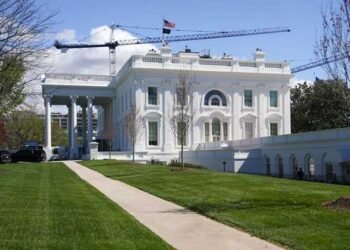
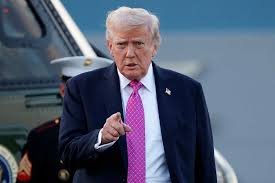
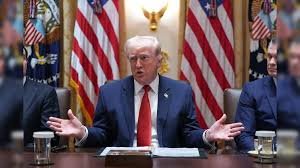
April 2, 2026: A fierce political backlash erupted after Donald Trump addressed the nation on April 1, outlining progress in the ongoing US military campaign against Iran, even as he warned of intensified strikes in the coming weeks.
In his White House speech, Trump said the operation—dubbed “Operation Epic Fury”—was nearing its core objectives, citing heavy damage to Iran’s military infrastructure and leadership. He also signalled that US forces would continue “extremely hard” attacks for another two to three weeks, while reiterating past threats to “bring them back to the Stone Age.”
READ: Trump Claims Decisive Blow to Iran, Signals War Endgame
The remarks come amid heightened global tensions, disruptions in the Strait of Hormuz, and rising oil prices, with the administration claiming significant battlefield gains while leaving the door open to negotiations under strict conditions.
Since the president’s speech an hour ago, oil prices are up $5 a barrel and stock market futures are down 1%.
Going to be a wild night on Truth Social.
And I’m still not sure what the hell he said.
— Jim Himes 🇺🇸🇺🇦 (@jahimes) April 2, 2026
However, prominent Democrats swiftly criticised the speech, calling it inflammatory, misleading, and economically damaging.
Sharp Rebukes From Lawmakers
Representative Yassamin Ansari delivered one of the most forceful responses, condemning Trump’s rhetoric as dangerous and dehumanising. Referring to his “Stone Age” comment, she said it was inappropriate language to describe a nation of millions, warning that such statements risk escalating the conflict and increasing civilian harm.
Representative Jim Himes, the top Democrat on the House Intelligence Committee, pointed to immediate economic fallout. He noted a sharp rise in oil prices following the speech and criticised what he described as a lack of clarity in the president’s remarks, suggesting they added to market uncertainty rather than easing it.
Senator Chris Van Hollen went further, accusing Trump of misleading the public about the war’s progress. He questioned earlier claims of victory, arguing that continued military operations contradicted the administration’s narrative and warning that such inconsistencies undermine public trust.
Meanwhile, Representative Lloyd Doggett focused on the economic impact, criticising Trump’s assertion that inflation remains under control. He argued that rising energy costs linked to the conflict are already affecting American households, contradicting the administration’s claims.
“We’re going to bring them back to the stone ages where they belong.”
He’s talking about a country of 90 million people. Vile, horrifying, evil. https://t.co/M6wz447jHp
— Congresswoman Yassamin Ansari (@RepYassAnsari) April 2, 2026
Wider Political Divide
The criticism underscores a broader partisan divide over the Iran conflict. While the White House maintains the campaign is necessary to neutralise a major security threat, Democrats argue it lacks clear congressional authorisation, defined objectives, and a credible exit strategy.
Concerns have also grown over the wider consequences of the war, including volatility in global energy markets, risks to international shipping routes, and the potential for prolonged regional instability.
With oil prices fluctuating and tensions in the Middle East showing little sign of easing, the debate in Washington is expected to intensify. Trump has projected confidence that the conflict will soon wind down, but critics warn that shifting goals and escalating rhetoric could deepen both economic and security risks.
As military operations continue and diplomatic efforts remain uncertain, the stark divide between the administration and its opponents reflects the high stakes of a conflict with far-reaching global implications.