BY PC Bureau
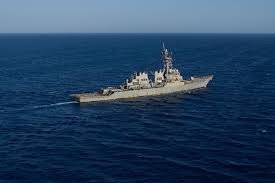
March 11, 2026: The United States Navy has rejected repeated requests from the global shipping industry for military escorts through the Strait of Hormuz since the start of the war involving Iran, citing the high risk of attacks in the region, sources familiar with the discussions told Reuters.
Shipping companies and oil traders have been seeking naval protection almost daily as tensions escalate in the Gulf, but US officials have reportedly told industry representatives that escorting commercial vessels through the narrow waterway is too dangerous under current conditions.
READ: Iran Begins Mining Strait of Hormuz, US Intelligence Warns
Shipping industry presses for naval escorts
According to sources familiar with the matter, representatives from major shipping firms have raised the issue repeatedly during regular security briefings with US naval officials since the conflict began.
During those discussions, industry executives asked whether naval convoys could be organised to help oil tankers and cargo ships safely pass through the strategically vital waterway. However, the Navy has consistently declined the requests for now, citing concerns that the threat environment remains too volatile.
Exactly contrary to Trump’s claim, Iran has written and audio evidence that the US Navy has rejected requests from the shipping industry for military escorts through the Strait of Hormuz almost every day since the start of the war against Iran, citing high risk.
— IRAN MILITARY ☫ (@IranMilitaryEN) March 11, 2026
Officials reportedly told participants that escorts could only be considered once the level of risk in the region declines significantly.
The reluctance reflects fears that naval vessels escorting commercial ships could become targets in an increasingly militarised environment involving drones, naval mines, missiles and fast attack boats.
Strategic chokepoint under growing pressure
The Strait of Hormuz remains one of the world’s most critical energy arteries, connecting the Persian Gulf with global markets. Roughly one-fifth of the world’s crude oil and a significant share of liquefied natural gas shipments pass through the narrow maritime corridor.
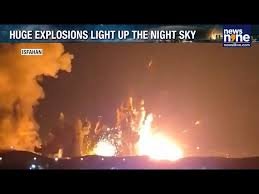
Since hostilities escalated between United States, Israel and Iran, shipping traffic through the strait has slowed, with some vessels delaying transit while insurers raise premiums for voyages through the Gulf.
Energy markets have reacted nervously to the developments, with fears that prolonged disruption could trigger supply shocks and drive global oil prices higher.
Iran-backed claim contradicts Trump remarks
Meanwhile, an account linked to an independent Iranian defence website, Iran Military, said evidence exists that the US Navy has declined escort requests from the shipping industry.
Posting on X (formerly Twitter), the account wrote:
“Exactly contrary to Trump’s claim, Iran has written and audio evidence that the US Navy has rejected requests from the shipping industry for military escorts through the Strait of Hormuz almost every day since the start of the war against Iran, citing high risk.”
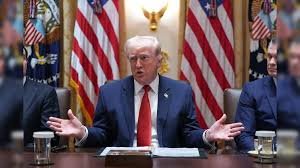
The claim appeared to contradict earlier statements by US President Donald Trump suggesting that Washington could deploy naval escorts if necessary to ensure the safe passage of tankers through the strait.
Rising risks in the Gulf
Military analysts say escort missions in the Strait of Hormuz are inherently complex due to the narrow geography of the channel and the range of threats that could be deployed from land, sea or air.
The possibility of naval mines, missile strikes or swarming attacks by small boats makes protecting slow-moving oil tankers particularly challenging even for heavily armed warships.
For now, US naval officials are said to be monitoring the situation closely and exploring possible security measures, but sources indicate that regular military escorts remain unlikely unless the threat level in the region drops.