The reported systems, likely shoulder-fired MANPADS, could pose a renewed threat to low-flying aircraft if fighting resumes in the region.
BY PC Bureau
April 12, 2026: Fresh U.S. intelligence assessments suggest that China could be preparing to supply new air defence systems to Iran in the coming weeks, according to multiple sources familiar with the findings, reports CNN.
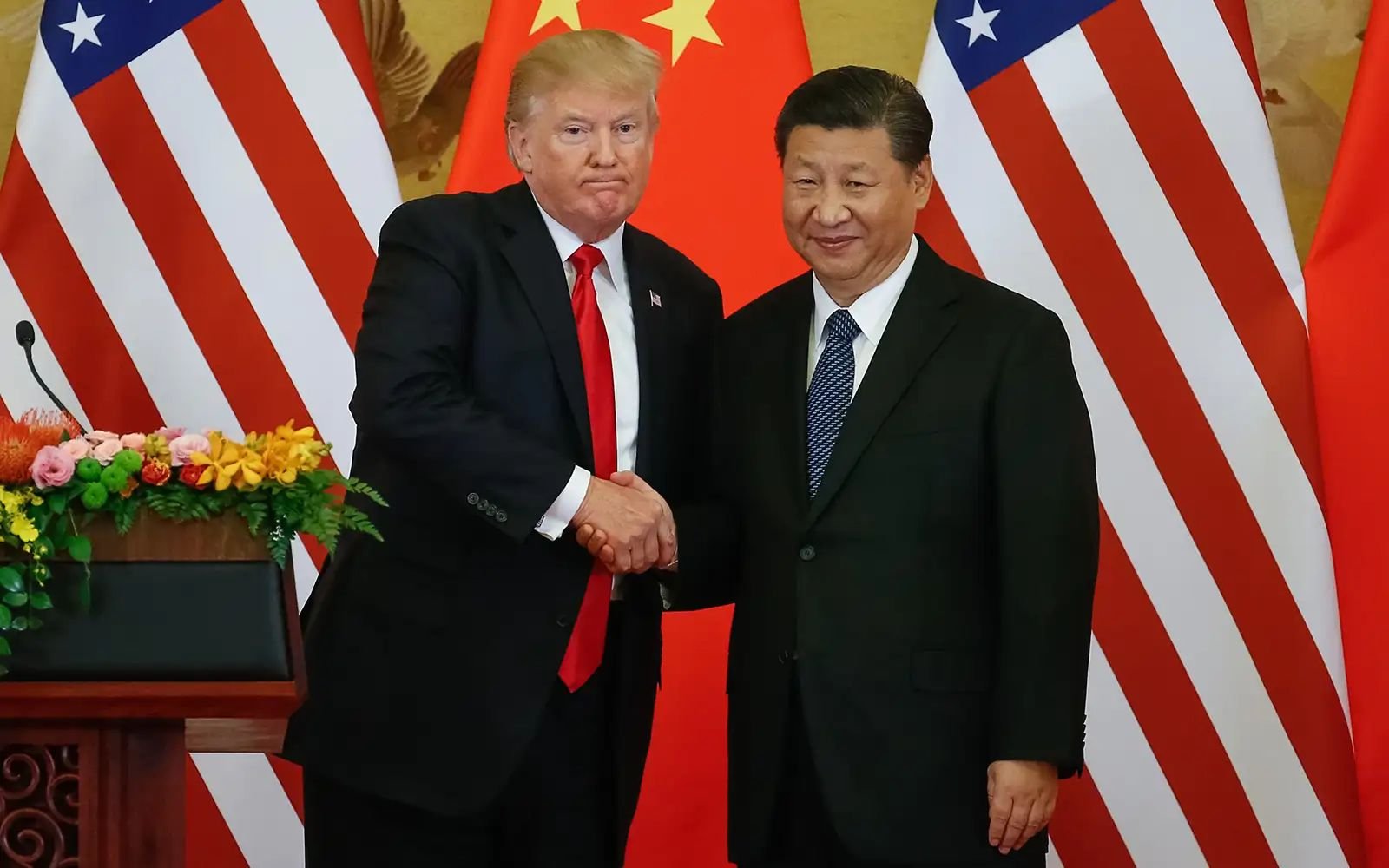
The reported move would be particularly sensitive given Beijing’s recent role in helping broker a fragile ceasefire between Iran and the United States. It also comes just weeks before U.S. President Donald Trump is expected to travel to China for high-level talks with President Xi Jinping.
Officials believe Tehran may be using the ceasefire period to rebuild parts of its military capability, potentially with backing from key allies. Intelligence inputs further indicate that any Chinese shipments could be routed through third countries to conceal their origin.
READ: US-Iran Talks Collapse After 21-Hour Marathon in Pakistan
The systems under discussion are said to be MANPADS — portable, shoulder-fired surface-to-air missiles — which proved effective against low-flying aircraft during the recent conflict and could pose a renewed threat if hostilities resume.
Reacting to the reports, Trump warned that Beijing would face “serious consequences” if it went ahead with supplying weapons to Iran, though he did not confirm whether the issue had been directly raised with Xi.
China has firmly rejected the allegations. A spokesperson for its embassy in Washington said Beijing has “never provided weapons to any party” involved in the conflict, dismissing the claims as unfounded and urging the U.S. to avoid escalating tensions.
The development comes amid lingering uncertainty over Iran’s current air defence capabilities. Trump recently claimed a U.S. F-15 jet shot down during the conflict was hit by a heat-seeking, shoulder-fired missile, while Tehran has only said it used a “new” system without disclosing details. It remains unclear whether any such equipment was linked to China.
Analysts note that a direct transfer of MANPADS would signal a step-up in Chinese involvement, moving beyond the supply of dual-use technologies toward more explicit military support.
However, intelligence sources suggest Beijing is unlikely to openly enter the conflict. Instead, it appears to be carefully balancing its strategic interests — maintaining strong ties with Iran, a major oil supplier, while avoiding direct confrontation with Washington and preserving plausible deniability.
Iran continues to maintain close military and economic links with both China and Russia, reflecting a broader alignment that has shaped regional and global dynamics in recent years.