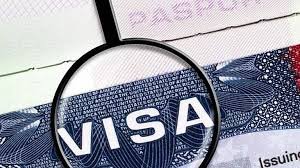
The suspension affects multiple visa categories and has led to cancellations and delays at U.S. embassies and consulates worldwide.
BY PC Bureau
January 14, 2026: U.S. Secretary of State Marco Rubio has ordered an indefinite suspension of foreign visa processing for nationals from 75 countries, marking one of the most sweeping restrictions on U.S. entry in recent years and signalling a sharp tightening of immigration and security policy under the Trump administration.
According to the directive, U.S. embassies and consulates have been instructed to halt visa processing for applicants from the affected countries until further notice. The move applies across multiple visa categories and is described as an administrative freeze rather than a permanent ban, though no timeline has been announced for a review or rollback.
The countries impacted span multiple regions, including South Asia, the Middle East, Africa, Eastern Europe, Central Asia, the Caribbean, and Latin America. Among them are Afghanistan, Bangladesh, Pakistan, Iran, Iraq, Syria, Russia, Nigeria, Egypt, Ethiopia, Haiti, Cuba, Nepal, Sri Lanka, Morocco, Sudan, Somalia, and Yemen, along with dozens of others.
🔔 #BREAKING : United States issues an INDEFINITE PAUSE for the processing of all Visa Applications from 75 countries including Pakistan , Afghanistan and Bangladesh as it reassesses who it wants to permit entry into the US.
Full list of countries below: pic.twitter.com/CXJ1dwUkDZ
— Sharadh Shama Sharma ( Professor ) (@PyaraBetaa) January 14, 2026
READ: Trump Calls U.S. Control of Greenland ‘Vital’ for Golden Dome Defense
READ: Trump Calls U.S. Control of Greenland ‘Vital’ for Golden Dome Defense
Officials familiar with the decision say the freeze is tied to what the State Department describes as enhanced national security vetting, documentation verification, and compliance reviews involving identity management, data sharing, and overstay enforcement. However, the department has not publicly released detailed criteria explaining why the specific countries were selected.
The decision has already begun to disrupt travel plans for students, tourists, workers, and families, with visa appointments reportedly cancelled or placed on indefinite hold at several diplomatic missions. Immigration attorneys and advocacy groups have warned that the measure could leave thousands of applicants in limbo, particularly those seeking family reunification or educational opportunities in the United States.
The freeze also raises diplomatic concerns, especially for countries that maintain strategic, economic, or security partnerships with Washington. Several governments are expected to seek clarification through diplomatic channels, while others may consider reciprocal measures.
Critics argue that the broad scope of the suspension risks reviving perceptions of discriminatory immigration policy and undermining U.S. credibility abroad. Supporters, however, contend that the move is necessary to protect national security and ensure that U.S. visa systems are not exploited.
The State Department has not indicated whether humanitarian exemptions, emergency travel, or case-by-case waivers will be permitted, nor has it clarified how long the suspension is expected to remain in effect.
As the policy takes hold, its legal, diplomatic, and humanitarian implications are likely to become a major point of debate both within the United States and internationally.