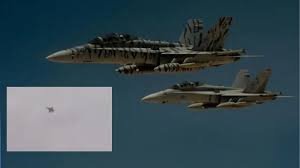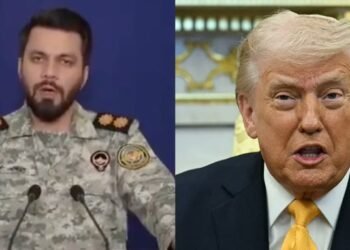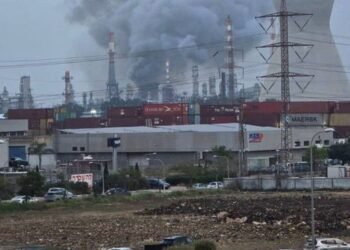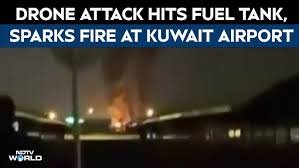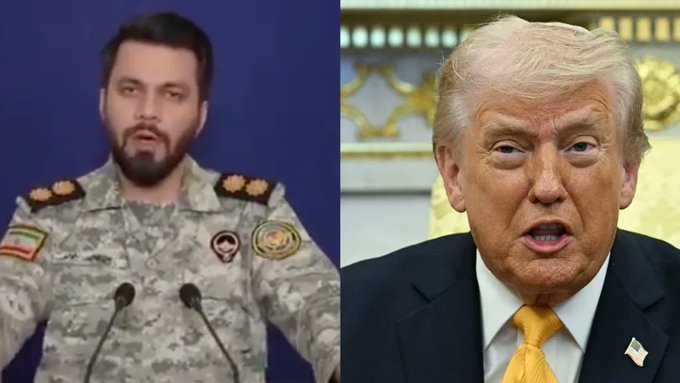
Trump has also delayed potential strikes on Iranian power infrastructure to allow more time for negotiations, citing “major points of agreement” already in place.
BY PC Bureau
March 25, 2026 — Donald Trump issued one of his starkest warnings yet to Iran on Tuesday, declaring that the United States is prepared to “unleash hell” on Iranian energy infrastructure if ongoing diplomatic efforts fail.
Deadline Delayed as Talks Continue
Hours before a previously indicated deadline for potential strikes, Trump announced a five-day pause to allow indirect negotiations to proceed.
“We’ve had very good and productive conversations,” he said, suggesting that both sides are nearing agreement on key issues. He also hinted at positive signals from Tehran regarding oil and gas flows through the Strait of Hormuz, framing them as evidence that Iran may be open to compromise.
Despite the pause, Trump made clear that military options remain firmly on the table if talks collapse.
READ: Deadlock: US 15-Point Ultimatum vs Iran’s 3 Red Lines
15-Point Plan at the Core of Negotiations
At the center of the diplomatic effort is a comprehensive U.S. proposal reportedly conveyed through intermediaries. The framework calls for Iran to:
- Permanently abandon any pursuit of nuclear weapons
- Scale back or dismantle its nuclear program
- Halt ballistic missile development
- End support for regional proxy groups
- Guarantee free navigation through the Strait of Hormuz
In return, Washington has indicated it could consider phased sanctions relief and limited civilian nuclear cooperation, contingent on strict verification.
Leavitt: “President Trump does not bluff … any violence beyond this point will be because the Iranian regime refused to understand they have already been defeated” pic.twitter.com/siWhW4yEp3
— Aaron Rupar (@atrupar) March 25, 2026
Iran Pushes Back Publicly
Iranian officials have dismissed U.S. claims of progress, denying that formal negotiations are underway and accusing Washington of manufacturing a narrative of diplomacy.
Tehran has also outlined its own demands, including the lifting of all sanctions, compensation for damages, and a reduced U.S. military presence in the Gulf region. Publicly, its stance remains defiant, though analysts suggest there may be divisions within the Iranian leadership over how far to engage.
Global Stakes Rise
The Strait of Hormuz remains the central flashpoint in the standoff. Roughly 20% of global oil shipments pass through the narrow waterway, making any disruption a major risk to global energy markets.
The United States has continued to bolster its military presence in the region, underscoring the dual-track strategy of pressure and diplomacy.
As the five-day window unfolds, the situation remains highly fluid. Whether Trump’s mix of threats and negotiation produces a breakthrough — or triggers further escalation — may become clear in the days ahead.