US President Donald Trump said Washington could consider negotiations with Iran, though any talks would depend on the terms offered by Tehran as tensions continue to rise.
BY PC Bureau
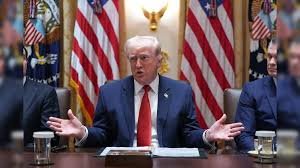
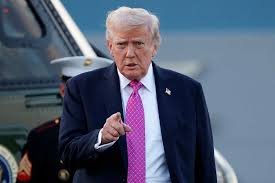
March 10, 2026: Donald Trump indicated that the United States could be open to negotiations with Iran, though he stressed that any dialogue would depend on the terms offered by Tehran. The remarks mark a softer tone compared with his earlier warnings of harsh military retaliation against the country.
In an interview with Fox News, Trump said he had received indications that Iranian officials “badly want to talk,” suggesting the possibility of diplomatic engagement amid the escalating conflict.
However, the US president did not specify what conditions Washington would set before entering into talks with Tehran.
Trump also renewed his criticism of Iran’s newly appointed Supreme Leader, Mojtaba Khamenei, saying, “I don’t believe he can live in peace.”
The comments come as tensions remain high following recent US military operations against Iran. Trump described the outcome of those strikes as “way beyond expectation,” and said he was surprised that Iran had responded by launching missiles and drones toward Gulf countries during the ongoing crisis.
TRUMP SAYS POSSIBLE TO TALK TO IRANIANS: FOX NEWS
Trump continues to push oil prices downward.
Now Trump says he is open to talks with Iran.
If only Iran could send him the location of the new leader… pic.twitter.com/O1Y7zIrplM
— Russian Market (@runews) March 10, 2026
Earlier, Trump had adopted a far more aggressive stance, warning that the United States would respond “twenty times harder” if Iran attempted to disrupt global oil shipments through the Strait of Hormuz, a critical passageway for international energy supplies.
In social media posts and press briefings, he had also threatened to target Iranian assets in ways that would make it “virtually impossible” for the country to rebuild if Tehran escalated the conflict.
READ: Putin Offers Mediation to Ease Iran Conflict
Meanwhile, the ongoing US military campaign has come at a significant cost. According to US officials cited by The Washington Post, the Pentagon expended roughly $5.6 billion worth of munitions in the first 48 hours of its assault on Iran.
The scale of spending has triggered concerns among some members of Congress about the rapid depletion of advanced US weapons stockpiles as the conflict continues.
The situation remains volatile as diplomatic signals and military actions unfold simultaneously, raising questions about whether the confrontation could shift toward negotiations or spiral into a broader regional conflict.