President Trump accused Tehran of “world extortion” and vowed to stop all shipping linked to Iranian-controlled tolls in the vital oil route.
BY PC Bureau
April 12, 2026: President Donald Trump declared on Sunday that the United States Navy will immediately begin blockading the Strait of Hormuz, a critical chokepoint for global oil shipments, following the collapse of marathon peace negotiations with Iran in Islamabad, Pakistan.
In a strongly worded post on Truth Social, Trump stated: “Effective immediately, the United States Navy, the Finest in the World, will begin the process of BLOCKADING any and all Ships trying to enter, or leave, the Strait of Hormuz.” He accused Iran of “world extortion” over its actions in the waterway and said the US would also interdict vessels in international waters that had allegedly paid tolls to Tehran. Other countries are expected to participate in the operation, according to the president.
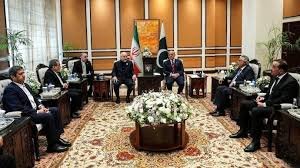
The announcement came hours after high-stakes talks between US and Iranian negotiators in Islamabad ended without a long-term agreement. The negotiations, which reportedly stretched over 21 hours, were aimed at solidifying a fragile two-week ceasefire and addressing broader issues in the ongoing conflict. US officials blamed the deadlock on Iran’s refusal to abandon its nuclear ambitions and disputes over control of the Strait of Hormuz, while Iranian sources pointed to disagreements on multiple fronts, including Tehran’s nuclear stockpile.
READ: Talks Fail, Tensions Rise: What Next in West Asia Crisis?
Blockade Risks Global Oil Shock
The Strait of Hormuz, which connects the Persian Gulf to the Arabian Sea, is one of the world’s most vital energy arteries. Roughly one-fifth of global oil trade and significant volumes of liquefied natural gas pass through its narrow waters daily. Iran has already effectively restricted shipping in the area amid the conflict, prompting Trump’s escalation. Trump also emphasized that US and allied forces would sweep for mines allegedly laid in the region.
Analysts warn that a sustained naval blockade could trigger sharp spikes in oil and gas prices worldwide, disrupt supply chains for energy, fertilizers, and other commodities, and risk direct naval confrontation. Shipping has already been severely affected, with hundreds of tankers reportedly stranded or avoiding the route.
Trump Orders U.S. Navy Blockade of Strait of Hormuz as Nuclear Talks With Iran Collapse
Washington announces immediate naval action to block all vessels entering or leaving the strategic waterway, warning Iran of overwhelming military retaliation as tensions over nuclear… pic.twitter.com/ljApFVsePP
— Washington Eye (@washington_EY) April 12, 2026
Stalled Talks and Nuclear Tensions
Vice President JD Vance, who participated in the Islamabad meetings, described the outcome as disappointing but suggested Iran might eventually return to negotiations. “The bad news is that we have not reached an agreement,” Vance reportedly said, while expressing hope for future progress.
Sources familiar with the discussions said key sticking points included limits on Iran’s nuclear program, verification of its nuclear stockpile, and future governance of the Strait of Hormuz. Both sides blamed each other for the impasse, with the US demanding stronger commitments to prevent Iran from developing nuclear weapons, and Iran accusing Washington of making unreasonable demands.
Renewed Military Threats
Trump reiterated his willingness to use overwhelming force if no deal is reached. He has previously warned that the US military could “finish up the little that is left of Iran” and suggested the country “could be taken out in one day” or even “one night.” Among potential targets he has referenced in recent statements are Iranian power plants, bridges, desalination facilities, oil infrastructure such as Kharg Island, and other economic assets.
In earlier posts and remarks, Trump has used blunt language, including threats of “Power Plant Day and Bridge Day,” and warnings that failure to reopen the strait would leave Iran “living in hell.” While administration officials have framed these statements as leverage for negotiations, critics and some international law experts have raised concerns about the legality of targeting civilian infrastructure such as power plants and desalination facilities.
Trump concluded his latest message by stating that the US military is “fully LOCKED AND LOADED” and ready to act decisively if diplomacy continues to fail.
Global Reactions and Outlook
The developments have heightened fears of a wider regional conflict involving the US, Iran, and potentially Israel, which has been engaged in related hostilities. Markets are expected to react sharply, with oil prices likely to surge at the start of trading.
Iran has so far responded defiantly, calling the US approach a “self-made problem” and insisting that diplomacy remains the only viable path forward, while warning of readiness for any scenario.
As the fragile ceasefire hangs in the balance, the coming days will test whether US pressure brings Iran back to the negotiating table or pushes the confrontation into a more dangerous phase. International observers are urging restraint to avoid a full-scale disruption of global energy supplies.