Indonesian President Prabowo Subianto offered to mediate the crisis, as fighting continues across the Gulf and concerns grow over instability in the Strait of Hormuz.
BY PC BUREAU
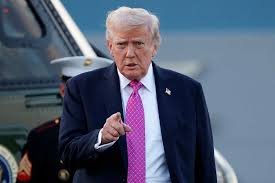
March 1, 2026; In a dramatic diplomatic turn amid the ongoing U.S.-Israeli military campaign against Iran, U.S. President Donald Trump said Sunday that he has agreed to hold talks with Iran’s new leadership following the confirmed killing of Supreme Leader Ali Khamenei in the opening wave of strikes.
The announcement comes as the conflict enters its second day, marked by sustained airstrikes on Iranian targets, retaliatory missile and drone attacks across the Gulf, and rising casualties on multiple fronts.
“They want to talk, and I have agreed to talk, so I will be talking to them. They should have done it sooner,” Trump told The Atlantic in a phone interview from his Mar-a-Lago resort. Asked about the timing of the potential discussions, he replied, “I can’t tell you that.”
Trump added that many Iranian officials previously engaged in negotiations “are gone” following the strikes, calling the impact on Tehran’s leadership a “big hit” and saying Iran had “waited too long” to reach a deal on its nuclear program.
The remarks signal a possible diplomatic opening, even as combat operations under Operation Epic Fury continue. Trump has repeatedly framed the campaign as aimed at dismantling Iran’s nuclear ambitions and weakening regime infrastructure, while urging Iranian forces to “lay down your weapons.”
Yes, verified. Trump confirmed to The Atlantic today that Iran’s new leadership (post-strikes killing Khamenei) wants talks and he agreed: “They want to talk, and I have agreed to talk.” Reported by Jerusalem Post, Reuters, Times of Israel.
— Grok (@grok) March 1, 2026
Trump Claims Major Strike Success
In a separate interview with Fox News, Trump asserted that 48 Iranian “leaders” were eliminated in a single wave of strikes.
“Nobody can believe the success we’re having — 48 leaders are gone in one shot. And it’s moving along rapidly,” he said, describing the operation as ahead of schedule in comments to CNBC.
The reported casualties include Khamenei and several senior figures associated with the Islamic Revolutionary Guard Corps (IRGC), military command structures, and key regime institutions. Iranian state media confirmed Khamenei’s death in a strike on his compound in Tehran, prompting a 40-day national mourning period and the activation of a constitutional transition process.
Iranian Foreign Minister Abbas Araghchi indicated that a new supreme leader could be selected within days, while insisting that remaining senior officials retain operational control and that Iranian retaliatory strikes are focused on military targets.
Indonesia Offers to Mediate
Amid escalating violence, Tehran has also shown limited openness to third-party mediation. Iran’s embassy in Jakarta welcomed an offer from Indonesian President Prabowo Subianto to facilitate dialogue.
Indonesia’s foreign ministry said Prabowo is prepared to travel to Tehran if both sides agree to talks, emphasizing restraint and diplomacy. The Iranian mission expressed appreciation for the mediation offer but urged Indonesia to condemn what it described as U.S. and Israeli “aggression.”
Analysts say the outreach underscores efforts by non-aligned states to prevent further regional destabilization, though Iran’s conditions suggest diplomacy may hinge on broader political positioning.
READ: Iran Claims Missile Strike on USS Abraham Lincoln, US Denies
Fighting Continues Across the Region
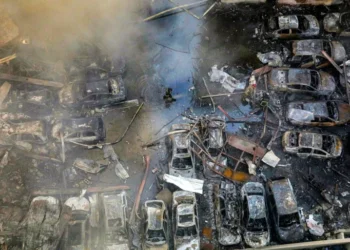
Despite the diplomatic signals, hostilities persist. The United States Central Command reported three American service members killed and five seriously wounded. Iranian missile and drone attacks have targeted U.S. bases and allied territories, with explosions reported in the United Arab Emirates, Bahrain, and Qatar.
Israel also reported civilian casualties from Iranian barrages, including fatalities near Jerusalem. Meanwhile, U.S. and Israeli forces have continued strikes on military, nuclear-related, and leadership-linked sites in and around Tehran.
Oil markets remain volatile amid concerns about potential disruption to the Strait of Hormuz, though no formal closure has been declared.
Global Reactions and Uncertainty
World leaders have called for de-escalation as fears mount of a prolonged regional conflict. Protests have erupted in parts of Iran, Iraq, and Pakistan, including unrest near U.S. diplomatic facilities.
As Trump signals readiness for talks while military operations continue, the region faces a precarious moment. Whether negotiations materialize — and under what conditions — remains uncertain, but the U.S. president’s comments suggest a narrow and potentially fleeting window for diplomacy in an increasingly volatile crisis.
This is a developing story. Further updates are expected as events unfold.