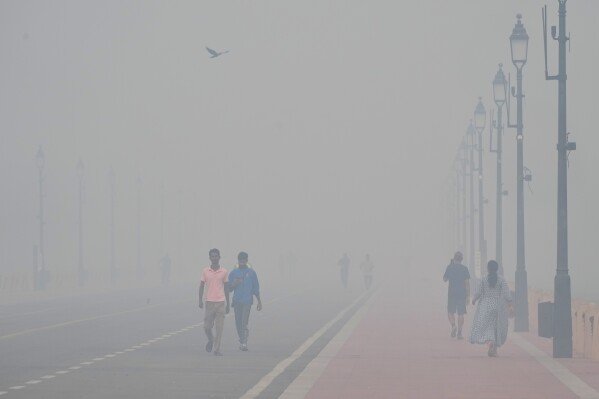
A mix of toxic smog and shallow fog reduced visibility across the national capital and pushing AQI near severe zone, prompting the Delhi Airport to implement low-visibility procedures while flight operations remained normal.
BY PC Bureau
New Delhi, December 13, 2025: A dense blanket of smog covered Delhi and its neighbouring regions on Saturday morning, pushing the city’s air quality to alarming levels. The latest readings from the Central Pollution Control Board (CPCB) placed Delhi’s average Air Quality Index at 390, categorized as “very poor,” with several pockets slipping into the “severe” zone.
Neighbourhoods such as Anand Vihar, Ghazipur, Jahangirpuri, and Rohini were among the most affected, each recording AQI levels well above 430. Other areas including Chandni Chowk, Burari Crossing, and RK Puram also clocked dangerously high readings. Any value above 400 is officially deemed “severe,” posing a significant threat to human health.
The combination of heavy smog and shallow fog drastically reduced visibility across the city’s roads during the morning rush, raising commuter safety concerns and potential risks for air transport. According to CPCB guidelines, air quality in India is classified from “good” (0–50) to “severe” (401–500), with escalating health risks as the numbers rise.
#AirEmergency: *HAZARDOUS* air this morning in Delhi! Woke up at 7 AM and saw an apocalyptic view outside. Within five minutes of leaving the purified room had a mild headache. A thick blanket of smog engulfs the city.
The MOST DANGEROUS PM2.5 levels is 30 TIMES the WHO safe… pic.twitter.com/4q4PT2s8kg
— Saurav Das (@SauravDassss) December 13, 2025
Doctors have warned that prolonged exposure to polluted air can lead to serious respiratory and cardiovascular complications. Even those without pre-existing conditions may experience irritation of the eyes, throat, and lungs. Delhi’s recurring winter problem, experts say, stems from a complex mix of vehicle emissions, industrial activities, construction dust, crop residue burning, and stagnant weather conditions that prevent pollutant dispersal.
READ: LG Approves Honorary Rank Upgrade for 88,000 Delhi Police Personnel
Friday’s average AQI was slightly lower at 386, though the haze remained thick in several localities. Any temporary improvements, officials added, tend to vanish quickly when wind speeds dip and temperatures fall.
As a precaution, the Indira Gandhi International Airport activated low-visibility protocols early Saturday, assuring that “all operations remain normal” while advising passengers to check flight updates directly with airlines. Authorities warned that if haze intensifies, flight schedules could face disruption.
Meanwhile, the worsening smog has once again become a flashpoint in the political arena, with different administrations accusing one another of ineffective planning and inadequate enforcement. Environmental specialists continue to advocate for sustained, data-driven action over reactive short-term measures.
Meteorological forecasts indicate little relief ahead, with the air likely to stay “very poor” to “severe” unless rainfall or stronger winds help clear the atmosphere. Residents have been urged to minimize outdoor exposure, wear N95 masks when stepping out, and follow ongoing health advisories as Delhi battles yet another grim bout of toxic winter air.
AQI STATUS | DELHI AREAS (8:00 AM)
┌───────────────────┬──────┬───────────┐
│ Area │ AQI │ Category │
├───────────────────┼──────┼───────────┤
│ Anand Vihar │ 435 │ Severe │
│ Ghazipur │ 435 │ Severe │
│ Jahangirpuri │ 442 │ Severe │
│ Rohini │ 436 │ Severe │
│ Chandni Chowk │ 419 │ Severe │
│ Burari Crossing │ 415 │ Severe │
│ RK Puram │ 404 │ Severe │
├───────────────────┼──────┼───────────┤
│ Overall Delhi AQI │ 390 │ Very Poor │
└───────────────────┴──────┴───────────┘
AQI Categories (CPCB):
Good (0–50) | Satisfactory (51–100) | Moderate (101–200) | Poor (201–300) | Very Poor (301–400) | Severe (401–500)