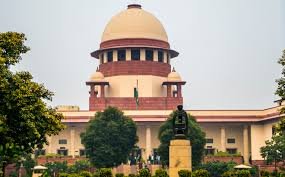
With thousands displaced and high-profile CBI cases of manipur violence pending, the SC suggests oversight by the Manipur and Gauhati High Courts to expedite justice.
BY PC Bureau
New Delhi, February 13, 2026 – Nearly three years after ethnic violence erupted in Manipur, leaving over 200 dead, hundreds injured, and thousands displaced, the scars of brutality remain painfully visible. The Supreme Court of India on Tuesday intensified pressure on authorities, directing the Central Bureau of Investigation (CBI) to file a detailed status report within two weeks on its probe into 11 First Information Reports (FIRs) linked to the 2023 clashes.
The bench, led by Chief Justice Surya Kant and Justice Joymalya Bagchi, highlighted the growing concern over delays in prosecution, the failure to hold accused individuals accountable, and the inadequate support provided to survivors of sexual violence, gangrapes, and other horrific crimes committed during the unrest.
Alarming Testimonies from Victims’ Representatives
Senior advocate Vrinda Grover, representing victims—including the family of a Kuki woman who recently died—brought attention to systemic negligence. She alleged that in one rape case, the victim was never informed about the filing of a chargesheet, while the main accused failed to appear in court, and the CBI was frequently absent from proceedings. Grover linked the woman’s recent death to trauma and illness stemming from the assault, describing the situation as “shocking and unacceptable.”
Senior advocate Colin Gonsalves, representing a Kuki tribal forum, stressed that rehabilitation efforts recommended by the court-appointed Justice Gita Mittal committee had largely stalled. He pointed out that the 27 reports submitted by the committee—which also includes former judges Justices Shalini P. Joshi and Asha Menon—were not shared with the affected tribal communities. Gonsalves urged redaction of sensitive sections to allow transparency without compromising security.
READ: Congress Surges Ahead in Telangana Civic Polls, BJP Third
Supreme Court Orders Swift Action
The bench ordered the CBI to submit a comprehensive status report detailing whether sufficient evidence exists to prosecute the accused and to ensure victims or their families receive copies of chargesheets as mandated by law. The court emphasized that justice delayed is justice denied, particularly in cases involving sexual violence and communal targeting.
The Supreme Court also recommended transferring oversight of trials from direct Supreme Court supervision to the Manipur High Court, the Gauhati High Court, or a coordinated mechanism involving both. This step is aimed at ensuring fair trials, addressing local sensitivities, and preventing procedural lapses that have frustrated victims and delayed justice.
Victim-Centric Measures and Legal Aid
The court stressed the importance of providing free legal aid and quality representation to victims. In areas where local lawyers may be unable or unwilling to operate due to security concerns, counsel from the Gauhati Bar could be engaged. Authorities were also reminded to implement the Mittal committee’s recommendations on relief, rehabilitation, and welfare measures for displaced families and survivors.
Solicitor General Tushar Mehta, representing the Centre, assured the court that victims’ rights would not be compromised and expressed support for shifting monitoring responsibilities to the high courts to improve oversight.
READ: Peace Returning: Manipur Lifts Internet Suspension in Hill Districts
A Crisis Years in the Making
Despite the Supreme Court’s early interventions—including transferring sensitive cases to the CBI and setting up the Mittal committee to oversee humanitarian relief—victims continue to face delayed prosecutions, stalled rehabilitation, and a lack of transparency. No major convictions have been recorded in the high-profile cases, deepening communal divides and undermining trust in the justice system.
The apex court’s latest intervention, with a follow-up hearing scheduled for February 26, 2026, underscores the judiciary’s resolve to break the cycle of impunity in one of India’s most protracted ethnic conflicts. While procedural oversight and security remain priorities, the urgent need to deliver justice and timely aid to victims has never been clearer.