With the Strait of Hormuz paralyzed by Iranian forces, this massive injection of liquidity by IEA aims to cap crude prices below the $100-per-barrel mark, buying the West a critical twelve-day window as the war intensifies.
By PC Bureau
March 11, 2026: In a desperate bid to prevent a total collapse of the global economy, the International Energy Agency (IEA) on Wednesday authorized the release of 400 million barrels of oil from strategic reserves—the largest emergency intervention in the organization’s 52-year history.
The move comes as the conflict between the U.S.-Israeli coalition and Iran enters its second week of high-intensity warfare, paralyzing the Strait of Hormuz and choking off 20% of the world’s daily petroleum supply.
A Chokepoint Under Siege
The energy market has been in freefall since the February 28 joint strikes that decapitated the Iranian leadership. In retaliation, Tehran’s remaining military command enacted a “doomsday” blockade of the Strait of Hormuz. While crude prices briefly touched $100 per barrel earlier this week, the IEA’s announcement sparked a cautious retreat, with Brent futures dipping 1% to $87.91 in mid-day trading.
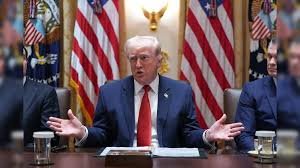
In Washington, President Donald Trump took to social media to project confidence, dismissing reports of sophisticated Iranian naval mines as “fake news.”
“We’ve destroyed 10 of their mine-laying boats already,” the President posted on X. “This war will be over very soon, and Iran will never threaten the world again.” White House Press Secretary Karoline Leavitt reinforced the stance, telling reporters the administration is committed to “extinguishing the Iranian threat once and for all.”
READ: India-Bound Thai Cargo Carrier Attacked in Strait of Hormuz
.@IEA member countries will release 400 million barrels of oil into the global market to offset supply lost from the effective closure of the Strait of Hormuz. I asked French Minister Delegate for European Affairs @BenjaminHaddad how France will respond: (1/3) pic.twitter.com/5wqLCgyr9v
— Becky Anderson (@BeckyCNN) March 11, 2026
Japan and Germany Lead the Surge
While the IEA coordinated the global response, Japan moved unilaterally to shore up its domestic security. Prime Minister Sanae Takaichi announced that Tokyo would begin tapping its private-sector and national reserves—roughly 45 days’ worth of supply—starting March 16.
“We cannot wait for formal approvals while our energy security is at risk,” Takaichi said in a televised address to a nation that remains one of the world’s most vulnerable oil importers.
In Berlin, the transition to the new government has not slowed the emergency response. Chancellor Friedrich Merz’s administration confirmed Germany will release 2.4 million tons from its federal stockpiles. However, the Chancellor has reportedly expressed private concerns to G7 allies regarding the lack of a “clear exit strategy” for the ground and air campaign currently unfolding in the Persian Gulf.
Market Outlook: Relief vs. Reality
| Factor | Downward Price Pressure | Upward Price Pressure |
| Emergency Reserves | IEA’s 400M barrels flood the market with short-term liquidity. | If seen as a “last resort,” the release may trigger panic buying. |
| Geopolitical Risk | Successful U.S. minesweeping could reopen transit lanes. | Prolonged blockade removes 20M+ barrels/day from circulation. |
| Refined Products | Global diesel inventories currently remain stable. | Protracted war risks damage to regional refineries and “green” infrastructure. |
A Region on the Brink
The human cost of the escalation continues to mount. Total fatalities from the conflict have surpassed 1,300, including a devastating strike on a girls’ school in Minab that has sparked international outcry.
Inside Iran, the atmosphere is combustible. Security officials have warned that anti-government protesters—emboldened by Israeli Prime Minister Benjamin Netanyahu’s calls for a “Persian Spring”—will be treated as “enemies of the state.”
While the IEA’s massive 400-million-barrel cushion may buy the global economy twelve days of breathing room, Goldman Sachs analysts warn that the reprieve is “fragile.” Should the Strait of Hormuz remain closed beyond the end of March, the “geopolitical risk premium” could become embedded, potentially pushing fuel prices to record highs regardless of reserve levels.
For now, the world waits to see if the IEA’s historic gamble can stabilize a market currently dictated by the fog of war.