Despite agreeing to participate in talks in Islamabad, Iran has made it clear it remains deeply skeptical of the United States and its intentions in the negotiations.
BY PC Bureau
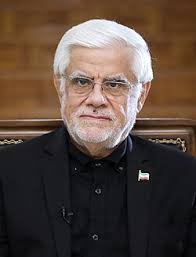
April 8, 2026 — Iran’s Vice President Mohammad Reza Aref has welcomed Pakistan’s mediation in securing a temporary ceasefire in the conflict involving the United States and Israel, but made it clear that Tehran will approach upcoming negotiations with deep distrust of Washington.
In a statement released Wednesday, Aref said Iran would take part in the Islamabad talks “seriously and with full authority,” while cautioning that the United States cannot be taken at face value. He stressed that the purpose of the negotiations is to translate what Iran views as military gains into firm diplomatic outcomes.
Aref credited Iran’s resilience during the weeks-long conflict to the ideological foundation laid by Ali Khamenei, arguing that the country’s strength lies in national unity and its governing system rather than any single leader. He described the past 40 days as a decisive phase in which Iran confronted multiple adversaries and reshaped the strategic landscape.
According to the vice president, the conflict disrupted enemy calculations and demonstrated Iran’s capacity to endure and respond effectively under pressure. He framed the outcome as more than a battlefield success, calling it a turning point that has altered both regional and global power equations.
Aref also accused Iran’s adversaries of misjudging the situation, suggesting they had expected internal collapse following major leadership losses. Instead, he said, widespread public support and sustained military resistance dealt a significant blow to opposing forces.
He pointed to large public mobilizations and the performance of Iran’s armed forces as evidence of both popular backing and operational strength. Declaring that the balance of power had shifted, Aref suggested the post-conflict global order would reflect a stronger and more assertive Iran.
READ: “No Uranium Enrichment”: Trump Sets Terms for Post-War Iran
Expressing appreciation for Shehbaz Sharif, Aref said Islamabad’s role had been constructive in opening a diplomatic window. However, he reiterated that Iran remains wary of U.S. intentions and will proceed cautiously in any engagement.
He emphasized that the ceasefire should not be mistaken for a resolution, but rather a shift from military confrontation to diplomatic negotiation. Iran’s armed forces, he added, remain on alert, and the country will maintain readiness in case of any escalation.
The conflict, triggered by a major U.S.-Israeli military campaign earlier this year, saw Iran launch retaliatory strikes across the region. Iranian officials argue that instead of weakening the country, the confrontation strengthened internal cohesion and demonstrated its deterrence capabilities.
With talks scheduled in Islamabad, Iran has put forward a 10-point proposal that includes demands such as sanctions relief, withdrawal of U.S. forces from the region, and recognition of its strategic role, including oversight of the Strait of Hormuz.
Tehran has made clear that negotiations will proceed from a position of strength, with any agreement contingent on meeting its core conditions—while skepticism toward the United States remains central to its approach.