“Gunshot to bleeding judiciary”—CJI Surya Kant on NCERT textbook scandal. SG Mehta promises blacklists, but court demands deeper probe
BY PC Bureau
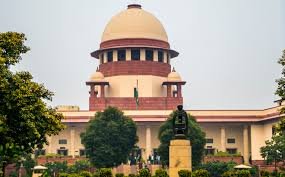
NEW DELHI, Feb 26, 2026 – In a blistering hearing that shook New Delhi’s legal corridors, the Supreme Court of India on Thursday took suo motu cognizance of a controversial Class 8 NCERT Social Science textbook chapter accusing the judiciary of corruption. Chief Justice Surya Kant led the charge, vowing “heads must roll” and branding the content a “deep-rooted conspiracy” aimed at defaming India’s temple of justice.
A “Gunshot” to Judicial Integrity
The flashpoint: the chapter “The Role of the Judiciary in Our Society,” which allegedly portrayed corruption as rampant in courts. “They fired a gunshot, and the judiciary is bleeding today,” CJI Kant thundered, his metaphor underscoring the wound to institutional honor. “This is a very calculated move,” he added, rejecting Solicitor General Tushar Mehta’s attempts to downplay it as an “inadvertent” slip.
The court didn’t stop at words. It issued a sweeping ban on the textbook—banning sales in India and abroad, directing immediate seizure of all copies, and imposing a total prohibition on online sharing, even in parts. Notices flew to the Centre and NCERT, signaling a no-mercy probe.
READ: PM Modi First World Leader to Hit 100M Instagram Followers
Government’s Apology Rings Hollow
Mehta, representing NCERT, opened with an “unconditional apology” and tough promises: the two authors responsible would be “blacklisted from ever working with UGC or any ministry.” “We stand by the institution. No one will get away scot-free,” he assured.
But the CJI was scathing. He waved aside the pledge as “of very little consequence” and zeroed in on NCERT’s press statement, which vaguely termed the content “inappropriate textual material [that] inadvertently crept in.” “There is no word of apology in this,” Kant retorted, citing media reports.
Proving skepticism, the CJI revealed: “It’s available in the market… I got a copy from reliable sources.” Mehta countered that just 32 copies had entered circulation before withdrawal, but the damage was done.
STORY | SC bans NCERT book over chapter on judiciary corruption, orders copies’ seizure, digital takedown
The Supreme Court on Thursday imposed a blanket ban on class 8 NCERT book carrying a chapter on corruption in the judiciary, and ordered a seizure of all physical copies,… pic.twitter.com/G2X9zLVpHC
— Press Trust of India (@PTI_News) February 26, 2026
Content Under Fire: Pendency and Delayed Justice
The controversy extended beyond corruption claims. Mehta flagged plans to excise references to judicial pendency and the maxim “justice delayed is justice denied.” “We can’t teach that justice is routinely denied in India,” he argued, defending the overhaul.
This comes amid NCERT’s pledge for a 2026-27 rewrite: deleting all corruption mentions, ditching critical phrases, and infusing “inspirational” narratives on the judiciary’s democratic guardianship. Legal experts will vet the new version for accuracy and respect.
Backdrop: Rising Tensions Over Education Content
Wednesday’s prelude set the tone. The court voiced “grave concern,” noting High Court judges were “perturbed.” Government sources told NDTV corruption references “should not have been written”—they’ll be swapped for uplifting tales of constitutional valor.
Critics see echoes of broader battles over “rationalized” textbooks under the National Education Policy, where history and civics have faced scrutiny for ideological tweaks. Is this a salvo in that war, or a genuine error? The bench smells conspiracy.
With the academic year underway, NCERT faces logistical nightmares: digital bans, global halts, and a rushed revision. Mehta promised swift action, but the CJI’s mantra—”We won’t close this case”—hints at prolonged scrutiny.
As India grapples with judicial backlog (over 50 million cases pending), this episode spotlights tensions between education, accountability, and institutional pride. For students, it means a quick pivot from critique to celebration in civics class. For the judiciary, it’s a red line fiercely defended.