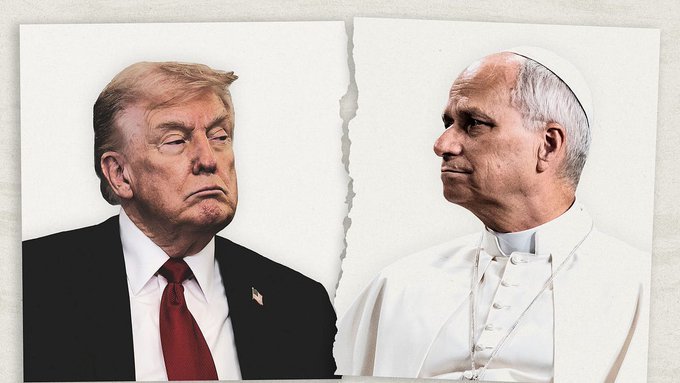
Reports of a tense meeting between U.S. defense officials and the Vatican’s ambassador have triggered global debate, after claims emerged that Washington warned the Church to align with its geopolitical stance—allegations that remain unconfirmed by both sides.
BY PC Bureau
April 9, 2026 — A fresh diplomatic controversy has erupted after reports claimed that the U.S. Department of Defense summoned the Vatican’s ambassador and delivered a stark warning regarding the Church’s stance on ongoing geopolitical tensions, including the Iran war.
According to accounts circulating in diplomatic and media circles, senior Pentagon officials allegedly told the Holy See’s representative that the United States possesses the military capability to act unilaterally if necessary, and urged the Catholic Church to align itself more closely with Washington’s position. The reported remarks have not yet been officially confirmed by either the Pentagon or the Vatican.
Reporter: There is reporting that Pentagon officials brought in Cardinal Christophe Pierre and told him the American military can do whatever they want and the church should get on its side
Vance: I don’t know who Cardinal Christophe Pierre Is pic.twitter.com/78bHiqbrTA
— Acyn (@Acyn) April 8, 2026
The situation has drawn particular attention due to references allegedly made during the meeting to the Avignon Papacy—a period widely viewed by historians as a time when political power exerted undue influence over the Catholic Church. The invocation of this historical episode has raised concerns among observers about the symbolic implications of such rhetoric.
NEW: A stunning new report claims that the Pentagon summoned Pope Leo XIV’s top American diplomat and threatened him after the U.S.-born pontiff gave his January state-of-the-world address.
Leo used the address to denounce a world ruled by “a diplomacy based on force” and “zeal…
— Christopher Hale (@ChristopherHale) April 8, 2026
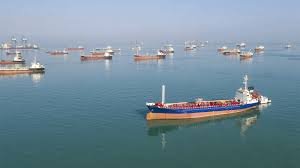
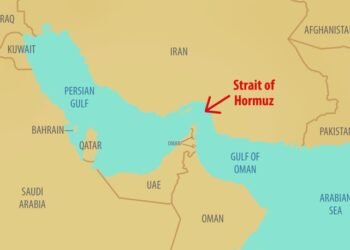
READ: Iran Halts Hormuz Traffic After Israeli Strikes in Lebanon
Diplomatic analysts warn that even unverified reports of this nature could strain relations between Washington and the Holy See, which traditionally maintains a neutral and moral voice in international affairs. The Vatican, headquartered in Vatican City, has often played a mediating role in global conflicts and has historically resisted overt political alignment with major powers.
While there has been no indication of any military threat toward the Vatican, the tone attributed to the meeting has sparked debate about the limits of diplomatic pressure and the role of religious institutions in geopolitical disputes. Experts note that the Holy See’s influence lies primarily in moral authority rather than military or economic power, making any perceived coercion particularly sensitive.
U.S. defense officials have so far declined to comment on the reports, and the Vatican has not issued a formal statement. It remains unclear whether the claims reflect an actual exchange or are the result of misinterpretation or misinformation.
The episode underscores growing tensions at the intersection of religion and geopolitics, with many observers calling for restraint and clarity from all parties involved to prevent further escalation.