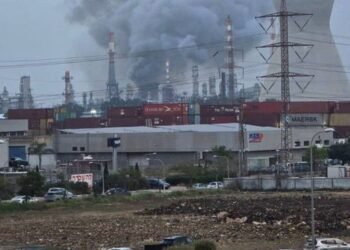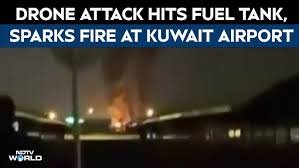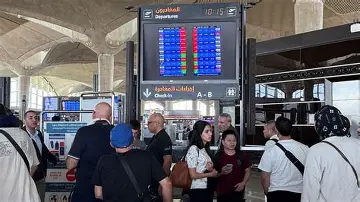
Key regional airports, including Dubai International and Hamad International, have curtailed operations following Iranian retaliatory strikes. Airlines have suspended services, rerouted long-haul flights and launched limited repatriation missions as security concerns intensify.
BY PC Bureau
March 2, 2026: The global travel and tourism industry is facing its most severe disruption since the pandemic as the escalating US-Israeli military campaign against Iran expands into a broader regional conflict. The widening hostilities have upended air travel, stranded tens of thousands of passengers, driven up fuel costs and put billions of dollars in tourism revenue at risk across the Middle East and beyond.
As of March 4, 2026, major Gulf aviation hubs — including Dubai International Airport in Dubai, Zayed International Airport in Abu Dhabi, and Hamad International Airport in Doha — remain severely restricted or partially closed following Iranian retaliatory drone and missile strikes that began over the weekend. Airspace across Iran, Iraq, Israel, Jordan, Qatar, Bahrain, Kuwait, the United Arab Emirates and Saudi Arabia has been either fully or partially shut at various points due to security threats.
According to flight tracking data from Cirium and Flightradar24, more than 21,300 flights have been cancelled globally so far since the escalation intensified, with over 12,000 scrapped in the first few days alone. The cancellations span not only the Middle East but also long-haul international routes linking Europe, Asia and North America, as airlines reroute aircraft to avoid conflict zones.
The ongoing conflict in the #MiddleEast is wreaking havoc for the global #religioustourism sector as airstrikes, the closure of airspace, and overall uncertainty make pilgrims rethink their travel plans. #TDMExclusiveshttps://t.co/KkbrWvbJoB pic.twitter.com/myDvfVSeaI
— Travel Daily Media – TDM (@TravelDailyHQ) March 4, 2026
READ: Iran Launches Drone Attack on US Consulate in Dubai
READ: Tankers Pile on; Strait of Hormuz Gridlock Halts 86% of Global Oil Traffic
Major carriers including Emirates, Qatar Airways, Etihad Airways, Flydubai, British Airways, Air France and Lufthansa have suspended or sharply reduced services to affected destinations, with many extending cancellations through at least March 6 or 7. Limited repatriation and cargo flights are operating under special clearances as governments scramble to evacuate citizens.
The chaos has left tens of thousands stranded — tourists, business travelers, expatriates and religious pilgrims alike. In Dubai and Doha, eyewitnesses described passengers sheltering in hotels as missile interceptions lit up the night sky. Social media footage showed fires near high-profile locations, including luxury resorts on Palm Jumeirah, further denting the Gulf’s image as a stable global transit and tourism hub.
The US State Department has issued urgent travel advisories urging American citizens to depart more than a dozen Middle Eastern countries if commercial options are available. Non-essential US government personnel have been ordered to leave several nations, including the UAE and Saudi Arabia, with diplomatic missions suspending routine services. Australia and several European governments have issued similar warnings, cautioning that airspace closures could occur with little notice.
Beyond the immediate aviation crisis, the economic fallout is spreading rapidly. Oil prices have surged sharply — rising as much as 13% in early trading — pushing jet fuel costs higher and squeezing airline margins already strained by mass cancellations. Global airline stocks have fallen amid concerns about uninsured war-related losses and prolonged operational disruptions.
Tourism-dependent economies in the Gulf face particular strain. Dubai and Abu Dhabi, which have invested heavily in positioning themselves as global hubs for business, leisure and major events, are reporting falling hotel occupancy rates, waves of cancellations and weaker forward bookings. Luxury hotels and long-haul travel segments have been hit hardest as international arrivals decline.
The disruption has also forced airlines to reroute Asia-Europe and other long-haul services over longer paths, increasing flight times and ticket prices. Cruise operators have altered or suspended regional itineraries, while cargo operations face delays and soaring insurance premiums.
Industry analysts describe the situation as the most significant shock to global aviation since COVID-19. Should hostilities continue for weeks, the Middle East could lose billions in tourism revenue, potentially undermining years of economic diversification efforts.
While some governments are attempting to establish limited “safe air corridors” and a handful of airlines are cautiously resuming restricted operations, uncertainty remains high. With US officials signaling that military operations could continue for an extended period, the global travel sector is bracing for sustained volatility in one of the world’s most critical aviation corridors.