Oil prices retreated from recent highs above $110 to $ 96 as traders scaled back fears of immediate supply disruption through the Strait of Hormuz.BY PC Bureau
March 23, 2026:
Brent crude prices plunged on Monday, dropping more than 10 per cent in highly volatile trading after US President Donald Trump announced a temporary halt to planned military strikes on Iran’s power plants and energy infrastructure, citing what he called “very good and productive conversations” with Tehran.
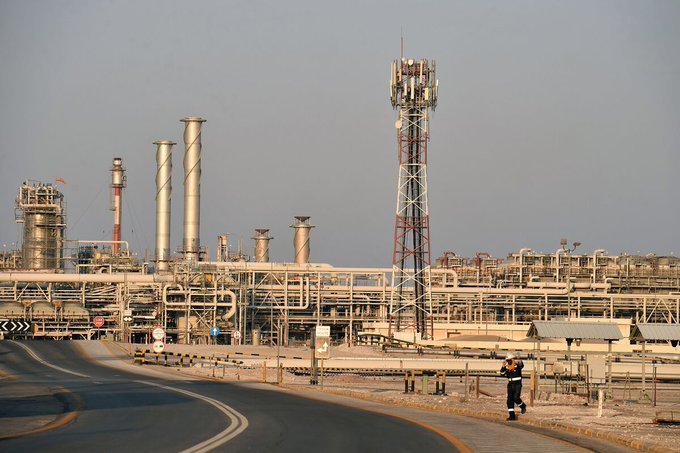
The global oil benchmark traded in a wide range through the session, with prices falling as low as the mid-$90s per barrel after recently surging above $110 and, in some reports, briefly touching levels near $119. The sharp retreat reflected a sudden easing of immediate fears that the conflict could trigger fresh disruptions to energy supplies moving through the Strait of Hormuz, one of the world’s most critical oil transit routes.
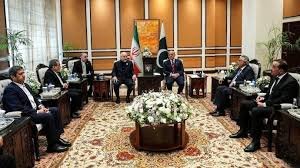
The sell-off followed Trump’s statement that Washington would postpone any strikes on Iranian power plants and energy sites for five days to allow talks to continue. Describing the recent exchanges as “in-depth, detailed and constructive,” Trump said he had instructed the Department of Defense to delay military action while discussions remained underway.
He made clear, however, that the pause was conditional. According to Trump, the suspension of strikes would remain in place only if the ongoing contacts produced meaningful progress toward what he described as a broader resolution of hostilities in the Middle East.
Oil prices fell by more than 13% after Trump said he would order the military to postpone any strikes against Iranian power plants and energy infrastructure.
🔴 LIVE updates: https://t.co/gZPhHf1ozX pic.twitter.com/dag3sgcE0v
— Al Jazeera English (@AJEnglish) March 23, 2026
READ: End of Iran War? Trump Says US-Iran Talks Underway, Delays Strikes For Five Days
The development marked a dramatic shift in market sentiment after days of escalating tension that had driven oil sharply higher. Earlier, fears of a widening US-Iran confrontation, coupled with threats to shipping through the Strait of Hormuz, had pushed Brent to some of its highest levels in months as traders priced in the risk of major supply disruption.
The conflict, now in its fourth week, has already rattled global energy markets, with repeated warnings of attacks on critical infrastructure and renewed concerns over maritime security in the Gulf. Trump’s announcement offered the first significant sign of possible de-escalation, prompting traders to unwind part of the war-risk premium that had built into crude prices.
Analysts said the sharp fall in oil was driven by relief that immediate strikes on Iranian energy infrastructure had been put on hold. Even so, market sentiment remains fragile, with investors aware that any collapse in diplomacy could send prices climbing again just as quickly.
Some financial institutions have already revised their near-term outlooks upward in response to the conflict, warning that prices may remain elevated as long as the geopolitical threat persists. While the temporary pause has reduced the immediate risk of escalation, uncertainty over Iran’s response, the future of the talks, and the security of the Strait of Hormuz continues to cast a long shadow over the market.
Broader financial markets also reacted to the development, with the prospect of a pause in hostilities helping support risk sentiment in some regions. Still, traders remain cautious, noting that the underlying crisis has not been resolved and that the current relief could prove short-lived.
For now, the five-day window has offered oil markets a brief moment of calm. But with no full details yet released about the US-Iran contacts, and no public confirmation from Tehran on the nature of the talks, the next phase of diplomacy will be watched closely. Any sign that negotiations are faltering could quickly bring volatility roaring back into global energy markets.