IRGC-linked media outlets echoed the government’s hardline message, saying no negotiations are taking place and warning that the strait remains closed to “aggressors.”
BY PC Bureau
March 23, 2026 — Iran’s Foreign Ministry has firmly rejected U.S. President Donald Trump’s claim that negotiations are underway between Washington and Tehran, as the U.S.-Israeli conflict with Iran enters its fourth week and tensions intensify around the Strait of Hormuz.
In a sharply worded statement, the ministry said: “We deny what U.S. President Donald Trump said regarding negotiations taking place between the United States of America and the Islamic Republic of Iran.” The remarks, cited by CBS News and echoed in reports carried by the BBC’s U.S. partner, underscored Tehran’s hardline position: “The Islamic Republic of Iran adheres to its position rejecting any type of negotiations before achieving Iran’s goals from the war.”
The statement came just hours after Trump announced a five-day postponement of planned U.S. strikes on Iranian power plants and energy facilities, saying there had been “very good and productive conversations” with Iranian officials over the previous two days. Trump has repeatedly suggested that back-channel or indirect talks are advancing and has described them as intensive efforts toward a “complete and total resolution” of the conflict.
READ: Oil Prices Sink by 14 % As Trump Cites US-Iran Talks
READ: End of Iran War? Trump Says US-Iran Talks Underway, Delays Strikes For Five Days
Iranian officials, however, have consistently rejected those claims, insisting that no such dialogue—direct or indirect—is taking place.
Iran’s Student News Network (SNN), which is affiliated with the Basij Student Organization under the Islamic Revolutionary Guard Corps (IRGC), cited an unnamed “informed source” in the Foreign Ministry as denying any negotiations while also declaring the Strait of Hormuz “closed to aggressors.”
Similar messaging appeared across other IRGC-linked media outlets. Fars News Agency reported that there had been “no direct or indirect contact with Trump” and claimed the U.S. president had “backed down.” Tasnim News Agency also stated bluntly that “no negotiations” were underway. All three reports relied on anonymous sources, in keeping with the Iranian establishment’s frequent use of aligned media channels to signal official positions.
The exchange comes amid mounting military pressure. The conflict, which began with large-scale U.S.-Israeli airstrikes in late February after nuclear diplomacy collapsed, has seen Iran largely shut the Strait of Hormuz, a critical artery for global oil and LNG shipments.
There were no negotiations between the US and Iran, — Iranian media, citing a government source
Meanwhile, the Iranian embassy in Kabul stated that Trump refused to attack energy infrastructure after a “strong” warning from Iran
“Trump and the United States have retreated again pic.twitter.com/bMXUkc4h62
— Chay Bowes (@BowesChay) March 23, 2026
Last weekend, Trump issued a 48-hour ultimatum demanding that Tehran fully reopen the strait or face the “obliteration” of its energy infrastructure, including power plants. He later extended that deadline, citing what he described as productive contacts. Iran, for its part, has threatened retaliation, including possible attacks on regional infrastructure if U.S. strikes go ahead.
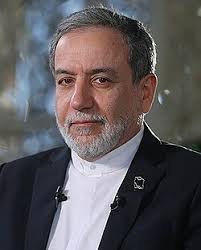
Tehran’s public refusal to acknowledge any talks appears aimed at projecting strength amid reports of significant losses from continuing U.S. and Israeli operations. Foreign Minister Abbas Araghchi and other Iranian officials have accused Washington of destroying earlier diplomatic openings by launching attacks during previous rounds of engagement, and they have dismissed any suggestion of current negotiations as either false or unacceptable.
With global oil markets still volatile and U.S. allies weighing their role in securing the strait, the conflicting narratives underscore the profound mistrust driving the crisis. Trump continues to cast U.S. pressure as diplomacy backed by force, while Iran insists it will not negotiate until its own war aims—including an end to strikes and meaningful concessions—are met.
The situation remains highly fluid, with the risk of further escalation growing if the extended deadline passes without a breakthrough.