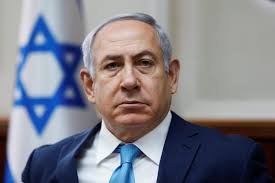
Israel’s opposition has sharply criticised Prime Minister Benjamin Netanyahu, calling the Iran ceasefire a “historic failure” that failed to secure the country’s key strategic goals.
BY PC Bureau
April 8, 2026 — Israel’s opposition leaders have launched a fierce political attack on Prime Minister Benjamin Netanyahu, accusing him of presiding over what they describe as a “historic” diplomatic failure following the U.S.-brokered ceasefire with Iran.
The criticism came after Israel backed a two-week truce announced by U.S. President Donald Trump, pausing strikes on Iran while broader negotiations are expected to unfold. The agreement, however, has triggered backlash within Israel, with opposition figures arguing that the country’s core strategic objectives were not secured.
Leading the charge, opposition leader Yair Lapid described the outcome as “one of the gravest diplomatic disasters” in Israel’s history. In a strongly worded statement, Lapid said Israel had effectively been sidelined during critical decision-making processes that directly impact its national security.
“Israel wasn’t even at the table when decisions were made concerning the core of our national security,” Lapid said, accusing Netanyahu of failing to translate military gains into diplomatic leverage.
‘Failure on Every Front’
Opposition leaders argued that while the Israeli military had carried out its operations effectively, the political leadership failed to secure meaningful outcomes. Lapid accused Netanyahu of falling short on both strategic and diplomatic fronts, stating that none of Israel’s stated war goals had been achieved through the ceasefire arrangement.
Critics say the agreement does little to address Israel’s long-standing concerns over Iran’s nuclear ambitions, missile capabilities, and regional influence. They also warned that the pause in fighting could allow Iran to regroup without making substantive concessions.
READ: Iran Says It Forced “Criminal” US to Accept Uranium Enrichment, Sanctions Lift
Ceasefire Sparks Political Storm
The ceasefire, which Israel has agreed to support conditionally, requires Iran to reopen the Strait of Hormuz and halt attacks. However, Israeli officials clarified that the truce does not extend to operations against Hezbollah in Lebanon, where fighting is expected to continue.
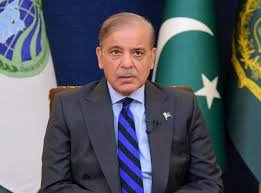
Despite this, opposition figures argue that the broader strategic picture reflects a setback. They contend that Israel’s exclusion from direct negotiations—reportedly facilitated through Pakistani mediation—signals a weakening of its diplomatic standing.
Long-Term Damage Feared
Lapid warned that the consequences of what he termed Netanyahu’s “arrogance and lack of strategic planning” could take years to repair. Other opposition voices echoed similar concerns, suggesting that Israel’s deterrence posture may have been undermined.
The criticism comes at a sensitive moment, with much of the Israeli public focused on security concerns amid ongoing regional tensions. While the government has emphasized coordination with Washington and the importance of the temporary pause, political divisions appear to be deepening.
As the ceasefire holds and negotiations loom, Netanyahu faces mounting pressure at home—not just over security outcomes, but over Israel’s place in shaping them.