Oli’s detentions, ordered a day after Balendra Shah took office, signal a sharp turn toward accountability for Gen Z uprising after months of political instability.
BY PC Bureau
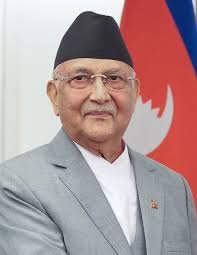
March 28, 2026: Less than 24 hours after a new government took charge in Kathmandu, Nepal’s political landscape shifted dramatically with the arrest of former Prime Minister KP Sharma Oli in connection with last year’s deadly youth-led protests.
Police detained Oli from his residence in Bhaktapur early Saturday, alongside his former Home Minister Ramesh Lekhak. Authorities said both men will face legal proceedings tied to their alleged role in the state’s response to the unrest.
Kathmandu Valley police spokesperson Om Adhikari confirmed the arrests, stating that due process would now follow. The move comes just a day after Balendra Shah—the rapper-turned-politician widely known as Balen—was sworn in as prime minister.
Former Nepal PM KP Sharma Oli Arrested Over ‘Gen Z’ Protest Crackdown Case. pic.twitter.com/vdR0nvOCMH
— ICT Frame (@ictframe) March 28, 2026
Soon after the arrests, newly appointed Home Minister Sudan Gurung framed the action as a test of the government’s commitment to accountability. In a public statement, he said the detentions marked “the beginning of justice,” adding that no individual, regardless of position, stands above the law.
Oli, however, dismissed the charges as politically motivated, telling reporters he would challenge them in court.
The case stems from the violent anti-corruption protests of September 8–9 last year, when more than 70 people—including at least 19 young demonstrators—were killed. What began as outrage over a brief social media ban quickly escalated into a nationwide uprising fueled by economic distress and public anger at political elites. Government buildings and parliamentary offices were torched, ultimately forcing the collapse of Oli’s administration.
READ: US Fires 850 Tomahawks at Iran, Stockpile Concerns Rise
In the turbulent aftermath, Sushila Karki briefly emerged from retirement to lead an interim government, a period widely seen as stabilizing Nepal’s fragile political order until elections could be held.
Following the electoral victory of Balendra Shah, a high-level commission was tasked with investigating the violence. Its findings, adopted in the new government’s first Cabinet meeting, stopped short of confirming direct orders to open fire. However, it concluded that senior officials failed to act to prevent or control the shootings, describing their conduct as negligent and directly contributing to civilian deaths—including minors.
The panel recommended prison terms of up to 10 years for those deemed responsible, naming both Oli and Lekhak, along with several senior officials such as former police chief Chandra Kuber Khapung.
With arrests now underway, Nepal appears to be entering a consequential phase—one that could redefine political accountability in a country still navigating the fault lines of protest, power, and public trust.