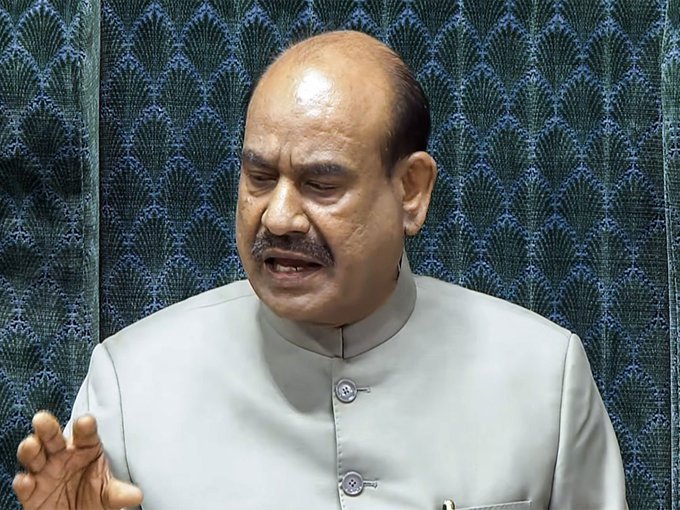
Opposition MPs accused Birla of suppressing dissent, favoring the ruling BJP, and violating parliamentary conventions.
BY PC Bureau
New Delhi, March 11, 2026 – In a dramatic two-day showdown in Parliament, the no-confidence motion against Lok Sabha Speaker Om Birla was defeated by a voice vote on Wednesday, allowing him to continue in office. Moved by the Opposition and backed by 118 MPs, the motion accused Birla of partisan conduct, suppressing dissent, and undermining democratic norms.
Despite sharp speeches and heated exchanges, the ruling National Democratic Alliance (NDA) leveraged its numerical advantage to defeat the motion, marking only the fourth such attempt in India’s history to remove a Lok Sabha Speaker.
The motion, tabled under Article 94 of the Constitution, emerged amid tensions in the February 2026 Budget Session. Opposition parties, led by Congress and allies in the INDIA bloc, alleged that Birla had repeatedly favored the ruling BJP, including interrupting Rahul Gandhi, suspending MPs, and making controversial remarks against women parliamentarians. Key grievances included:
Disallowing Opposition leaders to complete speeches on critical issues like the Motion of Thanks to the President’s Address.
Suspending eight Congress MPs for raising public concerns while allegedly granting unchecked speaking time to BJP members.
Allegedly defaming women MPs by accusing them of plotting against Prime Minister Narendra Modi.
Failing to appoint a Deputy Speaker for nearly seven years, breaching parliamentary convention.
The motion was formally moved by Mohammad Jawed (Congress MP) on March 10. Procedural wrangling ensued, with AIMIM leader Asaduddin Owaisi questioning the impartiality of Jagdambika Pal, a BJP MP on the panel of chairpersons appointed by Birla. Parliamentary Affairs Minister Kiren Rijiju defended the arrangement, citing constitutional norms.
Historical Context
Similar motions against Speakers G.V. Mavalankar (1954), Hukum Singh (1966), and Balram Jakhar (1987) also failed, highlighting the rarity of successful Speaker removal. With the NDA holding roughly 335 seats against the Opposition’s 230, defeat was widely anticipated, though the debate underscored growing polarization in Parliament.
Key Opposition Speeches
Gaurav Gogoi (Congress Deputy Leader, Lok Sabha) opened the debate:
“The Leader of the Opposition, Rahul Gandhi, was repeatedly interrupted during his speech. Even the microphone is being weaponized in this House. Opposition voices have been silenced on matters like the India-U.S. trade deal and the Epstein files, while the treasury bench speaks freely.”
READ: Iran Vows Strikes on US, Israeli Banks, Tech Companies
Mahua Moitra (Trinamool Congress MP) accused Birla of throttling democracy:
“The Speaker has perfected the art of turning off microphones of Opposition MPs. Over 100 Opposition MPs have been suspended in the 17th Lok Sabha, while the Deputy Speaker’s post remains vacant. This is criminal complicity in undermining democracy.”
Asaduddin Owaisi (AIMIM Leader) raised procedural concerns:
“How can someone appointed by the Speaker preside over a motion against him? This is a conflict of interest. Bias erodes public trust in Parliament.”
Rahul Gandhi, though not a signatory, delivered a pointed intervention:
“I have been repeatedly stopped from speaking despite raising issues of public importance, including the Epstein controversy. This motion is not a personal attack on Om Birla ji, but a sad necessity to protect the institution.”
#WATCH | Union Home Minister #AmitShah criticises the Opposition over the No-Confidence Motion against Om Birla. He says the Constitution gives the Speaker the role of a neutral mediator and alleges that questioning the Speaker’s position undermines the strong democratic… pic.twitter.com/LGFYiTuiHH
— The Federal (@TheFederal_News) March 11, 2026
Government Defense
Union Home Minister Amit Shah defended Birla vigorously:
“The Speaker serves the House, not a party. The Constitution places the Speaker above politics. Under Om Birla, Zero Hour has been extended by five hours, 202 MPs raised questions, all 78 women MPs spoke, and 14 regional languages have been promoted.”
Shah criticized the Opposition’s conduct:
“The Congress spoke for over 175 hours in the past—who stopped you then? This House follows rules, not propaganda. The motion is an unfortunate attack on democracy after four decades.”
BJP MP Anurag Thakur also highlighted alleged links between the Rajiv Gandhi Foundation and Chinese entities, contrasting it with the dignified opposition of Atal Bihari Vajpayee.
Motion Defeat and Aftermath
On March 11, the motion was put to a voice vote. The Opposition’s “Ayes” were overwhelmed by the treasury’s resounding “Noes.” No division vote was requested, confirming Birla’s continuation as Speaker.
Opposition leaders vowed to continue holding the government accountable, while the BJP hailed the outcome as a victory for parliamentary decorum. Analysts note that the episode highlights deepening legislative polarization, which could shape debates in future sessions amid ongoing geopolitical tensions, including the West Asia crisis.