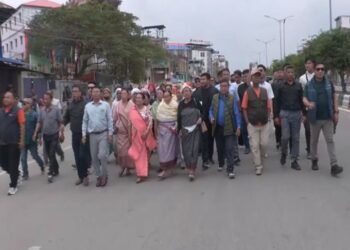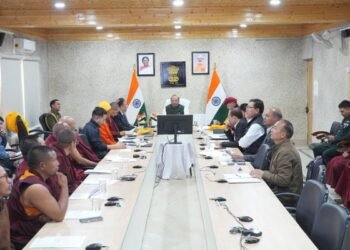
CoTU’s sudden retreat highlights the fragility and internal pressures facing Kuki-Zo leaders amid political and administrative influences.
By Navin Upadhyay
March 15, 2026: The Committee on Tribal Unity (CoTU) on Sunday withdrew its 48-hour ultimatum to the Manipur government, which demanded the arrest of those responsible for the killing of two Kuki-Zo villagers in Kamjong district. In a move seen as a face-saving measure, the tribal body latched on to assurances—already provided two days ago by the state government—that the case would be handed over to the National Investigation Agency (NIA) for a thorough probe.
Issued on March 12 by CoTU’s Sadar Hills Kangpokpi unit, the ultimatum demanded immediate arrest of those responsible for the killings that ignited anger across the Kuki-Zo community in Manipur’s hill districts. The police have not arrested in this case so far.
Observers note that CoTU’s sudden retreat reflects mounting pressures from multiple quarters, including political and civil actors seeking to undermine the Kuki-Zo movement. Critics say this is part of a worrying pattern: the tribal body often issues hardline demands but struggles to enforce them, raising questions about its effectiveness and autonomy.
Incidentally, Deputy Chief Minister Nmecha Kipgen, a Kuki-Zo leader fully aligned with the Manipur government, comes from Kangpokpi, the same district that serves as CoTU’s stronghold. The Deputy CM has not spoeka word denouncing the killing of her people.
Nemcha Kipgen’s husband, S. T. Thangboi Kipgen, is the chairman of the Kuki National Front (KNF), part of the broader United People’s Front (UPF) umbrella in Manipur’s insurgency landscape, operating under a Suspension of Operations agreement with the Centre. He is believed to command hundreds of armed men, and it is said that no protest in Kangpokpi could take place without his approval. Unsurprisingly, there was not even symbolic action in Kangpokpi over his wife’s decision to join the Manipur government, even as other parts of the hills witnessed massive uprisings against her move.
CoTU’s decision to withdraw its ultimatum over assurances of an NIA probe makes a mockery of the hardline stance it had taken just two days ago. Incidentally, Chief Minister Yumnam Khemchand Singh, addressing the Assembly on Thursday, had already announced that the NIA would take over the investigation and that the families of the deceased would receive ex-gratia compensation.
Responding to a Calling Attention Motion by Congress leader Keisham Meghachandra, Singh said, “The government remains committed to ensuring justice, maintaining law and order, and upholding the rule of law in the state. Ex-gratia will be provided to the bereaved families as per government norms.”
READ: Mamata Rains Poll Sops Hours Before Election Code Kicks In
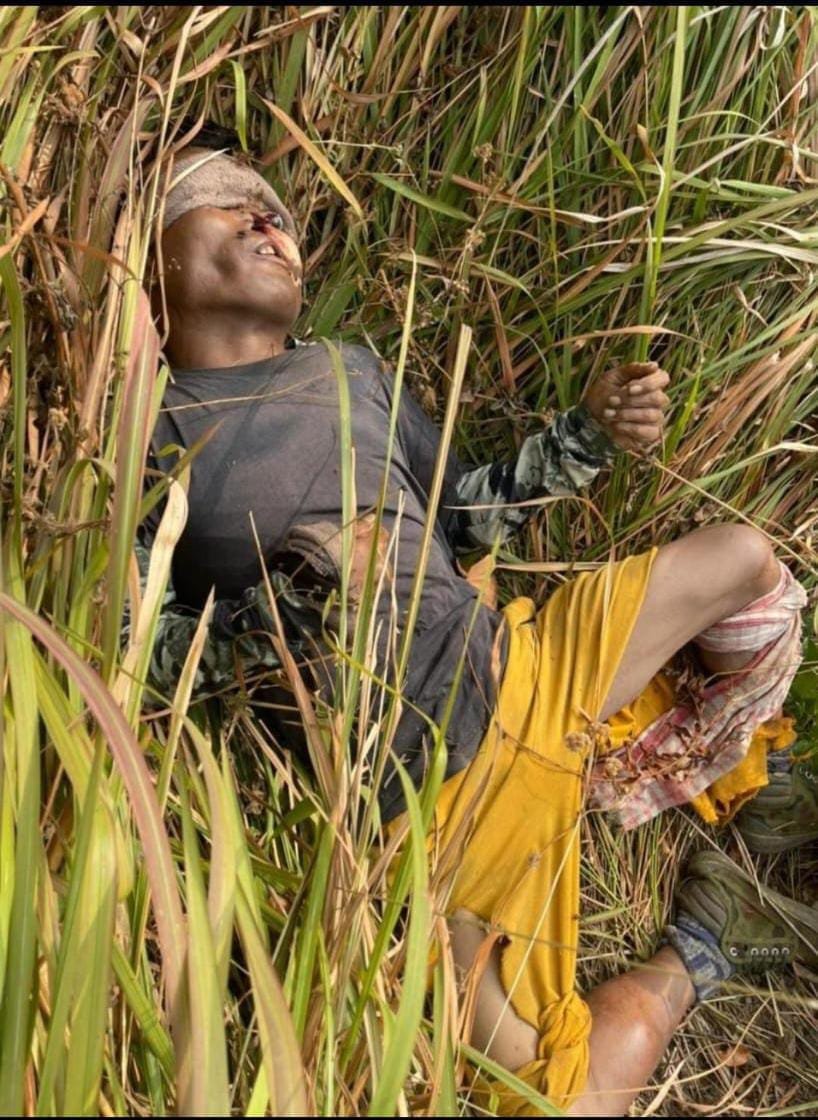
CoTU had issued the ultimatum after Thangin Baite of Thawai Kuki village and Thangboimang Khongsai of Shankai village were allegedly shot dead by armed Tangkhul militants linked to the NSCN-IM. Another individual was injured in the attack and is undergoing treatment at a local hospital. According to the organisation, the victims were tending to their paddy fields when they went missing overnight, and their bodies were later recovered by villagers.
The tribal body accused Tangkhul militants of instigating disputes over land in Ukhrul district and promoting an ethnocentric narrative against Kuki-Zo communities, claiming past incidents, including the razing of Litan Sareikhong village, showed a deliberate pattern of intimidation. CoTU also cited failed peace efforts led by Deputy Chief Minister Dr. Losii Dikho and civil society groups from both communities, alleging that the Tangkhul side did not comply with dialogue processes.
While CoTU initially warned that village volunteers might take “pre-emptive measures” to protect their land and people, the body’s sudden backtracking exposes its vulnerability to political and external pressures. Analysts say the move undermines the organisation’s credibility, suggesting that threats of action may now carry little weight in safeguarding the Kuki-Zo population.